Tree Care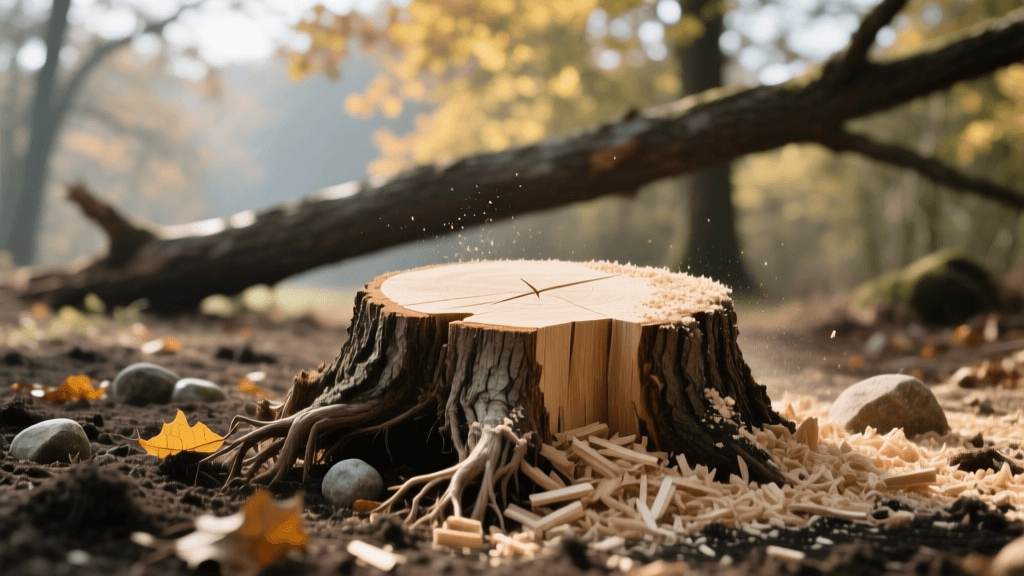
Tree Removal and Stump Grinding Costs: A Budgeting Guide
The True Cost of Tree Removal: A Homeowner's Budgeting Guide
When a hazardous, dead, or structurally compromised tree threatens your home, removal transitions from a landscaping luxury to an urgent necessity. However, many homeowners are caught off guard by the final invoice. Tree removal is a highly specialized, dangerous profession that requires heavy machinery, advanced rigging techniques, and comprehensive insurance. Understanding the variables that dictate pricing is the first step toward creating a realistic tree care budget and avoiding predatory contractors.
According to the International Society of Arboriculture (ISA), hiring a certified professional is not just a matter of quality; it is a matter of safety and liability. In this comprehensive cost and budgeting guide, we will break down the exact figures you can expect to pay for tree felling, stump grinding, and debris hauling, while providing actionable strategies to save money without compromising safety.
Average Tree Removal Costs by Size and Species
The most significant factor influencing your tree removal quote is the physical size of the tree. Arborists calculate risk, time, and equipment needs based on height and trunk diameter. Dense hardwoods like Oak and Hickory take longer to dismantle and dull chainsaw chains faster than softer woods like Pine or Spruce, which can slightly elevate the cost.
| Tree Classification | Average Height | Trunk Diameter | Estimated Cost Range |
|---|---|---|---|
| Small Trees | Under 30 feet | Under 12 inches | $150 - $500 |
| Medium Trees | 30 to 60 feet | 12 to 24 inches | $500 - $1,200 |
| Large Trees | 60 to 80 feet | 24 to 36 inches | $1,200 - $2,500 |
| Extra-Large Trees | 80+ feet | 36+ inches | $2,500 - $4,500+ |
For example, removing a 40-foot Loblolly Pine in an open backyard will likely sit at the lower end of the medium tree spectrum, around $600. Conversely, an 80-foot White Oak situated near a roofline requires meticulous sectional rigging, pushing the price well past $3,000.
Stump Grinding vs. Complete Stump Removal
Many homeowners mistakenly assume that tree removal includes the stump. In reality, the trunk is typically cut flush to the ground, and stump management is an additional line item. You have two primary options: stump grinding or complete stump excavation.
Stump Grinding Costs
Stump grinding is the most common and cost-effective method. A professional uses a machine with a rotating carbide-tipped cutting wheel to chip the wood into mulch. Pricing is generally calculated by the diameter of the stump.
- Average Cost: $2 to $4 per inch of diameter.
- Minimum Call-Out Fee: Most companies charge a minimum of $100 to $150 just to bring the grinder on-site.
- Example: A 24-inch oak stump will cost between $75 and $120 to grind, assuming it is part of a larger removal job.
When renting a grinder, be aware that most hardware store rentals are only equipped to handle softwoods and small stumps under 12 inches. Hitting a single buried rock or a heavy taproot with a rental machine can result in severe damage, for which you will be held financially responsible, potentially wiping out any theoretical savings.
Complete Stump Excavation
If you plan to replant in the exact same spot or pour a concrete foundation, grinding is insufficient because it leaves the deep taproot and lateral root system intact. Complete excavation requires a backhoe or excavator and manual root severing. Expect to pay $300 to $600+ for this labor-intensive process, depending on soil composition and root spread.
Hidden Fees and Site-Specific Variables
To budget accurately, you must account for the environment surrounding the tree. A quote can easily double if the arborist faces logistical nightmares.
- Proximity to Power Lines: If branches are entangled in utility lines, the crew must coordinate with the local power company to de-energize the lines. This requires specialized line-clearance certification and adds 15% to 25% to the total bill.
- Crane Requirements: Trees that cannot be safely dropped or rigged in sections due to nearby structures may require a mobile crane. Crane rentals cost between $500 and $1,000 per day, plus operator fees.
- Debris Hauling and Chipping: Some budget quotes leave the wood in your driveway as firewood length logs. If you want the site left completely clean, ensure haul away and wood chipping is explicitly written in the contract. Hauling fees typically add $150 to $400.
- Permitting: Many municipalities require a tree removal permit, especially for heritage species or trees located in the public right-of-way. Permit fees range from $50 to $200.
Tree Health Assessments: Is Removal Truly Necessary?
Before committing thousands of dollars to removal, ensure the tree actually requires it. A certified arborist can perform a resistograph test or sonic tomography to measure internal decay. Sometimes, a tree that looks dead on the outside has a solid core and can be saved with targeted pruning, cabling, or bracing. Cabling and bracing systems (such as the Cobra dynamic cabling system) cost between $300 and $600 per system installed—a fraction of the cost of a massive oak removal and subsequent stump grinding. Furthermore, preserving a mature shade tree can increase your property value by up to 15%, according to the Arbor Day Foundation. Always pay for a standalone tree risk assessment (typically $150 to $300) before signing a removal contract.
Seasonal Timing: When to Schedule for Maximum Savings
Tree care companies experience massive demand fluctuations. During late spring and summer, emergency storm damage and aesthetic pruning requests flood their schedules. To stretch your landscaping budget, schedule non-emergency removals during the dormant season.
Winter is the optimal time for tree removal. Not only are arborists more likely to offer off-season discounts of 10% to 20%, but the frozen ground also protects your lawn from heavy equipment damage, and the lack of foliage makes the tree lighter and faster to dismantle. — Urban Forestry Best Practices Guide.
Target the window between late November and early March for the most competitive bids.
DIY vs. Professional Removal: A Cost-Benefit Analysis
With the rising cost of labor, some homeowners consider renting equipment and felling the tree themselves. Let us look at the hard costs of a DIY approach for a medium-sized tree.
- Equipment Rental: A professional-grade chainsaw (e.g., Stihl MS 500i) rental is roughly $75 per day.
- Stump Grinder Rental: A walk-behind Ditch Witch stump grinder from a local hardware store costs about $150 to $200 per day.
- Safety Gear: Kevlar chaps, climbing helmet with face shield, and ear protection ($100).
- Disposal: Renting a yard waste dumpster ($300).
While the raw DIY cost might hover around $600, the hidden costs are astronomical. The University of Florida IFAS Extension strongly warns against DIY tree removal, noting that falling trees and improper chainsaw use are leading causes of severe homeowner injury and catastrophic property damage. If a DIY felling goes wrong and crushes your neighbor's fence or roof, your standard homeowner's insurance may deny the claim due to negligence. Paying a fully insured, ISA Certified Arborist is a non-negotiable investment in risk mitigation.
Furthermore, the physical toll of manually hauling heavy, water-logged oak logs to the curb cannot be overstated. A single cord of green oak can weigh over 4,000 pounds. Without a tractor and grapple attachment, you are looking at days of back-breaking labor.
How to Vet Contractors and Secure Accurate Quotes
Never accept the first estimate. Invite at least three local tree service companies to evaluate the site. When reviewing bids, use this checklist to ensure you are comparing apples to apples:
- Verify their ISA (International Society of Arboriculture) Certification via the online credential lookup tool.
- Request a Certificate of Insurance (COI) proving both Workers' Compensation and Commercial Liability coverage. Call the insurer directly to verify the policy is active.
- Ensure the contract specifies the exact cleanup level (e.g., all wood chipped and hauled, stump ground to 6 inches below grade).
- Check for ANSI A300 safety standards compliance in their proposed work plan.
By understanding the mechanics of tree removal pricing, leveraging seasonal discounts, and strictly vetting your contractors, you can successfully budget for this major landscape project while keeping your property and your wallet secure.