Tree Care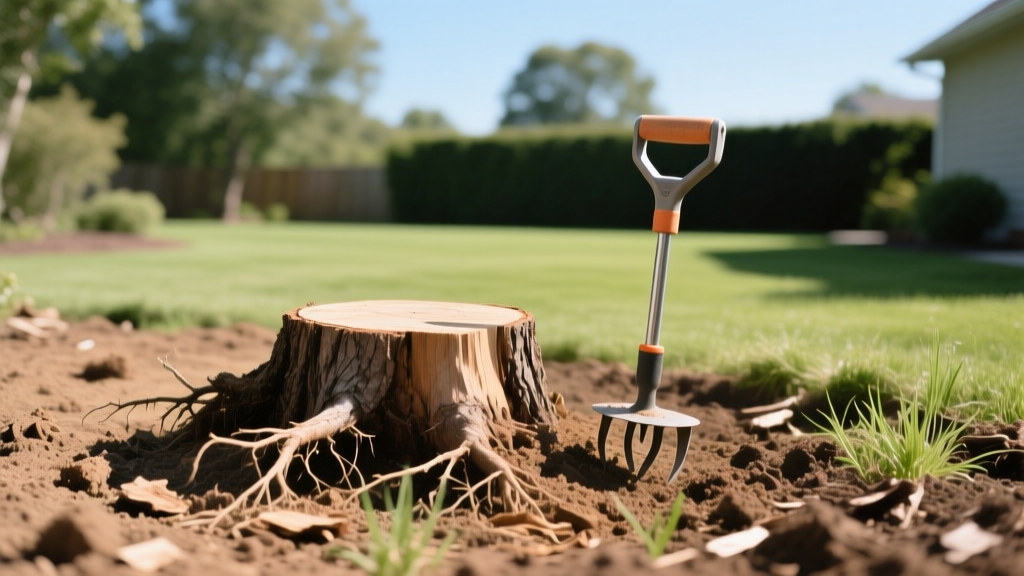
2026 Tree Removal & Stump Grinding Costs Plus Core Aeration Tips
James MillerPublished
Understanding the Full Scope of Tree Removal in 2026
When homeowners request a tree removal cost estimate, they often focus solely on the visible task: felling the tree and hauling away the wood. However, as we navigate the landscaping and arboriculture industry in 2026, a comprehensive estimate must account for the hidden impacts on your lawn's underlying ecosystem. The heavy machinery required for modern tree extraction and stump grinding exerts immense pressure on your yard, leading to severe soil compaction. This is where the vital practice of core aeration enters the conversation. To truly restore your property, your budget must encompass not just the removal and stump grinding, but the subsequent core aeration required to rehabilitate the suffocated soil.
According to the International Society of Arboriculture (ISA), hiring a certified professional ensures that the job is done safely, but it is equally important to understand how their equipment will affect the surrounding turf. In this guide, we will break down the exact cost factors for tree removal and stump grinding in 2026, and explain why integrating a core aeration strategy is the ultimate key to post-removal lawn recovery.
Key Factors Influencing Tree Removal Cost Estimates
In 2026, the average cost to remove a tree ranges widely based on several critical variables. Arborists utilize advanced diagnostic drones and 3D canopy modeling to provide precise quotes, but the physical realities of the job dictate the final price. Here are the primary factors that will influence your estimate:
- Tree Height and Canopy Volume: Taller trees with wide canopies require more time, specialized rigging, and additional crew members to dismantle safely. The sheer volume of biomass that must be chipped and hauled away directly impacts labor and disposal fees.
- Trunk Diameter and Wood Density: Hardwoods like oak and hickory are significantly denser than softwoods like pine. Dense wood dulls chainsaw chains faster, takes longer to cut, and is heavier to haul, increasing the overall cost.
- Location and Accessibility: If a tree is located in a fenced backyard where standard chippers and cranes cannot reach, arborists must use miniature tracked equipment or manually carry debris to the street. This manual labor premium can increase costs by 20% to 40%.
- Tree Health and Structural Integrity: Dead, diseased, or storm-damaged trees are unpredictable. Because they cannot be safely climbed, arborists must rely on expensive mobile cranes to dismantle them piece by piece, driving up the estimate.
2026 Average Tree Removal Costs by Size
To help you budget accurately, here is a breakdown of average tree removal costs in 2026, assuming standard accessibility and healthy wood conditions:
| Tree Size Category | Height Range | Estimated 2026 Cost |
|---|---|---|
| Small Trees | Under 30 feet | $250 - $600 |
| Medium Trees | 30 to 60 feet | $700 - $1,500 |
| Large Trees | 60 to 80 feet | $1,600 - $2,800 |
| Extra-Large Trees | 80+ feet | $3,000 - $5,500+ |
Stump Grinding: The Hidden Cost Factor
Many homeowners are surprised to learn that standard tree removal estimates rarely include stump grinding. Leaving a stump in your yard is not a viable long-term option; it attracts carpenter ants, termites, and fungal diseases that can spread to nearby healthy plants or even your home's foundation. Stump grinding utilizes a high-torque machine with a rotating carbide-tipped cutting wheel to chew the stump and surface roots into small woodchips.
In 2026, stump grinding costs are typically calculated by the inch of diameter, averaging between $4 and $7 per inch. However, minimum service fees usually apply, ranging from $150 to $300, to cover the cost of transporting the heavy grinder to your property. If the tree had a massive, sprawling root system, or if you request the complete removal and hauling of the resulting woodchips, expect to pay a premium. Leaving the woodchips on-site is cheaper, but as we will discuss, it introduces new challenges for your soil chemistry.
The Core Aeration Perspective: Mitigating Machinery Compaction
Here is the crucial intersection of tree care and lawn health that most removal estimates ignore. The heavy machinery used in 2026 for tree removal and stump grinding—including tracked stump grinders, wood chippers, and mobile cranes—exerts thousands of pounds of pressure per square inch on your yard. This weight crushes the macropores in your soil, resulting in severe compaction. Compacted soil prevents oxygen, water, and vital nutrients from reaching the root zones of your remaining turf and landscaping.
Furthermore, the stump grinding process leaves behind a massive mound of fresh woodchips. As these woodchips begin to decompose, the microbes breaking them down consume vast amounts of soil nitrogen, effectively robbing your surrounding lawn of the nutrients it needs to survive. To combat both the physical compaction and the chemical imbalance, University of Minnesota Extension experts highly recommend mechanical core aeration as a mandatory rehabilitation step.
Core aeration involves using a specialized machine to pull thousands of 2-to-3-inch soil plugs from the ground. This process physically fractures the compacted soil layers created by the removal equipment, allowing the earth to breathe again. By leaving the extracted soil cores on the surface, you introduce beneficial soil microorganisms that help accelerate the breakdown of the leftover stump grinding woodchips, mitigating the nitrogen-robbing effect and restoring a healthy biological balance to the zone where the tree once stood.
Step-by-Step Soil Recovery and Core Aeration Plan
To ensure your lawn bounces back after a major tree extraction, follow this actionable, step-by-step recovery plan tailored for the 2026 landscaping season:
- Clear Excess Grindings: While some woodchips can be left to decompose, a thick layer of fresh stump grindings will smother your grass and create a nitrogen deficit. Rake away the bulk of the woodchips and use them for garden beds or compost, leaving only a thin dusting over the bare soil.
- Amend the Soil Profile: The hole left by the stump grinding process is essentially a pit of loose, nutrient-poor wood dust. Fill the depression with a high-quality, nitrogen-rich topsoil and compost blend. Tamp it down lightly, but do not over-compact it.
- Perform Deep Core Aeration: Rent a modern, walk-behind core aerator or hire a local lawn care service. Run the aerator over the entire area affected by the tree removal machinery, making at least two passes in perpendicular directions to ensure maximum soil fracturing. Pay special attention to the pathways where the heavy equipment entered and exited the yard.
- Overseed and Fertilize: Immediately after core aeration, broadcast a shade-to-sun transition grass seed blend over the bare stump zone and the compacted equipment tracks. Follow up with a starter fertilizer high in phosphorus to encourage rapid root development, and a nitrogen-rich fertilizer to counteract the decomposition of any remaining wood debris.
- Water Deeply and Consistently: The newly exposed soil channels created by the core aerator need moisture to stay open and facilitate seed germination. Water the area lightly twice a day for the first 14 days, then transition to deep, infrequent soakings to encourage deep root growth.
Budgeting for the Complete 2026 Restoration Project
When planning your project, do not look at the tree removal estimate in a vacuum. A complete, professional-grade restoration that protects your lawn's long-term health requires a holistic budget. For a medium-sized tree (30 to 60 feet), you should anticipate spending between $700 and $1,500 for the felling and hauling. Add $250 to $500 for professional stump grinding and debris cleanup. Finally, budget an additional $150 to $300 for professional core aeration, topsoil amendment, and overseeding of the affected zone.
By understanding the true cost factors of tree removal and stump grinding, and by proactively integrating core aeration into your post-removal strategy, you ensure that the legacy of the removed tree is not a patch of dead, compacted dirt, but a vibrant, healthy, and fully restored lawn ready for the 2026 growing season and beyond.
