Tree Care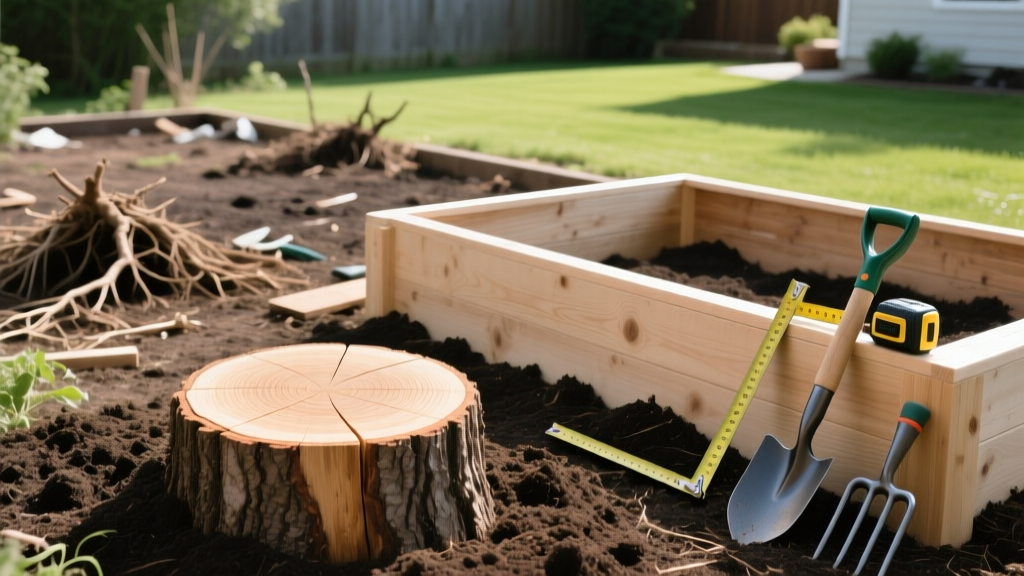
2026 Tree Removal & Stump Grinding Costs For Raised Beds
Lisa ThompsonPublished
The Intersection of Tree Care and Raised Bed Gardening
Building a thriving raised bed vegetable garden requires ample sunlight, nutrient-rich soil, and freedom from aggressive root competition. For many homeowners in 2026, the ideal location for a new garden plot is currently occupied by an aging, diseased, or poorly placed tree. While trees are vital for landscape ecology, they can severely limit the productivity of a vegetable garden. Transitioning a shaded, root-bound area of your yard into a sun-drenched haven for tomatoes, peppers, and leafy greens requires professional tree removal and comprehensive stump grinding. Understanding the cost factors associated with this site preparation is essential for budgeting your 2026 gardening projects.
Why Existing Trees Threaten Raised Bed Vegetable Yields
Before discussing the financial investment of tree removal, it is crucial to understand why leaving a tree near your planned raised beds is detrimental to your harvest. According to The Old Farmer's Almanac, most fruiting vegetables require a minimum of six to eight hours of direct, unfiltered sunlight daily. A mature tree canopy will not only block this vital solar energy but also intercept rainfall, leaving the soil beneath it unnaturally dry.
Furthermore, tree root systems are notoriously expansive. The Arbor Day Foundation notes that a tree's root system can extend two to three times beyond its drip line. If you build a raised bed over or near these roots, the tree will act as a massive sponge, wicking away water and stealing expensive organic fertilizers meant for your vegetables. Additionally, certain species like Black Walnut produce juglone, a natural herbicide that causes allelopathy, instantly wilting and killing sensitive crops like tomatoes and nightshades. Removing the tree and grinding the stump is the only permanent solution to reclaim this space for edible landscaping.
2026 Tree Removal Cost Factors for Garden Site Prep
In 2026, the national average for professional tree removal has shifted due to updated insurance requirements for certified arborists, the rising cost of biofuel for heavy machinery, and increased demand for residential landscape transformations. When requesting an estimate for clearing space for your raised beds, arborists will evaluate several critical variables:
- Tree Size and Species: Hardwoods like Oak and Hickory are denser and dull chainsaw chains faster, increasing labor time. Fast-growing softwoods like Pine are easier to cut but often have wider, more chaotic canopies that require careful rigging.
- Accessibility and Equipment: If your backyard gate is narrower than 36 inches, arborists cannot use standard wood chippers or mini-skid steers. Manual labor or specialized compact equipment will increase the 2026 estimate by 15% to 25%.
- Proximity to Structures: Trees leaning over your home, fencing, or existing garden sheds require meticulous sectional dismantling using ropes and rigging, rather than simple felling, which drastically increases the hourly labor cost.
- Debris Hauling: For raised bed prep, you may want to keep the woodchips for garden pathways. Opting to keep the chips on-site can reduce your total removal bill by eliminating hauling and dump fees.
| Tree Classification | Height Range | Trunk Diameter | 2026 Estimated Cost |
|---|---|---|---|
| Small (e.g., Dogwood, Redbud) | Under 30 ft | Under 12 in | $350 - $700 |
| Medium (e.g., Maple, Birch) | 30 - 60 ft | 12 - 24 in | $750 - $1,400 |
| Large (e.g., Oak, Ash) | 60 - 80 ft | 24 - 36 in | $1,500 - $2,800 |
| Extra Large (e.g., Sycamore, Pine) | 80+ ft | 36+ in | $3,000 - $5,500+ |
Stump Grinding: The Non-Negotiable Step for Raised Beds
Many homeowners attempt to save money by opting for a "flush cut" tree removal, leaving the stump at ground level. For raised bed vegetable gardening, this is a catastrophic mistake. A remaining stump will continue to sprout aggressive suckers that will invade your garden beds. Furthermore, you cannot lay down the essential woven geotextile weed barrier or cardboard base layers over a protruding stump, which will cause your raised beds to sit unevenly and compromise their structural integrity.
Stump grinding uses a high-torque machine with a carbide-tipped cutting wheel to pulverize the stump and surface roots into mulch. In 2026, eco-friendly electric stump grinders are becoming more common in urban areas, though gas-powered models remain the standard for heavy-duty jobs. The cost of stump grinding is primarily dictated by the diameter of the stump and the depth of the grind required.
- Standard Grind (6 to 8 inches deep): This is usually sufficient if you plan to place a raised bed directly over the site, as the wooden frame and soil depth will sit above the grind zone.
- Deep Grind (12 to 24 inches deep): Necessary if you plan to plant deep-rooted crops directly in the ground adjacent to the bed, or if you need to remove the entire root flare to lay a perfectly flat patio or stone base beneath your raised beds.
| Stump Diameter | Standard Grind (6-8") | Deep Grind (12-18") | Root Flare Excavation |
|---|---|---|---|
| 12 - 24 inches | $150 - $250 | $300 - $450 | +$200 |
| 24 - 36 inches | $250 - $400 | $450 - $650 | +$350 |
| 36 - 48 inches | $400 - $600 | $700 - $950 | +$500 |
| 48+ inches | $650+ | $1,000+ | Custom Quote |
Post-Removal Soil Management and Nitrogen Tie-Up
Once the tree is down and the stump is ground, you are left with a massive crater filled with woodchips and sawdust. This presents a unique challenge for the vegetable gardener. As this fresh, carbon-heavy wood material begins to decompose in the soil, soil microbes consume massive amounts of nitrogen to fuel the breakdown process. This phenomenon, known as "nitrogen tie-up," will starve your heavy-feeding vegetables like corn, squash, and cabbage if left unaddressed.
To prepare the site for your 2026 raised beds, you must first rake out as much of the raw woodchip material from the topsoil as possible. Repurpose these chips for your garden pathways or compost them in a separate bin for future use. Next, lay down a heavy-duty, permeable landscape fabric over the entire area. This fabric will suppress any remaining tree suckers while allowing water to drain into the subsoil. Finally, when filling your new raised beds, incorporate a slow-release, high-nitrogen organic amendment like blood meal, alfalfa meal, or feather meal into your soil mix to counteract any residual nitrogen depletion occurring in the subsoil beneath the beds.
Final Thoughts on Clearing Space for Your 2026 Harvest
Transforming a shaded, tree-dominated corner of your yard into a productive raised bed vegetable garden is one of the most rewarding landscape upgrades you can undertake. While the upfront costs of professional tree removal and stump grinding in 2026 may seem steep, the long-term benefits of unrestricted sunlight, zero root competition, and total control over your soil ecology will yield massive dividends in the form of bountiful, organic harvests. Always hire a licensed and insured arborist, clearly communicate your ultimate goal of installing raised beds, and ensure the stump is ground deeply enough to provide a perfectly level foundation for your garden infrastructure.