Tree Care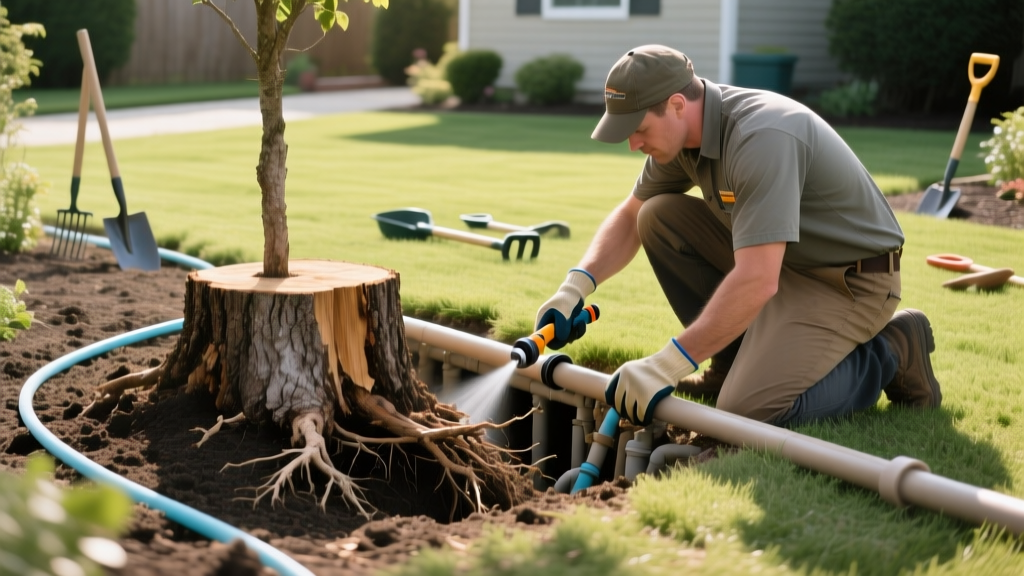
2026 Tree Removal & Stump Grinding Costs Near Irrigation Lines
Robert HayesPublished
Navigating Tree Removal and Stump Grinding Near Irrigation Systems in 2026
Removing a mature tree from your landscape is a significant undertaking, but the complexity multiplies exponentially when that tree is entangled with an underground sprinkler and irrigation system. As we move through 2026, the integration of smart irrigation networks, shallow drip lines, and complex zoning valves means that arborists and homeowners must approach tree removal with surgical precision. The heavy machinery used for felling trees and the aggressive cutter wheels used for stump grinding pose a severe threat to fragile PVC and polyethylene pipes buried just inches below the soil surface.
At LawnsGuide, we understand that a standard tree removal estimate rarely accounts for the hidden labyrinth of water lines beneath your lawn. This comprehensive guide breaks down the exact cost factors for tree removal and stump grinding in 2026, specifically analyzing how the presence of an irrigation system impacts your final bill, the protective measures required, and the potential costs of rerouting damaged zones.
Standard Tree Removal Cost Factors for 2026
Before factoring in your sprinkler system, it is essential to understand the baseline costs of tree removal this year. In 2026, the national average for removing a medium-sized tree (30 to 60 feet tall) ranges from $850 to $1,400. However, this baseline fluctuates based on several core variables:
- Tree Height and Diameter: Larger canopies require more labor, specialized rigging, and potentially a crane. Trees over 80 feet can easily exceed $2,500 for basic felling.
- Wood Density and Species: Hardwoods like oak and hickory are heavier and dull chainsaw chains faster, often resulting in a 10% to 15% surcharge compared to softer pines or spruces.
- Accessibility and Crane Requirements: If a bucket truck or crane cannot access the drop zone due to fences or structures, manual rigging is required, driving up labor costs.
- Debris Hauling and Chipping: Standard estimates usually include chipping brush, but hauling away the main trunk logs or grinding the stump are typically line-item add-ons.
The Sprinkler System Complication: Roots vs. Pipes
The primary conflict between tree removal and irrigation lies in the shared real estate of the topsoil. According to the EPA WaterSense irrigation guidelines, modern efficient irrigation systems are designed to target the active root zones of plants. Unfortunately, this means your sprinkler heads, drip lines, and lateral PVC pipes are often routed directly through or immediately adjacent to the root mass of the tree you are trying to remove.
Stump Grinding Depth vs. Irrigation Line Depth
Stump grinding is the most hazardous phase for your irrigation system. A standard stump grinder's cutter wheel is designed to pulverize wood to a depth of 8 to 12 inches below grade. In many residential lawns installed over the last two decades, lateral sprinkler lines and low-voltage wiring for smart controllers (like the Rachio 4 or Hunter Hydrawise systems popular in 2026) are buried at depths of only 6 to 10 inches. When the arborist lowers the grinding wheel into the root flare, the carbide teeth can easily catch and shatter shallow PVC pipes, sever mainlines, or destroy expensive flow sensors.
2026 Cost Estimates: Standard vs. Irrigation-Adjacent Removal
When an arborist identifies that your tree is intertwined with an irrigation system, the estimate will shift from a standard removal to a 'technical removal.' Below is a comparative breakdown of the additional costs you can expect in 2026 when protecting or working around sprinkler systems.
| Service / Factor | Standard 2026 Cost | Irrigation-Adjacent 2026 Cost | Reason for Surcharge |
|---|---|---|---|
| Stump Grinding (Per Inch of Diameter) | $4.00 - $5.50 | $8.00 - $12.00 | Requires hand-digging to expose pipes before grinding. |
| Utility & Pipe Locating Fee | $0 (Standard 811 Call) | $150 - $300 | Private irrigation lines require private GPR scanning. |
| Root Pruning (Near Valves) | Included | $75 - $125 per hour | Manual excavation to protect valve manifolds. |
| Zone Rerouting (If lines are in drop zone) | N/A | $15 - $25 per linear foot | Temporarily moving lines to allow crane/truck access. |
Protecting Your Underground Lines During Stump Grinding
Industry guidelines from organizations like the Irrigation Association emphasize that private irrigation lines are not covered by standard municipal utility locating services (like the 811 'Call Before You Dig' hotline). Therefore, the responsibility of mapping and protecting these lines falls on the homeowner and the hired tree care service. Here are the standard protection protocols utilized by top-tier arborists in 2026:
Ground-Penetrating Radar (GPR) and Hydro-Excavation
For high-value landscapes, tree care companies now employ portable Ground-Penetrating Radar (GPR) to map the exact trajectory of PVC pipes and valve boxes hidden beneath the root flare. In cases where a mainline runs directly under a massive taproot, technicians may use hydro-excavation (pressurized water vacuums) to safely blow away the soil and expose the pipe without risking a shovel strike. While this adds $200 to $400 to the initial estimate, it prevents catastrophic water main breaks that could wash out your lawn and cost thousands in emergency plumbing repairs.
The 'Hand-Dig' Stump Grinding Protocol
If a pipe is confirmed to be within 18 inches of the stump, the arborist will abandon the mechanical grinder for the perimeter. Instead, they will use hand tools—such as mattocks, trenching shovels, and reciprocating saws—to manually sever the roots and excavate the stump down to the pipe level. This painstaking process is why the per-inch cost of stump grinding doubles or triples in these specific zones.
Post-Removal: Rerouting and Repairing Sprinkler Zones
Sometimes, despite best efforts, the removal of a massive root ball inherently destroys the irrigation layout. When a tree is uprooted rather than ground down, the heaving of the soil can snap brittle PVC joints or stretch polyethylene tubing past its breaking point. Furthermore, the sudden absence of the tree's canopy changes the sun exposure and water requirements of that specific zone, necessitating an irrigation redesign.
According to landscape management data from the University of Minnesota Extension, removing large shade trees fundamentally alters the microclimate of your yard, often requiring the transition of that zone from low-volume drip irrigation to high-volume rotary nozzles to support new sun-loving sod or garden beds. In 2026, expect to pay an irrigation specialist between $65 and $95 per hour to cap off severed lines, install new smart-sensor sprinkler heads, and reprogram your central Wi-Fi controller to adjust for the new hydro-zone.
Final Checklist for Homeowners Hiring an Arborist
To ensure your tree removal and stump grinding project proceeds smoothly without turning your lawn into a swamp, follow this essential 2026 checklist before signing a contract:
- Provide an As-Built Irrigation Map: Hand the arborist any original blueprints or maps of your sprinkler system. If you do not have them, flag every visible sprinkler head and valve box with high-visibility spray paint.
- Verify Insurance Coverage: Ensure the tree care company carries comprehensive liability insurance that specifically covers damage to private underground utilities and landscaping. Standard policies sometimes exclude 'underground infrastructure' unless explicitly stated.
- Request a Pre-Grind Line Locator: Insist on a physical walkthrough with the lead arborist to point out shallow drip lines and mainline trenches before the stump grinder is unloaded from the truck.
- Discuss the Backfill Material: After stump grinding, the resulting hole is filled with wood chips and dirt. Wood chips decompose and settle over time, which can create depressions that pool water and drown nearby sprinkler heads. Request that the final 4 inches of backfill be topped with compacted native topsoil to maintain proper grading and sprinkler clearance.
By understanding the intricate relationship between tree root systems and modern irrigation networks, you can accurately budget for your 2026 tree removal project. Protecting your underground infrastructure requires specialized labor and careful planning, but the investment ensures your landscape remains both safe and beautifully hydrated for years to come.
