Tree Care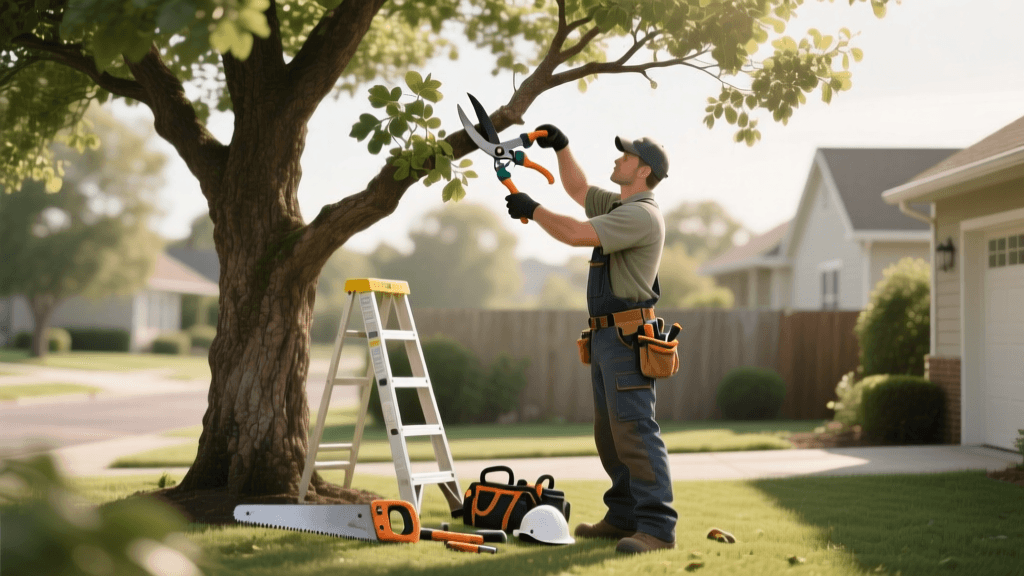
Tree Service Costs: Budgeting For Pruning And Removal
Understanding the True Cost of Tree Care
Maintaining the trees on your property is not just a matter of aesthetics; it is a critical component of home safety, landscape health, and long-term property value. However, when it comes to budgeting for professional tree care, many homeowners find themselves navigating a confusing web of estimates, hourly rates, and unexpected fees. Whether you are looking to routinely prune a mature oak, remove a storm-damaged pine, or schedule a comprehensive health assessment, understanding the financial landscape of arboriculture is essential. This comprehensive cost and budgeting guide will break down the average prices for essential tree services, highlight the variables that impact your final bill, and provide actionable strategies to ensure you get the best value without compromising on safety or quality.
Key Factors That Influence Tree Service Costs
Before requesting estimates, it is important to understand why two identical-looking trees might incur vastly different service costs. Professional arborists base their quotes on a combination of risk, labor, equipment, and time.
Tree Size and Species
The physical dimensions of your tree are the most significant cost drivers. A small ornamental tree under 30 feet tall requires minimal rigging and can often be pruned or removed using a standard ladder and chainsaw. Conversely, a 100-foot mature hardwood requires advanced climbing techniques, heavy-duty rigging ropes, and potentially a crane. Furthermore, the species matters. Dense hardwoods like hickory or oak are heavier and harder to cut, wearing down equipment faster and taking more time to process than softer woods like pine or poplar.
Location and Accessibility
A tree standing in an open field is significantly cheaper to service than one nestled between your home, a fence, and overhead power lines. Trees in confined spaces require meticulous, piece-by-piece dismantling (often called 'rigging' or 'technical removal') to prevent property damage. If a bucket truck or crane cannot access the backyard due to narrow gates or soft soil, the crew must manually haul heavy wood and debris, drastically increasing labor hours. Furthermore, proximity to utility lines requires coordination with local power companies and specialized insulated equipment, adding layers of logistical complexity and cost to the project.
Tree Health and Condition
Dead, dying, or diseased trees present severe safety hazards for the climbing arborist. Deadwood is unpredictable and can snap under a climber's weight, necessitating the use of aerial lifts or cranes rather than traditional climbing spikes. Fungal infections, internal decay, and root rot weaken the tree's structural integrity from the inside out. An arborist may need to perform a sonic tomography test or a resistograph drill test to assess the extent of the decay before determining the safest removal strategy. According to the International Society of Arboriculture (ISA), assessing tree health and structural integrity is a specialized skill, and mitigating the risks associated with compromised trees inherently raises the cost of the job.
Average Tree Pruning and Trimming Costs
Routine pruning is vital for promoting strong branch architecture, improving air circulation, and preventing disease. The cost of pruning generally scales with the tree's size and the complexity of the cut.
- Small Trees (Under 30 feet): $150 to $400
- Medium Trees (30 to 60 feet): $400 to $800
- Large Trees (Over 60 feet): $800 to $1,500+
Specialized pruning techniques will also alter your budget. A standard 'deadwooding' or 'crown cleaning' to remove hazardous dead branches is relatively inexpensive. However, 'crown reduction' or 'vista pruning,' which requires precise, calculated cuts to maintain the tree's structural integrity while achieving a specific aesthetic or clearance goal, requires a highly skilled certified arborist and commands a premium rate.
Tree Removal Costs: What to Expect
Tree removal is the most expensive arboricultural service due to the high liability, specialized equipment, and intense labor involved. Based on industry data, such as the comprehensive pricing outlines provided by HomeGuide's Tree Removal Cost Report, homeowners can expect the following national averages for standard removals:
- Small Tree Removal (Up to 30 ft): $250 to $700
- Medium Tree Removal (30 to 60 ft): $700 to $1,500
- Large Tree Removal (60 to 100+ ft): $1,500 to $3,500+
Emergency tree removal, such as when a tree has fallen on a roof or blocked a driveway during a storm, can increase these baseline costs by 50% to 100%. Emergency crews must work in hazardous conditions, often outside of standard business hours, and coordinate with insurance adjusters and local utility companies.
Stump Grinding and Root Management
Removing the tree is only half the battle; the remaining stump can be a tripping hazard, a magnet for wood-boring pests like termites, and an obstacle for future landscaping. Stump grinding is typically priced per inch of the stump's diameter, averaging $3 to $5 per inch. For a standard 24-inch stump, expect to pay between $100 and $300. If the stump is located near a retaining wall, underground irrigation lines, or utility meters, the arborist must use smaller, hand-guided stump grinders or manually excavate the root collar, which increases the time and labor required. If you require complete root excavation or the application of eco-friendly stump decay accelerants, budget an additional $150 to $400.
Tree Health Assessments and Preventative Treatments
Budgeting for tree care isn't solely about cutting wood; it's also about preserving the living organisms on your property. Deep root fertilization, soil aeration, and systemic pest treatments (such as emamectin benzoate for Emerald Ash Borer) typically cost between $100 and $400 per tree, depending on the trunk diameter and the specific chemicals required. According to the PennState Extension, proactive health assessments can identify stress indicators years before visible canopy decline occurs, saving homeowners thousands of dollars in emergency removals down the line.
Comprehensive Tree Care Cost Table
To help you plan your annual landscape maintenance budget, refer to the following breakdown of average tree care costs based on national industry averages.
| Service Type | Small Tree | Medium Tree | Large Tree |
|---|---|---|---|
| Routine Pruning | $150 - $400 | $400 - $800 | $800 - $1,500 |
| Hazardous Deadwooding | $200 - $500 | $500 - $900 | $900 - $1,800 |
| Complete Removal | $250 - $700 | $700 - $1,500 | $1,500 - $3,500 |
| Stump Grinding | $75 - $150 | $150 - $300 | $300 - $600 |
| Deep Root Fertilization | $50 - $100 | $100 - $200 | $200 - $400 |
| Cabling and Bracing | N/A | $300 - $600 | $600 - $1,200 |
Hidden Fees and How to Avoid Them
When comparing quotes from different tree service companies, the lowest bid is not always the best deal. Unscrupulous or uninsured operators may offer a cheap baseline estimate but tack on hidden fees later. Always ensure your written contract explicitly addresses the following potential extra costs:
Debris Hauling and Cleanup
Does the quote include hauling away all wood and brush, or will they leave a massive pile of 'firewood' and woodchips on your lawn? Specify 'full cleanup and haul away' in your contract to avoid unexpected dumping fees or the burden of disposing of green waste yourself.
Crane Rentals and Traffic Permits
If your tree requires a crane for safe dismantling, the rental fee (often $800 to $1,500 per day) should be included in the estimate. Additionally, if the crew needs to park heavy equipment on the street or close a public right-of-way, local municipalities may require traffic permits, which can cost anywhere from $50 to $250.
Wood Splitting and Stacking
Many homeowners choose to keep the felled tree for firewood. While the company may leave the logs for free, cutting them into manageable 16-inch rounds and splitting them is a separate, labor-intensive service that usually costs an additional $100 to $300 per cord.
Tips for Hiring a Certified Arborist on a Budget
Budgeting for tree care should never mean compromising on safety or professional standards. Hiring an uninsured 'tree guy' with a chainsaw and a pickup truck can result in catastrophic property damage or personal injury, leaving you entirely liable. To protect your investment and your wallet, follow these best practices:
- Verify ISA Certification: Always hire an arborist certified by the International Society of Arboriculture. You can verify credentials through the ISA's Find an Arborist tool. Certified professionals carry the proper liability insurance and workers' compensation, shielding you from financial ruin in the event of an accident.
- Schedule During the Off-Season: Tree service companies are inundated with requests in late spring and immediately following summer storms. By scheduling non-emergency pruning and removals in late winter or early spring, you can often negotiate a 10% to 20% discount.
- Bundle Your Services: If you have multiple trees that need attention, bundle them into a single project. Mobilizing a crew, setting up traffic cones, and transporting heavy equipment to your property represents a massive fixed cost for the company. Having them tackle three trees in one day is vastly more efficient, and they will usually pass those savings on to you.
- Ask About Woodchip Drop-offs: If you need mulch for your garden beds, ask the arborist if they can drop off a load of fresh woodchips while they are working in your neighborhood. Many companies will provide this for free to save themselves a trip to the municipal dumping site.
Conclusion
Proper tree care is a long-term investment in your property's safety, beauty, and ecological value. By understanding the variables that dictate pricing—from tree height and species to accessibility and health conditions—you can create a realistic budget and avoid the sticker shock of arboricultural services. Always prioritize hiring insured, ISA-certified professionals, demand detailed written estimates that account for debris removal and stump grinding, and take advantage of off-season scheduling to maximize your landscaping budget. With careful planning and proactive maintenance, you can keep your urban forest thriving without breaking the bank.