Tree Care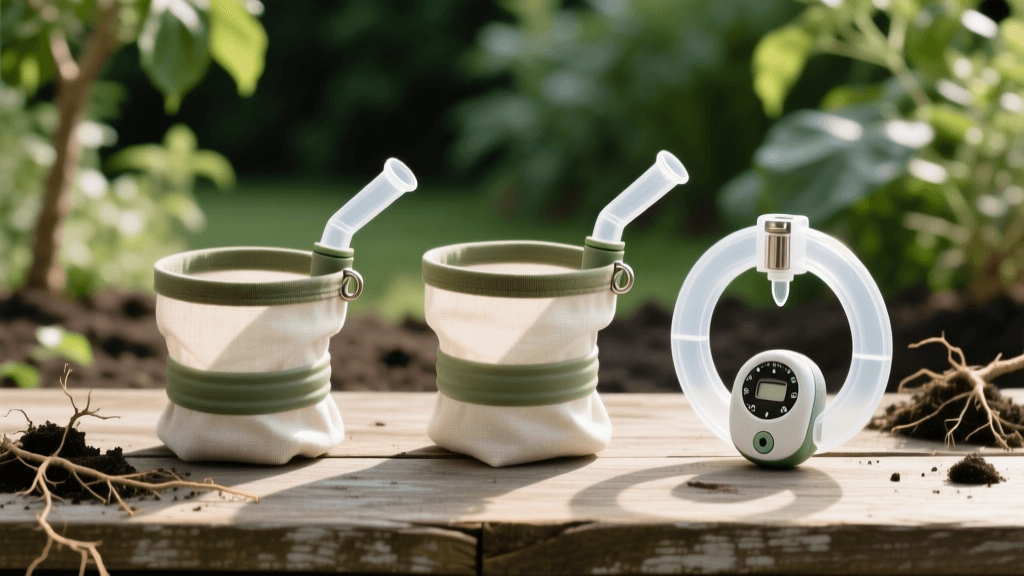
Top Tree Watering Bags And Rings Reviewed And Compared
The Critical Role of Deep Hydration in Tree Establishment
When you invest in a new shade tree, fruit-bearing sapling, or ornamental specimen, the first two years are the most critical for its survival. During this establishment phase, the tree must grow a robust root system capable of supporting its canopy. However, achieving the right soil moisture balance is a common struggle for homeowners. Watering with a standard garden hose often leads to surface runoff, shallow root growth, and wasted water. Conversely, forgetting to water during a summer dry spell can cause irreversible drought stress and transplant shock. This is where slow-release tree watering bags and rings become indispensable tools in your landscaping arsenal.
Why Choose Slow-Release Watering Systems?
Slow-release watering systems are designed to hold a large volume of water and release it gradually through micro-perforations at the base. According to the University of Florida IFAS Extension, newly planted trees require consistent, slow-release moisture directly over the root ball to encourage outward root growth without suffocating the soil. Slow-release bags mimic natural, prolonged rainfall, reducing water loss to evaporation and surface runoff while ensuring the water penetrates deeply into the root zone.
But with dozens of options on the market, how do you choose between a traditional wrap-around bag and a donut-shaped ring? In this comprehensive review, we compare the top-performing tree watering bags and rings of the year, analyzing their capacity, drip times, durability, and overall value.
Top Tree Watering Bags Reviewed
1. Treegater Original 20-Gallon Bag
The Treegater Original is widely considered the industry standard for municipal and residential tree watering. Designed to wrap around the trunk and zip securely, it holds 20 gallons of water and fits trees with a trunk caliper up to 4 inches.
- Capacity: 20 Gallons
- Average Drip Time: 5 to 9 hours
- Estimated Cost: $35.99
- Pros: Heavy-duty, UV-treated PVC material resists degradation from sunlight. The adjustable zipper allows for a snug fit on varying trunk sizes.
- Cons: The zipper can occasionally clog with dirt or debris if not maintained. Not suitable for multi-stemmed trees or trees with very low canopy branching.
2. Arbor Rain Tree Hydration System (22-Gallon)
The Arbor Rain system takes a slightly different approach by utilizing a dual-chamber bladder design. This prevents the bag from tipping over when empty and provides a wider base for water distribution over the root ball.
- Capacity: 22 Gallons
- Average Drip Time: 8 to 12 hours
- Estimated Cost: $42.00
- Pros: Features a large, easy-to-use fill valve that accommodates standard garden hoses without splashing. The wider footprint is excellent for trees planted in heavy clay soils where slow percolation is necessary.
- Cons: Slightly more expensive than competitors. The wider base requires more clearance around the trunk flare.
Top Tree Watering Rings Reviewed
1. TreeGater Jr. 15-Gallon Ring
For smaller trees, shrubs, or multi-stemmed specimens like Crape Myrtles and Birch, a traditional zip-around bag simply will not work. The TreeGater Jr. is a donut-shaped ring that sits flat on the soil surface around the base of the tree.
- Capacity: 15 Gallons
- Average Drip Time: 5 to 8 hours
- Estimated Cost: $32.00
- Pros: Perfect for trees with low-hanging branches or multiple trunks. The low-profile design makes it less visually obtrusive in manicured landscapes.
- Cons: Lower capacity means you may need to fill it twice a week during peak summer heat. The fill hole is smaller and requires a slower hose flow rate to prevent overflow.
2. DeWitt 15-Gallon Tree Watering Ring
DeWitt offers a budget-friendly alternative that performs remarkably well for the price point. It utilizes a similar toroidal (donut) design but is constructed from a slightly thinner, more flexible polyethylene blend.
- Capacity: 15 Gallons
- Average Drip Time: 4 to 6 hours
- Estimated Cost: $24.99
- Pros: Highly affordable, making it a great choice for homeowners planting multiple trees on a budget. Folds flat for easy winter storage.
- Cons: The thinner material is more susceptible to punctures from sharp mulch or pet claws. Drip time is faster, which may not be ideal for hard-packed clay soils.
Product Comparison Chart
| Product Name | Type | Capacity | Avg. Drip Time | Est. Cost | Best Use Case |
|---|---|---|---|---|---|
| Treegater Original | Wrap Bag | 20 Gal | 5-9 Hours | $35.99 | Standard single-trunk trees up to 4" caliper |
| Arbor Rain System | Wrap Bag | 22 Gal | 8-12 Hours | $42.00 | Clay soils requiring ultra-slow percolation |
| TreeGater Jr. | Donut Ring | 15 Gal | 5-8 Hours | $32.00 | Multi-stemmed trees and low-branching ornamentals |
| DeWitt Ring | Donut Ring | 15 Gal | 4-6 Hours | $24.99 | Budget-conscious buyers and sandy soils |
How to Choose Between a Bag and a Ring
The decision between a wrap-around bag and a donut ring primarily comes down to the physical architecture of your tree and the composition of your soil.
- Trunk Architecture: If your tree has a single, clear trunk with no branches below 4 feet, a wrap-around bag is the most efficient choice. It delivers water directly to the root flare while protecting the lower trunk from weed whackers. If your tree is multi-stemmed, clumping, or has a weeping canopy that touches the ground, you must use a ring.
- Soil Composition: Sandy soils drain rapidly. A ring with a faster drip time (like the DeWitt) works well here. Conversely, heavy clay soils hold water tightly and drain slowly. Using a fast-draining ring on clay can lead to pooling and root rot. In clay, opt for the Arbor Rain bag, which releases water over 12 hours, giving the dense soil time to absorb the moisture.
Actionable Best Practices and Maintenance
Purchasing the right product is only half the battle. Proper usage and maintenance will extend the life of your watering system and ensure your tree thrives.
The Golden Rule of Watering Volumes
A general rule of thumb endorsed by certified arborists is to provide 1.5 to 2 gallons of water per inch of trunk caliper (measured at knee height) per watering session. For a 2-inch caliper tree, a 20-gallon bag provides roughly 5 to 6 days' worth of necessary moisture during the growing season. During extreme heat waves (above 90°F), you should refill the bag every 3 to 4 days.
Preventing Algae and Mineral Buildup
Because these bags sit in the sun and hold standing water, algae and hard water mineral deposits will eventually clog the micro-perforations.
"To maintain optimal drip rates, flush your tree watering bags once a month with a solution of 1 part household bleach to 10 parts water. Let it sit for 15 minutes, then rinse thoroughly before placing it back on the tree," advises urban forestry maintenance guidelines.
Winterizing Your Equipment
Never leave tree watering bags on the tree during the winter. The trapped moisture can freeze, causing frost cracks on the tree's bark, and the trapped humidity invites fungal pathogens and overwintering pests like borers. In late autumn, empty the bags, wash them with mild soap, allow them to dry completely in the sun, and store them flat in a garage or shed.
Common Mistakes Homeowners Make
1. Using Liquid Fertilizer in the Bag: While some manufacturers claim you can add liquid root stimulators to the water, concentrated fertilizers can easily burn the delicate new root hairs and degrade the plastic lining of the bag. Apply fertilizers to the soil surface separately and let the bag's water wash it in naturally.
2. Burying the Drip Edges: When applying mulch around your newly planted tree, ensure you do not bury the bottom edges of the watering bag or ring. The mulch layer should be 2 to 3 inches deep, but it must be pulled back slightly to allow the micro-drip holes to sit directly on the soil surface. If buried under thick mulch or soil, the water will not be able to escape the bladder.
3. Leaving the Bag On Year-Round: Tree watering bags are establishment tools, not permanent fixtures. Once the tree is established (typically after 18 to 24 months), its roots will have expanded well beyond the drip line of the bag. At this point, transition to deep watering using a soaker hose or a slow-running garden hose placed at the outer edge of the tree's canopy drip line to encourage continued outward root expansion.
Final Verdict
For standard, single-trunk shade trees, the Treegater Original remains the most reliable and cost-effective choice, offering an excellent balance of durability and slow-release hydration. However, for homeowners dealing with multi-stemmed ornamentals or heavy clay soils, investing in the TreeGater Jr. Ring or the Arbor Rain System respectively will yield vastly superior results. By matching the tool to your specific tree architecture and soil type, you guarantee your new landscape investments survive their vulnerable first years and grow into towering, resilient assets for your property.