Tree Care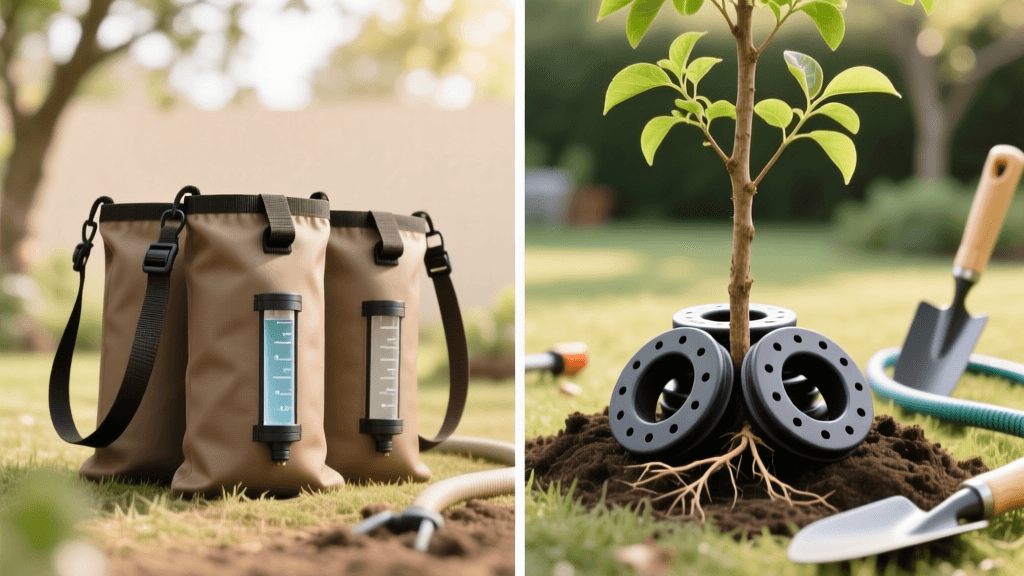
Tree Watering Bags vs Rings: Best Products For New Trees
The Challenge of Watering Newly Planted Trees
Planting a new tree is one of the most rewarding investments you can make in your landscape, but the first two years are critical for its survival. During this establishment period, the tree's root system is confined to the original root ball, making it highly susceptible to drought stress, transplant shock, and erratic watering schedules. Hand-watering with a hose often leads to surface runoff, where water flows away from the root zone before it can percolate deeply into the soil. This is where slow-release tree watering products come to the rescue. In this comprehensive product review and comparison, we will evaluate the two most popular categories of tree hydration tools: vertical tree watering bags and ground-level slow-release watering rings. We will break down specific product models, costs, capacities, and long-term maintenance requirements to help you choose the best tool for your landscape.
The Science of Deep Root Hydration
Before diving into product reviews, it is essential to understand why slow-release watering is superior to traditional methods. According to the University of Minnesota Extension, newly planted trees require consistent, deep watering to encourage roots to grow downward rather than laterally near the surface. Surface watering promotes shallow root systems, which are vulnerable to windthrow and summer heat. Slow-release watering bags and rings are engineered with micro-perforations that allow 15 to 20 gallons of water to weep gradually into the soil over a period of 5 to 9 hours. This mimics a slow, steady rainstorm, ensuring that water penetrates deep into the root ball and surrounding native soil without causing erosion or waterlogging. The Arbor Day Foundation heavily recommends these deep-soaking methods to minimize transplant shock and reduce the labor associated with daily landscape maintenance.
Tree Watering Bags: The Vertical Hydrators
Tree watering bags are typically made from heavy-duty, UV-treated polyethylene or canvas. They wrap around the base of the tree trunk and zip up, forming a vertical reservoir that sits directly over the root ball. They are ideal for standard single-trunk trees with clear, bare trunks.
Top Pick: Treegator Original
The Treegator Original is the industry standard for vertical tree watering. Priced at approximately $25 to $30 per unit, it holds up to 20 gallons of water and fits tree trunks ranging from 1 to 4 inches in diameter. The dual-chamber design ensures the bag stands upright even when empty, and the heavy-duty zipper resists bursting under the weight of a full water load. The micro-drip holes are located only on the bottom gusset, directing water precisely where it is needed. However, users must be careful to zip the bag completely; otherwise, water can leak out of the seam. Additionally, the Treegator Original requires a tree with at least 24 inches of clear trunk space before the lower branches begin, making it unsuitable for low-branching ornamentals or multi-trunk species.
Runner Up: Arbor Rain Tree Hydration System
Arbor Rain offers a slightly more premium alternative, often priced around $35. Its standout feature is the integrated drip collar that sits flat against the soil, reducing the chance of the bag tipping over in high winds. It also features a wider fill valve, making it easier to fill with a standard garden hose without splashing. The UV-resistant coating on the Arbor Rain system is exceptionally thick, giving it a slight edge in longevity if left out in direct, scorching sunlight for multiple seasons.
Slow-Release Watering Rings: The Ground-Level Alternatives
Watering rings, often shaped like donuts or toruses, sit flat on the ground around the base of the tree. They are the go-to solution for multi-trunk trees, shrubs, and low-branching ornamentals where a vertical bag simply cannot be zipped around the trunk.
Top Pick: Treegator Junior (Watering Ring)
Priced at around $20, the Treegator Junior holds 15 gallons of water and is designed to lay flat on the soil surface. It is perfect for trees up to 4 inches in caliper, as well as large shrubs and evergreens. Because it sits on the ground, it distributes water in a wider 360-degree radius, which is excellent for encouraging lateral root spread in the early stages of establishment. The primary drawback of the Treegator Junior is its vulnerability to landscaping equipment. Because it lays flat, it can easily be punctured by string trimmers or run over by careless lawnmower operators.
Alternative: Canvas Slow-Release Donut Rings
For eco-conscious gardeners, canvas or terracotta-based watering rings (such as the Tree Watering Ring by various boutique garden brands) offer a breathable alternative to plastic. Priced between $15 and $25, these rings hold less water (typically 5 to 10 gallons) but allow for excellent soil aeration. Canvas rings are highly portable and fold flat for winter storage, but they are prone to mold and algae growth if left in damp, shaded environments for extended periods.
Head-to-Head Product Comparison Chart
To help you visualize the differences between these two hydration methods, we have compiled a detailed comparison chart based on field testing and manufacturer specifications.
| Feature | Vertical Tree Watering Bags | Ground-Level Watering Rings |
|---|---|---|
| Average Capacity | 15 to 20 Gallons | 5 to 15 Gallons |
| Average Cost | $25 - $35 | $15 - $25 |
| Best Tree Type | Single-trunk, high-branching | Multi-trunk, low-branching, shrubs |
| Trunk Clearance Needed | Minimum 24 inches | None (sits on soil) |
| Wind Stability | Moderate (can tip if unzipped) | High (lays flat on ground) |
| Equipment Damage Risk | Low (elevated off ground) | High (vulnerable to mowers) |
| Fill Time | 3 to 5 minutes | 2 to 4 minutes |
Installation, Maintenance, and Longevity
Regardless of whether you choose a bag or a ring, proper maintenance is required to ensure the product lasts through the entire two-year tree establishment period. The Oregon State University Extension notes that mineral deposits from hard water and organic debris can easily clog the micro-perforations in slow-release watering systems, rendering them useless.
Preventing Clogs and Algae Growth
To maintain optimal drip rates, you should flush your watering bags and rings at least once a month. Fill the reservoir with a mixture of water and a small amount of white vinegar or a mild bleach solution (one part bleach to ten parts water). Let it sit for 30 minutes, then flush it out completely with a high-pressure hose nozzle. This will dissolve calcium buildup and kill any algae or mold spores that have taken residence inside the dark, damp interior of the bag.
Winterizing Your Watering Products
Never leave tree watering bags or rings on the tree during the winter months. The weight of ice and snow can tear the zippers and seams, and rodents seeking shelter will often chew through the polyethylene material. In late autumn, empty the bags, rinse them thoroughly, and allow them to dry completely in the sun. Fold them flat and store them in a dry garage or shed until the spring planting season resumes. With proper winterization, a high-quality tree watering bag can easily last for 3 to 5 seasons, making the initial $30 investment highly cost-effective for serial tree planters.
Final Verdict: Which Should You Buy?
The choice between tree watering bags and slow-release rings ultimately comes down to the specific morphology of the trees you are planting and the layout of your landscape. If you are planting standard shade trees like Oaks, Maples, or Elms, which feature tall, clear trunks, the Treegator Original is the undisputed champion. Its 20-gallon capacity provides a massive, deep soak that requires refilling only once or twice a week, saving you immense amounts of time and water.
On the other hand, if you are landscaping with multi-stemmed Birch, Japanese Maples, Crape Myrtles, or large foundation shrubs, vertical bags are physically impossible to use. In these scenarios, the Treegator Junior or a high-quality canvas watering ring is mandatory. While you may need to refill a 15-gallon ring slightly more often during the peak heat of July and August, the ground-level distribution perfectly accommodates the wide, sprawling root balls of ornamental species. By matching the right hydration tool to the right tree type, you guarantee a thriving, deeply rooted landscape that will provide shade and beauty for decades to come.