Gardening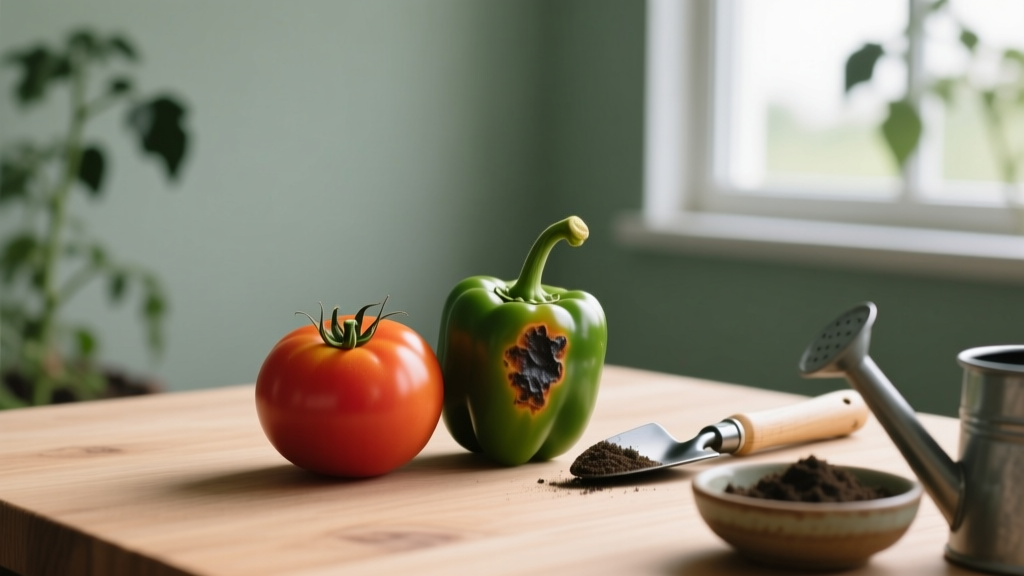
Troubleshooting Blossom End Rot in Tomatoes and Peppers
James MillerPublished
Every summer, home gardeners eagerly anticipate the first harvest of vine-ripened tomatoes and crisp bell peppers. However, few sights are more discouraging than walking into your garden to find the bottom of your prized fruit turning black, sunken, and leathery. This condition is known as blossom end rot (BER), and it is arguably the most common physiological disorder affecting solanaceous crops in home gardens. Unlike fungal diseases or pest infestations, blossom end rot is not caused by a pathogen. Instead, it is a complex environmental and nutritional issue that requires precise troubleshooting to resolve.
Diagnosing the Problem: Is it Really Blossom End Rot?
Before applying any treatments, you must accurately diagnose the issue. Misidentifying the problem can lead to ineffective remedies and wasted resources. Blossom end rot always begins on the blossom end of the fruit—the side opposite the stem. It starts as a small, water-soaked spot that quickly enlarges, turning dark brown or black, and develops a dry, leathery texture. Secondary fungi or bacteria may eventually invade the lesion, causing the fruit to rot entirely, but the initial trigger is purely physiological.
To ensure you are dealing with BER and not another common garden issue, refer to the diagnostic comparison chart below:
| Condition | Location on Fruit | Appearance | Primary Cause |
|---|---|---|---|
| Blossom End Rot | Blossom end (bottom) | Dark, sunken, leathery lesion | Calcium mobility issue / Water stress |
| Sunscald | Side facing the sun | White, papery, blistered skin | Direct UV exposure / Lack of canopy |
| Insect Damage | Anywhere, often near stem | Holes, frass, tunneling | Tomato hornworms, stink bugs, borers |
| Late Blight | Shoulders and sides | Firm, dark brown, greasy spots | Fungal pathogen (Phytophthora infestans) |
The Physiology of Blossom End Rot
To effectively troubleshoot BER, you must understand the underlying plant physiology. The fundamental cause of blossom end rot is a localized calcium deficiency within the developing fruit. Calcium is a crucial structural component of plant cell walls. When a fruit lacks sufficient calcium during its early stages of rapid expansion, the cell walls collapse, resulting in the characteristic necrotic lesions.
However, the critical nuance that most gardeners miss is that blossom end rot rarely occurs because there is a lack of calcium in the soil. According to the University of Minnesota Extension, calcium is transported through the plant's xylem alongside water. Because leaves transpire (release water vapor) much faster than fruits do, the plant naturally routes the majority of its calcium-rich water supply to the foliage. If the plant experiences water stress—either from drought or waterlogged roots—the flow of calcium to the fruit is severed, triggering BER even in calcium-rich soils.
Step-by-Step Troubleshooting and Treatment Plan
If you have identified blossom end rot on your tomatoes, peppers, or eggplants, immediate action is required to save the current and future harvest. Follow this targeted troubleshooting protocol.
Step 1: Test and Adjust Soil pH
Calcium availability is heavily dictated by soil pH. If your soil is too acidic or too alkaline, calcium becomes chemically locked up and unavailable to the plant's roots. Tomatoes and peppers thrive in a slightly acidic pH range of 6.2 to 6.8. Purchase a reliable digital soil pH meter or send a sample to your local university cooperative extension for a comprehensive soil test (typically costing between $15 and $30). If your pH is below 6.2, incorporate garden lime (calcium carbonate) into the soil. If it is above 7.0, apply elemental sulfur. Note that pH adjustments take time; this step is primarily for long-term correction and preparing the soil for future planting.
Step 2: Implement Strict Irrigation Protocols
Since water is the vehicle that transports calcium, inconsistent watering is the primary culprit behind BER. Tomatoes require 1 to 1.5 inches of water per week, but they need it consistently. A heavy downpour followed by five days of drought will almost certainly trigger blossom end rot.
- Install Drip Irrigation: Use 1 GPH (gallon per hour) drip emitters placed at the base of each plant. This delivers slow, deep moisture directly to the root zone without wetting the foliage.
- Apply Mulch: Lay down a 2 to 3-inch layer of organic mulch, such as straw, pine needles, or shredded leaves, around the base of the plants. This drastically reduces soil moisture evaporation and keeps root zone temperatures stable.
- Use a Moisture Meter: Check soil moisture daily. The soil should feel like a wrung-out sponge—moist, but not waterlogged.
Step 3: Correct Your Fertilizer Strategy
Excessive nitrogen, particularly in the form of ammonium, competes with calcium for uptake at the root level. If you have been using heavy ammonium-based synthetic fertilizers, you are inadvertently starving your fruit of calcium. Switch to a nitrate-based nitrogen source or an organic, slow-release fertilizer specifically formulated for tomatoes, such as Espoma Tomato-tone (3-4-6) or Jobe's Organics Vegetable & Tomato Spikes. If a soil test confirms a true calcium deficiency, apply agricultural gypsum (calcium sulfate) at a rate of 1 to 2 pounds per 100 square feet. Gypsum adds calcium without altering the soil pH.
Debunking Common Blossom End Rot Myths
The internet is rife with anecdotal remedies for blossom end rot that range from ineffective to actively harmful. When troubleshooting plant diseases, it is vital to rely on peer-reviewed horticultural science rather than garden folklore.
- Myth: Burying Tums or Antacids at the base of the plant cures BER.
Fact: While antacids contain calcium carbonate, they break down far too slowly to provide immediate relief to a developing fruit. Furthermore, they can artificially spike the local soil pH, locking up other essential micronutrients. - Myth: Adding crushed eggshells prevents blossom end rot.
Fact: Eggshells are an excellent long-term soil amendment, but they take months or even years to decompose and release calcium. They will not solve an acute mid-season BER crisis. - Myth: Epsom salts cure blossom end rot.
Fact: Epsom salts are magnesium sulfate, containing zero calcium. In fact, the NC State University Cooperative Extension explicitly warns that adding magnesium to the soil can exacerbate blossom end rot, as magnesium and calcium compete for the same uptake pathways in the plant's roots.
Long-Term Prevention for Future Seasons
While you cannot cure a tomato that already has a blackened, leathery bottom (the best course of action is to pick and compost the damaged fruit so the plant can redirect its energy to new blossoms), you can prevent it from affecting future harvests. Once you have stabilized your watering and adjusted your fertilizer, the next flush of fruit should develop normally.
For future seasons, focus on building resilient soil structure. Incorporate generous amounts of finished compost into your raised beds or garden rows before planting. Compost improves soil drainage while simultaneously increasing its water-holding capacity, creating a buffer against both drought and waterlogging. Additionally, Penn State Extension recommends selecting tomato varieties that are naturally less susceptible to BER. Cherry and grape tomatoes rarely suffer from the disorder, whereas large-fruited heirlooms and paste tomatoes (like Roma or San Marzano) are highly prone to it due to their rapid fruit expansion rates.
Conclusion
Troubleshooting blossom end rot requires a shift in perspective: stop viewing it as a disease, and start treating it as an environmental stress indicator. By maintaining a soil pH between 6.2 and 6.8, utilizing drip irrigation and heavy mulching to ensure consistent soil moisture, and avoiding high-ammonium fertilizers, you can effectively eliminate this frustrating disorder. Armed with these diagnostic tools and actionable solutions, you can safeguard your harvest and enjoy a bountiful, blemish-free crop of tomatoes and peppers this season.
