Gardening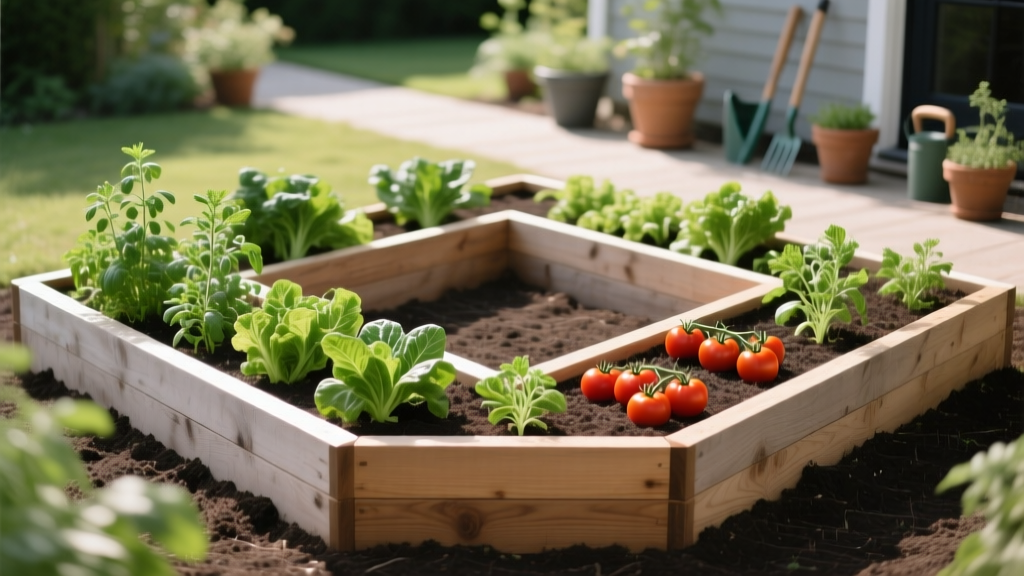
How to Design a U-Shaped Raised Bed Kitchen Garden
David ParkPublished
Designing a kitchen garden is about more than just picking out your favorite vegetables; it is an exercise in spatial planning, ergonomics, and long-term sustainability. For home gardeners looking to maximize yield while minimizing physical strain, the U-shaped raised bed layout is the gold standard of garden design. By wrapping the growing space around a central pathway, you create an immersive, highly accessible environment that puts every single plant within arm's reach. Whether you are working with a small suburban backyard or a sprawling homestead, understanding how to plan, build, and plant a U-shaped kitchen garden will transform your gardening experience.
The Ergonomics and Efficiency of the U-Shape
The primary advantage of a U-shaped raised bed is accessibility. Traditional rectangular beds that are wider than four feet force gardeners to step onto the soil, which causes compaction and damages the delicate soil structure. According to the University of Minnesota Extension, raised beds should never exceed four feet in width if they are accessible from both sides, or two feet if accessible from only one side. The U-shape naturally enforces this rule.
By creating a horseshoe or U-shape, you ensure that the maximum depth of any planting zone is no more than two to three feet. This means you can easily reach the center of the bed to harvest, prune, or weed without ever stepping into the growing area. Furthermore, the central cutout provides a dedicated workspace. You can position a wheelbarrow, a potting bench, or a harvest basket right in the middle of the U, reducing the number of steps you take during daily garden chores.
Planning Your Garden Dimensions and Pathways
Before purchasing materials, you must map out your space. A standard, highly effective U-shaped design consists of three connected rectangular beds: two parallel side beds and one connecting back bed.
- Bed Width: Keep all sections exactly 3 to 4 feet wide. This allows for easy reaching from the outside and the inside of the U.
- Bed Length: A common footprint is 12 feet long for the parallel sides and 12 feet across for the back, utilizing standard lumber lengths to minimize cutting and waste.
- Bed Depth: Aim for 18 inches deep. This provides ample room for deep-rooting crops like tomatoes and carrots while keeping the bed at a comfortable height for working without excessive bending.
- Pathway Width: The interior of the U should be at least 3 feet wide to accommodate a wheelbarrow, while the exterior pathways should be a minimum of 2 feet wide for walking.
Orient your garden so the open end of the U faces South. This ensures that the taller plants and trellises, which you will place along the North-facing back bed, do not cast shadows over the shorter crops in the side beds.
Material Selection and Cost Breakdown
Choosing the right material for your raised beds impacts your budget, the longevity of your garden, and the overall aesthetic. Below is a comparison of the three most popular materials for a 4x12 foot bed section (18 inches deep).
| Material | Estimated Cost (Per 4x12 Bed) | Lifespan | Pros & Cons |
|---|---|---|---|
| Untreated Cedar | $250 - $350 | 10 - 15 Years | Pros: Natural rot resistance, beautiful aesthetic. Cons: Expensive, can warp over time. |
| Galvanized Steel (e.g., Birdies) | $180 - $280 | 20+ Years | Pros: Extremely durable, pest-proof, modern look. Cons: Soil heats up faster in extreme sun. |
| Composite Timber | $300 - $450 | 25+ Years | Pros: Zero maintenance, will not rot or splinter. Cons: Highest upfront cost, can bow if not braced. |
For a complete U-shaped garden comprising roughly 96 square feet of growing space, expect to spend between $750 and $1,200 on materials alone, depending on your choice of bed walls and corner brackets.
Soil Preparation and Filling Strategy
Filling a U-shaped garden requires a significant volume of soil. For an 18-inch deep garden with 96 square feet of space, you will need approximately 48 cubic feet of soil. Do not use native ground soil or heavy topsoil, as it will compact heavily in a raised environment. Instead, rely on a specialized raised bed mix.
The Square Foot Gardening Foundation famously recommends 'Mel's Mix,' which consists of equal parts coarse vermiculite, peat moss (or coconut coir for a more sustainable option), and blended organic compost. This mixture is light, fluffy, retains moisture beautifully, and provides a slow-release nutrient profile.
Cost-Saving Tip: To reduce the cost of filling 18-inch deep beds, use the Hügelkultur method for the bottom 6 to 8 inches. Fill the base with decaying logs, twigs, dried leaves, and grass clippings. This organic matter will break down over time, feeding the soil from the bottom up and improving drainage. You only need to purchase your premium soil mix for the top 10 to 12 inches where the root zones are most active.
Planting Layout: The Square-Foot Method
When planning your design, integrate the square-foot gardening method to maximize your yield. By dividing your beds into a grid of 1x1 foot squares, you can eliminate wasted space and precisely calculate your harvest. The Old Farmer's Almanac notes that intensive planting in raised beds can yield up to five times more produce per square foot than traditional row gardening.
Here is a planning guide for a typical spring and summer kitchen garden layout within your U-shaped beds:
| Crop Type | Plants Per Square Foot | Best Location in U-Shape | Companion Planting Notes |
|---|---|---|---|
| Indeterminate Tomatoes | 1 | Back Bed (North side) | Plant with basil and marigolds to deter nematodes. |
| Bush Cucumbers | 2 | Side Beds (Outer edges) | Allow to spill over the edge; plant near radishes. |
| Bell Peppers | 1 | Side Beds (Center) | Pair with carrots and onions; avoid fennel. |
| Leaf Lettuce / Spinach | 4 to 6 | Front Edges (Partial shade) | Grow in the shadow of taller plants during peak summer. |
| Carrots / Radishes | 16 | Anywhere (Loose soil) | Excellent for breaking up soil; plant near tomatoes. |
Vertical Elements and Trellis Planning
A successful kitchen garden design utilizes vertical space to keep pathways clear and improve air circulation, which reduces fungal diseases. Plan to install a heavy-duty trellis system along the entire back wall of the U-shape (the North-facing bed).
Use 8-foot tall T-posts or cedar posts connected with cattle panels or heavy-duty nylon netting. This structure will support vining crops like pole beans, indeterminate tomatoes, and climbing peas. By training these plants upward, you free up valuable square footage in the side beds for lower-growing, high-density crops like bush beans, strawberries, and root vegetables. Install the trellis before you plant to avoid disturbing the root systems of your seedlings later in the season.
Seasonal Maintenance and Crop Rotation
Because a U-shaped garden is an intensive, high-yield environment, it will rapidly deplete soil nutrients if not managed correctly. Plan your seasonal maintenance schedule around heavy feeding and crop rotation.
- Early Spring: Top-dress all beds with 2 inches of fresh organic compost and a balanced organic granular fertilizer (such as Espoma Garden-tone 3-4-4) two weeks before planting.
- Mid-Summer: Side-dress heavy feeders like tomatoes and squash with compost or liquid kelp fertilizer every three weeks to sustain fruit production.
- Late Fall: Clear out spent crops, chop and drop disease-free foliage, and plant a cover crop like winter rye or crimson clover to protect the soil structure and fix nitrogen over the winter.
Keep a garden journal to track where you plant specific families of vegetables each year. Never plant Solanaceae (tomatoes, peppers, eggplants) in the exact same square foot two years in a row to prevent the buildup of soil-borne pathogens like early blight.
Conclusion
Designing a U-shaped raised bed kitchen garden is a transformative investment in your home landscape. By prioritizing ergonomic dimensions, selecting durable materials, and utilizing intensive square-foot planting grids, you create a highly efficient food-producing oasis. The initial planning and physical labor of building the beds will pay dividends for decades, providing you with fresh, organic produce just steps from your back door.
