Gardening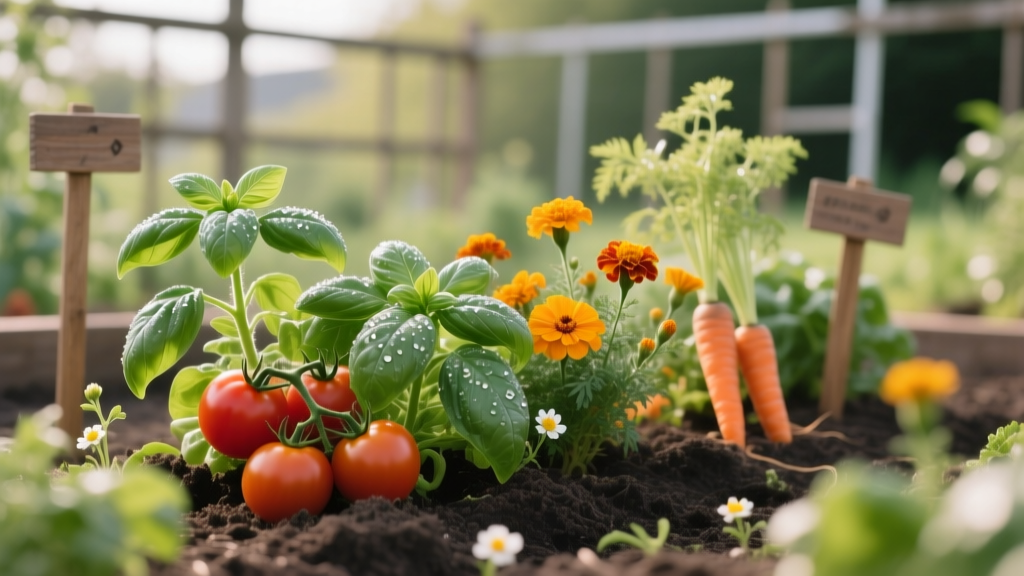
Vegetable Companion Planting Myths: Fact vs Fiction
Mike RodriguezPublished
Introduction: The Folklore and Science of Companion Planting
For generations, home gardeners have relied on companion planting—the practice of growing specific crops in close proximity to enhance growth, repel pests, or improve flavor. Much of this wisdom has been passed down through gardening almanacs and word of mouth, creating a rich tapestry of horticultural folklore. However, as modern agronomic science and plant physiology have advanced, many of these deeply held beliefs have been put to the test. While some companion planting strategies are rooted in verifiable ecological interactions, others are nothing more than romanticized myths that can lead to wasted space, stunted crops, and frustrated gardeners.
In this comprehensive guide, we will separate fact from fiction, debunking the most pervasive vegetable companion planting myths. By relying on peer-reviewed research and university extension data, we will provide you with actionable, science-backed advice to optimize your garden layout, improve soil health, and maximize your harvest.
Myth 1: Marigolds Repel All Garden Pests
The Myth: Planting marigolds around the border of your vegetable garden will repel aphids, Japanese beetles, and cabbage worms through their strong scent.
The Fact: Marigolds are highly effective at managing specific soil-borne pests, but they do almost nothing to repel flying insects from neighboring crops. The scientific value of marigolds lies in their roots, not their scent. French marigolds (Tagetes patula) produce a biochemical compound called alpha-terthienyl in their root systems. This compound is highly toxic to root-knot nematodes (Meloidogyne spp.), microscopic soil worms that devastate tomato and pepper roots.
However, simply planting a few marigolds next to your tomatoes will not suppress nematode populations. According to the University of California Integrated Pest Management (UC IPM) program, marigolds must be grown as a dense, solid cover crop for an entire season (90 to 120 days) and then tilled directly into the soil to effectively break the nematode life cycle. As for flying pests like aphids or beetles, studies show that marigold volatiles do not create an invisible forcefield; in some cases, they can even attract spider mites.
Actionable Advice: To use marigolds for nematode control, choose specific cultivars like 'Nemagold' or 'Petite Harmony'. Sow seeds densely at a rate of 4 seeds per square foot in the spring. Allow them to grow uninterrupted for three months, then mow them down and till the biomass into the top 6 inches of your soil before planting your fall brassicas or alliums.
Myth 2: Planting Basil Near Tomatoes Improves Tomato Flavor
The Myth: Growing basil alongside tomatoes will transfer essential oils through the soil or air, resulting in sweeter, more flavorful tomatoes.
The Fact: There is zero scientific evidence to suggest that the volatile oils of basil (Ocimum basilicum) can alter the Brix (sugar) level or the flavor profile of a tomato fruit. Tomato flavor is dictated by genetics, consistent soil moisture, high potassium levels, and abundant sunlight. The roots of these two plants do not exchange flavor compounds.
However, basil is still a valuable companion for tomatoes, just not for culinary reasons. Basil acts as an excellent trap crop for thrips and can help obscure the visual profile of tomato plants from certain opportunistic pests. Furthermore, interplanting basil maximizes spatial efficiency in raised beds.
Actionable Advice: Plant 'Genovese' basil 12 inches away from the base of your indeterminate tomato plants. This specific spacing ensures that the basil does not restrict airflow around the lower tomato canopy. Proper airflow is critical for preventing late blight (Phytophthora infestans), a devastating fungal disease that thrives in humid, stagnant microclimates. Prune the bottom 12 inches of tomato foliage to maintain this airflow.
Myth 3: The 'Three Sisters' Method is Outdated and Inefficient
The Myth: The Native American 'Three Sisters' planting method (corn, beans, and squash) is a quaint historical footnote that cannot compete with modern, high-yield monoculture row cropping.
The Fact: The Three Sisters method is a masterclass in spatial polyculture and sustainable agronomy. Far from being outdated, it is a highly efficient system that mimics natural ecosystems. The corn (Zea mays) provides a sturdy, natural trellis for the pole beans (Phaseolus vulgaris). The beans, in turn, host Rhizobium bacteria in their root nodules, which fix atmospheric nitrogen into a form usable by the heavy-feeding corn. Finally, the sprawling squash (Cucurbita pepo) acts as a living mulch, its broad leaves shading the soil to retain moisture, suppress weeds, and deter raccoons with its prickly vines.
According to the University of Minnesota Extension, this triad provides a complete nutritional profile (carbohydrates, proteins, and vitamins) while maintaining soil fertility without synthetic fertilizers.
Actionable Advice: Timing and spacing are critical. Build soil mounds that are 3 feet wide and 6 inches high. Plant 4 corn seeds in the center of the mound when soil temperatures reach 60°F. When the corn is 6 inches tall, plant 4 pole bean seeds 6 inches away from the corn stalks. One week later, plant 2 squash seeds on the outer edge of the mound, 3 feet from the center. Thin to the strongest plants to prevent overcrowding.
Myth 4: Garlic and Pepper Sprays Cure Fungal Diseases
The Myth: Spraying a homemade concoction of garlic water and hot pepper spray will cure powdery mildew and blight on cucumbers and squash.
The Fact: Garlic contains allicin, a compound with mild fungistatic (fungus-inhibiting) properties. However, it is strictly a preventive measure. Once the mycelium of powdery mildew (Podosphaera xanthii) has penetrated the leaf cuticle and established itself inside the plant tissue, no amount of garlic or pepper spray will cure the infection. Pepper sprays (capsaicin) are primarily deterrents for mammalian pests and chewing insects, possessing virtually no antifungal efficacy.
Actionable Advice: For active fungal outbreaks, abandon the garlic spray and use Potassium Bicarbonate (available in commercial products like GreenCure or as a generic powder). Mix 1 tablespoon of potassium bicarbonate and 1 teaspoon of horticultural oil per gallon of water. This solution works on contact by raising the pH of the leaf surface, creating an alkaline environment where fungal spores cannot germinate or spread. Apply every 7 to 10 days as a preventive measure during humid weather.
The Hidden Danger: Allelopathy in the Garden
While many gardeners focus on beneficial pairings, few consider allelopathy—the chemical warfare some plants wage against their neighbors. Certain plants exude biochemicals from their roots, leaves, or decaying matter that actively inhibit the germination and growth of nearby crops.
- Black Walnut (Juglans nigra): Produces juglone, a highly toxic compound that will cause immediate wilting and death in tomatoes, peppers, potatoes, and eggplants. Never plant solanaceous crops within the drip line (or even near the root zone) of a black walnut tree.
- Sunflowers (Helianthus annuus): While great for pollinators, sunflower seed hulls and root exudates contain allelopathic chemicals that severely stunt the growth of pole beans and potatoes. Keep sunflowers isolated in their own dedicated beds or along the northern fence line where their root systems won't intersect with sensitive vegetables.
- Fennel (Foeniculum vulgare): Notoriously allelopathic, fennel inhibits the growth of almost all common garden vegetables, particularly tomatoes and beans. It should always be grown in a separate container or an isolated herb spiral.
Companion Planting: Myth vs. Fact Comparison Chart
| Garden Myth | Scientific Reality | Actionable Verdict |
|---|---|---|
| Marigolds repel flying insects | Roots suppress soil nematodes only when tilled under | Use as a 90-day cover crop, not a border plant |
| Basil makes tomatoes sweeter | Flavor is dictated by soil K, water, and genetics | Plant 12 inches apart for trap-cropping and airflow |
| Garlic spray cures mildew | Allicin is preventive; cannot kill established mycelium | Use potassium bicarbonate to alter leaf surface pH |
| Sunflowers are great for beans | Sunflowers exhibit allelopathy, stunting bean growth | Plant sunflowers in isolated beds away from legumes |
Conclusion: Build a Science-Backed Polyculture
As the Penn State Extension notes, the most reliable companion to any vegetable is a biologically active, nutrient-rich soil ecosystem. Instead of relying on unproven folklore to protect your crops, focus on foundational garden management. Invest $20 to $30 in a professional soil test through your local university extension to determine your exact NPK (Nitrogen, Phosphorus, Potassium) levels and your soil's SMP buffer pH. Aim for a slightly acidic soil pH between 6.2 and 6.8, which is the sweet spot for nutrient availability for most vegetable crops. By combining verified companion planting strategies—like the Three Sisters and nematode-suppressing cover crops—with rigorous soil science, you will cultivate a resilient, high-yielding garden that thrives season after season.
