Gardening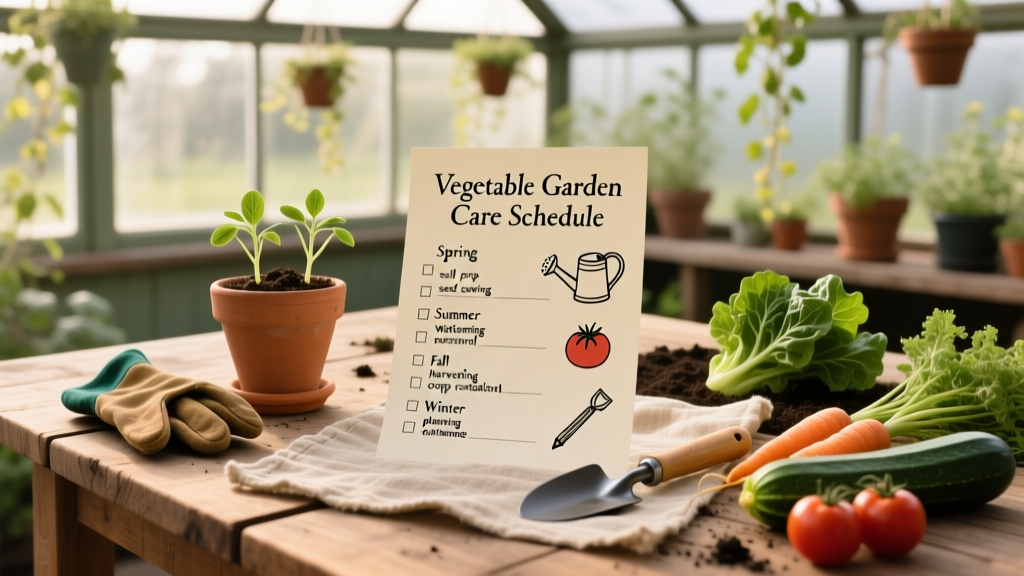
Year-Round Vegetable Garden Care Schedule & Checklist
Anna KowalskiPublished
Why a Structured Garden Schedule Matters
A thriving vegetable garden requires more than just a green thumb; it demands a strategic, season-by-season approach. Whether you are cultivating a small raised bed or a sprawling backyard homestead, following a detailed lawn and garden care checklist ensures you never miss critical windows for soil preparation, planting, and pest management. According to the United States Department of Agriculture (USDA), timing your garden tasks to align with local frost dates and seasonal weather patterns is the single most effective way to maximize your yield and minimize plant stress.
In this comprehensive guide, we break down the ultimate year-round vegetable garden maintenance schedule. From early spring soil amendments to winter tool care, this actionable checklist will keep your garden productive and your soil healthy year after year.
Early Spring (March - April): Soil Prep & Planning
Spring preparation sets the foundation for your entire growing season. The goal during these months is to wake up the soil, balance nutrients, and prepare your seed starting station.
Early Spring Checklist
- Conduct a Soil Test: Send a soil sample to your local cooperative extension ($15-$30). Most vegetables thrive in a pH range of 6.2 to 6.8.
- Amend the Soil: Based on test results, incorporate 2 to 3 inches of organic compost into the top 6 inches of your beds. The Environmental Protection Agency (EPA) highlights that composting not only enriches soil with essential micronutrients but also improves moisture retention and soil structure.
- Apply Base Fertilizer: Work in a slow-release organic fertilizer like Espoma Garden-tone (3-4-4 NPK) at a rate of 3.5 lbs per 50 square feet.
- Start Seeds Indoors: Sow tomatoes, peppers, and eggplants 6-8 weeks before your last expected frost date under LED grow lights (14-16 hours of light daily).
- Prepare Irrigation: Flush out drip irrigation lines, replace cracked emitters, and test your rain barrels.
Late Spring (May - June): Planting & Early Maintenance
As the threat of frost passes, the focus shifts to transplanting, direct sowing, and establishing a strong root system for your young plants.
Late Spring Checklist
- Harden Off Seedlings: Gradually acclimate indoor seedlings to outdoor conditions over 7-10 days. Start with 2 hours in dappled shade, increasing sun exposure and wind contact daily.
- Transplant Warm-Season Crops: Plant tomatoes, peppers, and cucumbers only after soil temperatures consistently reach 60°F. Space indeterminate tomatoes 24-36 inches apart to ensure adequate airflow.
- Direct Sow Root Vegetables: Sow carrots, radishes, and beets directly into the garden. Keep the seedbed consistently moist until germination.
- Apply Mulch: Once the soil has warmed, apply a 2-inch layer of organic straw or shredded leaves around your plants. This suppresses weeds, retains moisture, and prevents soil-borne diseases from splashing onto lower leaves.
- Install Trellises: Set up cattle panels or string trellises for climbing crops like pole beans and peas before they begin to vine.
Summer (July - August): Peak Growth & Pest Management
Summer is the most demanding season. Rapid plant growth, high temperatures, and peak pest life cycles require vigilant daily monitoring and maintenance.
Summer Checklist
- Deep Watering Schedule: Vegetables require 1 to 1.5 inches of water per week (approximately 0.6 gallons per square foot). Water deeply at the base of the plant using drip irrigation to encourage deep root growth and avoid wetting the foliage, which invites fungal diseases like powdery mildew.
- Side-Dressing Heavy Feeders: Apply a nitrogen-rich side dressing (like blood meal or fish emulsion) to corn, tomatoes, and squash when they begin to flower and set fruit.
- Scout for Pests Daily: Hand-pick tomato hornworms and inspect the undersides of leaves for aphids and squash bug eggs. Treat localized infestations with neem oil or insecticidal soap, applying in the early evening to protect pollinators.
- Prune Indeterminate Tomatoes: Remove "suckers" (the shoots growing in the crotch joint of two branches) to direct the plant's energy into fruit production rather than excessive foliage.
- Harvest Frequently: Pick zucchini, beans, and cucumbers daily. Frequent harvesting signals the plant to continue producing rather than shifting energy into seed maturation.
Fall (September - November): Harvest & Soil Restoration
As temperatures cool, the garden transitions from peak production to cleanup and soil restoration. Proper fall care reduces disease carryover and prepares the soil for spring.
Fall Checklist
- Plant Fall Crops & Garlic: Sow cold-hardy crops like spinach, kale, and radishes. Plant hardneck garlic cloves 2 inches deep and 6 inches apart for next summer's harvest.
- Sow Cover Crops: The University of Minnesota Extension recommends planting cover crops like winter rye or hairy vetch in empty beds. These "green manures" prevent soil erosion, suppress winter weeds, and fix atmospheric nitrogen into the soil. Sow winter rye at a rate of 2-3 lbs per 1,000 square feet.
- Sanitize the Garden: Remove all diseased plant material (especially blighted tomato leaves or mildewed squash vines) and dispose of it in the trash, not the compost pile, to break the disease cycle.
- Winterize Irrigation: Drain all hoses, drip lines, and rain barrels before the first hard freeze to prevent cracking.
Winter (December - February): Planning & Tool Care
Winter is a time for rest, reflection, and preparation. Use the downtime to organize your supplies and plan next year's garden layout.
Winter Checklist
- Maintain Garden Tools: Clean, sharpen, and oil your hoes, pruners, and shovels. Wipe metal blades with camellia oil or boiled linseed oil to prevent rust, and sand down wooden handles before applying a protective coat of oil.
- Order Seeds Early: Review your garden journal from the previous year and order seeds from reputable catalogs before popular varieties sell out. Prioritize disease-resistant cultivars for areas with a history of fungal issues.
- Design the Garden Layout: Map out your beds using a crop rotation plan. Avoid planting crops from the same family (e.g., nightshades like tomatoes and peppers) in the same bed two years in a row to deplete specific nutrients and attract specialized pests.
- Build or Repair Raised Beds: Winter is the perfect time to construct new cedar or composite raised beds, or replace rotting boards on existing ones, so they are ready to fill with soil in early spring.
Monthly Vegetable Garden Task Matrix
Use this quick-reference table to stay on track with your monthly garden chores.
| Month | Primary Focus | Key Actionable Tasks | Est. Time/Week |
|---|---|---|---|
| March | Soil Prep & Seed Starting | Soil testing, indoor sowing, bed turning | 3-4 hours |
| April | Transplanting Cool Crops | Hardening off, planting peas/lettuce, mulching | 4-5 hours |
| May | Warm Season Planting | Transplanting tomatoes/peppers, trellis setup | 5-6 hours |
| June | Weed & Water Management | Drip irrigation setup, thinning, early pest scouting | 6-8 hours |
| July | Harvest & Pest Control | Daily harvesting, side-dressing, pruning suckers | 8-10 hours |
| August | Peak Harvest & Fall Prep | Preserving harvest, sowing fall brassicas | 8-10 hours |
| September | Cover Crops & Cleanup | Planting garlic, sowing rye, removing diseased debris | 5-6 hours |
| October | Winterizing Systems | Draining hoses, final harvest, compost turning | 3-4 hours |
| November | Tool Maintenance | Sharpening blades, oiling wood handles, mulching beds | 2-3 hours |
| December - February | Planning & Education | Seed ordering, crop rotation mapping, bed building | 1-2 hours |
Expert Tip: "The most successful gardeners are the most observant. Spend 10 minutes every morning with your coffee simply walking the garden beds. Catching a pest infestation or a watering issue early is the difference between a minor fix and a lost crop."
Final Thoughts on Garden Scheduling
Sticking to a year-round vegetable garden care schedule transforms gardening from a chaotic chore into a rewarding, predictable rhythm. By breaking down the overwhelming task of garden management into seasonal and monthly checklists, you ensure that your soil remains fertile, your plants stay resilient against pests, and your harvests are abundant. Print this matrix, pin it in your potting shed, and adjust the timing slightly based on your specific USDA Hardiness Zone to achieve your best garden yet.
