Gardening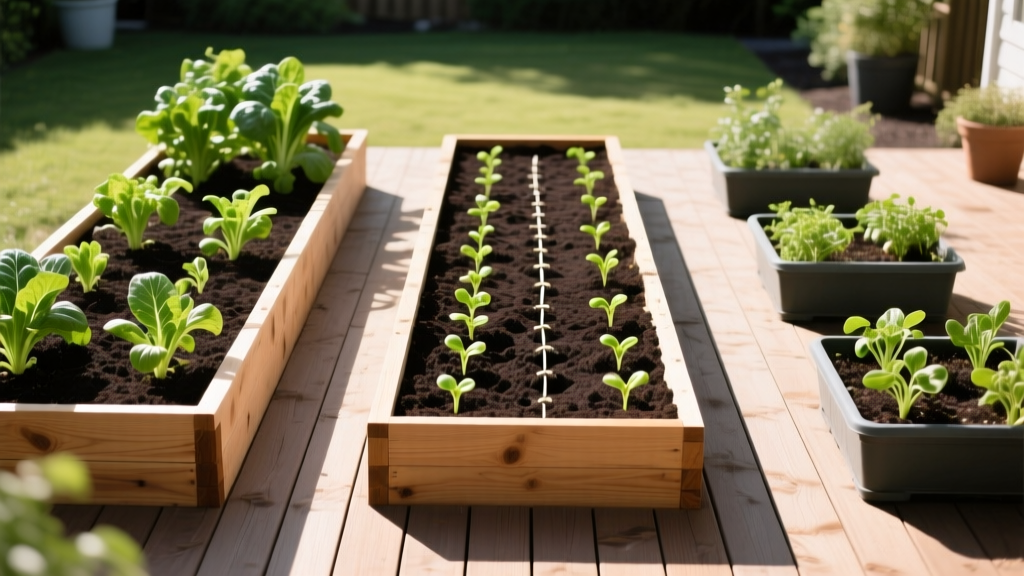
Vegetable Garden Cost Guide: Raised Beds vs In-Ground
James MillerPublished
The True Cost of Starting a Vegetable Garden
With grocery prices continuing to fluctuate and a growing desire for sustainable, homegrown food, starting a vegetable garden is one of the most rewarding investments a homeowner can make. However, the initial startup costs can vary wildly depending on the method you choose. Whether you are looking to build a high-yield raised bed system, till up a traditional in-ground plot, or maximize a small patio with container gardening, understanding the true costs involved is essential for budgeting your backyard harvest.
In this comprehensive pricing guide, we break down the material, soil, and maintenance costs of the three most popular vegetable gardening methods. By the end, you will know exactly how much capital you need to get your hands dirty and which method offers the best return on investment (ROI) for your specific landscape.
1. In-Ground Gardening: The Budget-Friendly Route
In-ground gardening is the most traditional and cost-effective method for growing vegetables, provided you have adequate sunlight, decent native soil, and enough physical space. Because you are utilizing the earth already beneath your feet, you save money on structural materials and massive volumes of imported soil.
However, in-ground gardening requires significant soil preparation. According to the University of Minnesota Extension, testing your soil before planting is a critical first step to determine pH levels and nutrient deficiencies. A basic DIY soil test kit costs around $15, while a comprehensive lab analysis through a local university extension office typically ranges from $20 to $30. Once you understand your soil profile, you will likely need to amend it with organic compost to improve drainage and nutrient density.
In-Ground Garden Startup Cost Breakdown
| Item | Estimated Cost | Notes |
|---|---|---|
| Soil Testing | $15 - $30 | Crucial for determining necessary amendments |
| Organic Compost (Bulk) | $30 - $60 per cubic yard | Plus delivery fees; covers approx. 100 sq ft at 2" depth |
| Rototiller Rental | $50 - $80 per day | Required for breaking new ground; manual broadfork is a cheaper but labor-intensive alternative |
| Seeds & Transplants | $30 - $60 | Varies heavily based on garden size and crop variety |
| Basic Hand Tools | $40 - $75 | Spade, garden rake, hoe, and trowel |
Total Estimated Startup Cost (100 sq ft plot): $165 - $305
2. Raised Bed Gardening: The High-Yield Investment
Raised beds have surged in popularity due to their superior drainage, reduced weed pressure, and ergonomic benefits. The Old Farmer's Almanac notes that raised beds also warm up faster in the spring, allowing for an extended growing season. However, this method requires a significantly higher upfront financial investment in lumber and soil.
The Cost of Lumber and Hardware
The material you choose for your raised bed borders will dictate both the upfront cost and the lifespan of your garden. Untreated pine is the cheapest option ($30-$50 for a 4x8 foot bed) but will rot within 3 to 5 years. Cedar or redwood is naturally rot-resistant and can last 10 to 15 years, but it will cost between $120 and $200 for the same size bed. Galvanized steel raised bed kits have also become popular, costing around $80 to $150, though they can heat up the soil in extreme summer climates.
Calculating Soil Costs for Raised Beds
The most expensive component of a raised bed is the soil. A standard 4-foot by 8-foot bed that is 12 inches deep requires 32 cubic feet of soil. If you buy bagged raised bed mix from a big-box store (typically 1.5 cubic feet per bag at $6-$8 each), you will spend between $130 and $170 on soil alone for a single bed. To save money, many gardeners order a custom "garden mix" (usually a blend of topsoil and compost) in bulk from a local landscape supply yard, which can cut soil costs by up to 50%, though you must factor in a $50-$100 delivery fee.
Raised Bed Startup Cost Breakdown (Single 4x8 Bed)
| Item | Estimated Cost | Notes |
|---|---|---|
| Cedar Lumber & Screws | $130 - $180 | Untreated pine drops this to ~$45 |
| Soil (Bagged Mix) | $130 - $170 | Bulk delivery can reduce this to $70-$90 |
| Cardboard / Weed Barrier | $0 - $15 | Free if upcycling shipping boxes |
| Seeds & Transplants | $25 - $50 | Intensive planting allows for higher yields |
Total Estimated Startup Cost (One 4x8 Cedar Bed): $285 - $415
3. Container Gardening: The Urban & Space-Saver Option
For those with limited yard space, poor native soil, or renters who need a portable garden, container gardening is the ultimate solution. Containers allow you to control the exact soil environment and move plants to chase the sun or avoid harsh weather.
The key to container gardening is using the right growing medium. You cannot use garden soil or topsoil in pots, as it will compact and suffocate plant roots. You must purchase a high-quality, well-draining potting mix that includes perlite or vermiculite. Additionally, containers dry out much faster than raised beds or in-ground plots, meaning you may need to invest in a drip irrigation system or water-retaining crystals to manage your water bill and plant health.
Container Garden Startup Cost Breakdown
| Item | Estimated Cost | Notes |
|---|---|---|
| Fabric Grow Bags (5-Pack) | $20 - $35 | Excellent for root aeration; plastic resin pots cost similar |
| Premium Potting Mix | $40 - $60 | Approx. 2 to 3 large bags (2.5 cu ft each) |
| Slow-Release Fertilizer | $15 - $25 | Essential as frequent watering leaches nutrients from pots |
| Saucers & Risers | $20 - $40 | Protects decks and patios from water damage |
Total Estimated Startup Cost (5 Large Containers): $95 - $160
4. Seeds vs. Nursery Transplants: Where to Save and Splurge
One of the most common budgeting mistakes new gardeners make is buying nursery transplants for crops that are incredibly cheap and easy to direct-sow from seed. Root vegetables like carrots, radishes, and beets should always be grown from seed, as they do not transplant well. A $3 packet of carrot seeds can yield over 100 carrots, whereas buying a single nursery start might cost $4 and only yield one carrot.
Conversely, long-season crops like tomatoes, peppers, and eggplants are often worth the splurge at the nursery, especially if you live in a climate with a short growing season. Buying a healthy, hardened-off tomato transplant for $5 to $8 guarantees you a head start and a much higher likelihood of a massive late-summer harvest, securing your ROI.
5. Ongoing Maintenance and Hidden Costs
The startup costs are only the beginning. To accurately budget for your garden, you must account for ongoing maintenance, water usage, and pest management.
- Watering & Irrigation: Hand-watering is free but time-consuming. Installing a soaker hose or drip irrigation system on a timer will cost between $60 and $120 but will drastically reduce water waste and lower your monthly utility bills.
- Pest & Disease Control: Deer, rabbits, and insects can decimate a garden overnight. Fencing a 10x10 garden area with chicken wire and wooden stakes can cost $100 to $200. For insect management, the Environmental Protection Agency (EPA) recommends utilizing Integrated Pest Management (IPM) principles, which focus on biological controls and targeted, low-toxicity treatments like neem oil or insecticidal soaps ($10-$20 per bottle) rather than expensive, broad-spectrum chemical sprays.
- Trellising & Support: Vining crops like indeterminate tomatoes, cucumbers, and pole beans require vertical support. Heavy-duty steel trellises can cost $40-$80 each, while DIY options using bamboo stakes and jute twine can be built for under $15.
6. Calculating Your Garden's Return on Investment (ROI)
While gardening requires an upfront financial and time investment, the ROI can be staggering once your plants reach maturity. High-yield crops offer the best financial return. For example, a single packet of zucchini seeds ($3) can produce multiple plants, each yielding 10 to 20 pounds of squash over the summer. At grocery store prices of $2.00 per pound, a single zucchini plant can generate $20 to $40 in produce value.
Similarly, growing fresh herbs like basil, cilantro, and rosemary provides immense value. A small plastic clamshell of fresh basil at the supermarket often costs $3.99 and wilts within a week. A single $3 basil plant grown in a container will produce continuous harvests from early summer until the first autumn frost, easily replacing dozens of store-bought packages.
Final Verdict: Which Method Fits Your Budget?
If your primary goal is to grow a large volume of calorie-dense crops (like potatoes, corn, and winter squash) on a strict budget, in-ground gardening remains the undisputed champion of affordability. If you are willing to spend more upfront for a tidy aesthetic, fewer weeds, and higher yields in a smaller footprint, raised beds are the premier choice for modern homeowners. Finally, if you are renting or lack a sunny yard, container gardening offers a highly accessible, low-barrier entry point into the world of homegrown food.
By carefully selecting your materials, buying soil in bulk, and prioritizing high-yield crops, you can build a thriving vegetable garden that not only beautifies your landscape but actively offsets your household grocery budget for years to come.
