Tree Care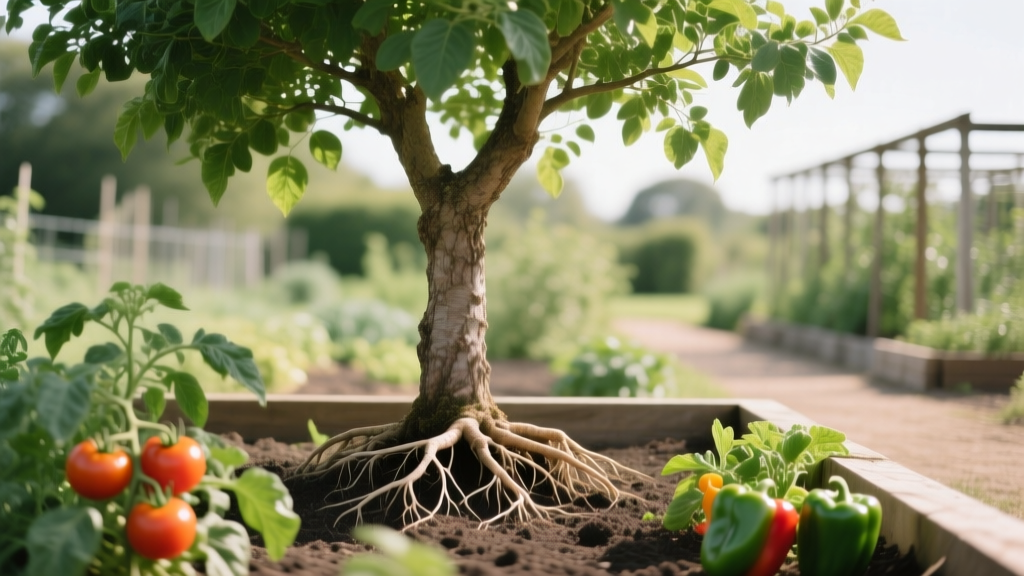
Verticillium Wilt Diagnosis And Resistant Trees 2026
Lisa ThompsonPublished
The Hidden Threat Lurking Beyond Your Raised Beds
As a dedicated raised bed vegetable gardener in 2026, you likely spend countless hours and significant resources perfecting your soil blends, optimizing drip irrigation, and selecting disease-resistant heirloom seeds for the growing season. Yet, one of the most devastating soil-borne pathogens threatening your tomatoes, peppers, eggplants, and potatoes might not be originating from your compost or nursery transplants. It could be lurking in the landscape trees surrounding your garden. Verticillium wilt, caused primarily by the soil-borne fungi Verticillium dahliae and Verticillium albo-atrum, is a notorious equal-opportunity destroyer. It affects hundreds of plant species, seamlessly bridging the gap between ornamental landscape trees and solanaceous vegetable crops.
Understanding how to diagnose this disease in your perimeter trees and selecting resistant species is a critical, often overlooked component of holistic raised bed garden management. If the majestic maple or flowering redbud shading your garden is a silent reservoir for Verticillium, your raised beds are at constant risk of cross-contamination. This comprehensive guide will teach you how to identify the disease, understand the mechanics of root-borne transmission, and choose the best resistant trees to safeguard your vegetable harvest this year and for decades to come.
Diagnosing Verticillium Wilt in Perimeter Trees
Before you can protect your raised beds, you must determine if your surrounding landscape trees are harboring the pathogen. Verticillium wilt enters trees through the root system, colonizing the xylem (the water-conducting tissues) and effectively choking off the water supply to the canopy. Because the symptoms mimic drought stress, many gardeners mistakenly increase watering, which only exacerbates the fungal growth.
According to the University of Minnesota Extension, diagnosing Verticillium requires looking for specific, telltale signs that differentiate it from environmental stress:
- Flagging and One-Sided Wilting: Unlike drought stress, which typically affects the entire canopy evenly, Verticillium often causes 'flagging'—where branches on only one side of the tree, or even just one sector of a single branch, will suddenly wilt, yellow, and die back while the rest of the tree appears healthy.
- Sapwood Streaking: This is the most definitive diagnostic feature. If you peel back the bark on a recently wilted, symptomatic branch, you will often see distinct olive-green, bluish-black, or brown streaks in the sapwood. These streaks represent the fungal mycelium and the tree's defensive gumming response blocking the vascular tissue.
- Premature Fall Color and Defoliation: Infected trees often exhibit early autumn coloration and drop their leaves prematurely, starting from the lowest branches and moving upward.
- Sudden Branch Dieback: In acute cases, particularly during the heat of mid-summer, entire limbs can collapse and die within a matter of days.
If you suspect a tree bordering your vegetable garden is infected, it is crucial to confirm the diagnosis before taking action. Misdiagnosing a simple watering issue could lead to unnecessary tree removal, while ignoring a true Verticillium infection puts your entire vegetable crop in jeopardy.
How Tree Roots Infiltrate and Infect Raised Beds
Many raised bed gardeners operate under the false assumption that the wooden, stone, or corrugated metal walls of their beds create an impenetrable fortress against soil-borne diseases. In reality, tree root systems are incredibly expansive and aggressive. A mature tree's root zone can easily extend two to three times beyond its drip line. If your raised beds are situated anywhere within this massive subterranean network, they are vulnerable.
The rich, loose, consistently moist, and highly oxygenated soil inside a raised bed is an irresistible magnet for tree feeder roots. Over time, these fine roots can penetrate gaps in the bed's construction, burrow up through the native soil beneath the bed, or even grow over the edges if the bed is low-profile. Once the roots of a Verticillium-infected tree enter your vegetable soil, they act as a biological bridge.
The University of California Integrated Pest Management (UC IPM) program notes that Verticillium dahliae produces microscopic survival structures called microsclerotia. These structures can persist in the soil for over a decade, even in the absence of a host plant. When infected tree roots die back, shed, or are pruned, they release these microsclerotia directly into your pristine raised bed soil. The moment you plant a susceptible vegetable crop like tomatoes or strawberries, the fungus germinates, penetrates the vegetable's root tips, and begins the deadly colonization process all over again.
2026 Guide to Verticillium-Resistant Garden Trees
The most effective, long-term strategy for protecting your raised bed vegetable garden is to ensure that the trees planted in the surrounding landscape are completely resistant to Verticillium wilt. By selecting resistant species, you eliminate the primary reservoir for the disease. When planning your 2026 landscape upgrades or replacing a dead tree near your garden, consult the comparison chart below to select a tree that provides the right balance of disease resistance, mature size, and shade profile for your vegetables.
| Tree Species (Resistant) | Mature Height | Shade Profile & Garden Impact | Root Invasiveness |
|---|---|---|---|
| Ginkgo biloba (Maidenhair Tree) | 50-75 ft | Open canopy; dappled shade is excellent for partial-sun veggies like lettuce and spinach. | Low; deep taproot system, less likely to invade surface beds. |
| Quercus rubra (Northern Red Oak) | 60-75 ft | Dense shade; best planted on the north side of the garden to avoid blocking southern sun. | Moderate; requires a proper root barrier if planted within 20 feet of beds. |
| Betula nigra (River Birch) | 40-70 ft | Light, filtered shade; great for protecting cool-season crops from intense 2026 summer heat. | High; loves moisture and will aggressively seek out raised bed irrigation lines. |
| Gleditsia triacanthos (Thornless Honeylocust) | 30-70 ft | Very light, dappled shade; allows maximum sunlight penetration for heavy fruiting crops like tomatoes. | Moderate; surface roots can be problematic in compacted urban soils. |
| Pyrus calleryana (Ornamental Pear) | 30-50 ft | Moderate shade; beautiful spring bloom but requires careful pruning to manage dense branching. | Low to Moderate; generally well-behaved root system in loamy soils. |
Note: Always avoid planting highly susceptible species near your vegetable garden. This includes Maples (Acer), Redbuds (Cercis), Catalpas, Stone Fruits (Cherries, Plums, Peaches), and Magnolias. Research highlighted by Penn State Extension emphasizes that removing susceptible trees and replanting with resistant varieties is the cornerstone of managing this pathogen in mixed-use landscapes.
Physical Barriers and Soil Management Strategies
If you already have mature, susceptible trees near your garden, or if you are dealing with a property where the native soil is heavily infested with Verticillium microsclerotia, physical barriers are your best line of defense. Protecting the integrity of your raised bed soil requires proactive engineering.
1. Install HDPE Root Barriers
To prevent infected tree roots from creeping into your raised beds, install a High-Density Polyethylene (HDPE) root barrier. Dig a narrow trench between the tree and the raised bed, at least 24 to 36 inches deep, and insert the HDPE panels. This forces the tree's roots to grow downward rather than horizontally toward your nutrient-rich vegetable soil. Ensure the barrier extends at least 2 inches above the soil line to prevent roots from growing over the top.
2. Line the Bottom of Your Raised Beds
If your raised beds sit directly on native soil, the bottom of the bed is a major vulnerability. While many gardeners use cheap landscape fabric, this material degrades over time and offers little resistance to aggressive tree roots or the upward migration of soil-borne fungi. Instead, line the bottom of your beds with a heavy-duty, woven geotextile fabric or a layer of 1/4-inch hardware cloth. This creates a robust physical separation between the native soil ecosystem and your custom vegetable soil blend.
3. Elevate and Isolate
For gardens in severely contaminated areas, consider elevating your beds even further. Legs or cinderblock risers that lift the bed 12 to 18 inches off the ground completely eliminate the soil-to-soil interface, making it nearly impossible for tree roots to access the bed without being visibly exposed, at which point they can be easily pruned.
Pruning and Sanitation Protocols
If you must prune an infected tree, or if you are working in a garden where Verticillium is known to be present, strict sanitation protocols are non-negotiable. The fungus can easily be transported from an infected tree to your raised beds via contaminated pruning shears, shovels, and even the treads of your gardening boots.
- Tool Sterilization: After making any cut on a suspected or confirmed Verticillium-infected tree, sterilize your tools before moving to your vegetable garden. A 10% bleach solution or 70% isopropyl alcohol is highly effective. Wipe the blades thoroughly and allow them to dry to prevent rusting.
- Debris Management: Never chip or compost wood, leaves, or roots from a Verticillium-infected tree and use that mulch or compost in or around your raised beds. The microsclerotia can survive the composting process unless the pile reaches and maintains temperatures above 140°F for an extended period, which is difficult for most home gardeners to guarantee. Bag and dispose of infected debris through your municipal yard waste program.
- Boot and Wheel Washing: If you are using a wheelbarrow or walking from the base of an infected tree to your vegetable garden, clean the soil off your boots and equipment. A simple scrub brush and a hose-down station at the garden entrance can prevent the accidental tracking of infested soil particles into your pristine raised beds.
Conclusion: Designing a Resilient 2026 Garden
Successful raised bed vegetable gardening extends far beyond the borders of the beds themselves. It requires a holistic understanding of the entire landscape ecosystem. Verticillium wilt is a formidable adversary, but it is entirely manageable when you combine accurate diagnosis with intelligent plant selection and physical soil barriers. By auditing your perimeter trees, removing or managing susceptible species, and planting resistant varieties like Ginkgo or Red Oak, you create a protective buffer zone around your garden. Implement these strategies in 2026 to ensure your raised beds remain a safe, thriving, and disease-free sanctuary for your vegetable crops for years to come.
