Tree Care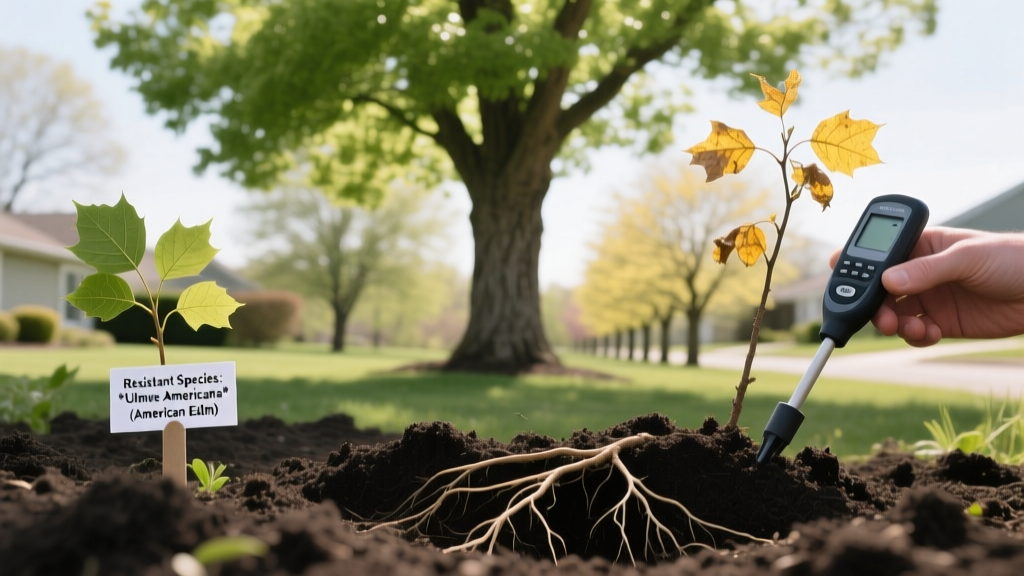
2026 Guide To Verticillium Wilt Diagnosis & Resistant Trees
James MillerPublished
Understanding the Threat of Verticillium Wilt in 2026
As we navigate the shifting climate patterns of 2026, prolonged summer droughts and erratic spring moisture levels are compounding the stress on urban and suburban canopies. This environmental stress makes landscape trees significantly more vulnerable to soil-borne pathogens, most notably Verticillium dahliae and Verticillium albo-atrum. These fungi cause Verticillium wilt, a devastating vascular disease that blocks the water-conducting tissues (xylem) of susceptible trees, leading to rapid decline and often death.
Because the fungus persists in the soil for decades as microscopic survival structures known as microsclerotia, chemical eradication is virtually impossible for homeowners and arborists alike. Therefore, accurate diagnosis and strategic selection of resistant tree species remain the most effective, long-term management strategies for infected landscapes.
How to Accurately Diagnose Verticillium Wilt
Misdiagnosing Verticillium wilt is a common pitfall. Its symptoms frequently mimic environmental drought stress, root rot, or even oak wilt. To confirm the presence of the disease in your 2026 landscape, follow these diagnostic steps:
1. Look for 'Flagging' and One-Sided Wilting
The hallmark symptom of Verticillium wilt is 'flagging,' where branches on one side of the tree—or even just one sector of the canopy—suddenly wilt, yellow, and turn brown, while the rest of the tree appears perfectly healthy. This occurs because the fungus is localized within specific vascular pathways.
2. Inspect the Sapwood for Vascular Streaking
To confirm your visual assessment, use a sterilized pocket knife to peel back a small section of bark on an affected, recently wilted branch (not a dead, brittle one). Look at the underlying sapwood. Verticillium wilt typically causes distinct green, olive, or dark brown streaking in the wood grain. According to the University of Minnesota Extension, this vascular discoloration is a primary indicator of the disease, though some susceptible species may not show prominent streaking.
3. Laboratory Confirmation
If vascular streaking is present, collect a sample of the affected branch—including the transition zone between healthy and diseased tissue—and submit it to your local university plant diagnostic clinic. Lab cultures remain the only 100% definitive way to distinguish Verticillium from other vascular pathogens.
Expert Insight: 'Once Verticillium is confirmed in a landscape bed, replanting with susceptible species is a guaranteed path to failure. The microsclerotia can survive in the soil for over 15 years without a host plant.' — Plant Pathology Guidelines, Penn State Extension
Susceptible vs. Resistant Tree Species
When planning your landscape in areas with a known history of Verticillium, selecting the right species is critical. Below is a comparison chart detailing which trees to avoid and which to embrace.
| Tree Category | Highly Susceptible (Avoid in Infected Soil) | Resistant / Immune (Safe to Plant) |
|---|---|---|
| Shade Trees | Maple (Acer), Ash (Fraxinus), Elm (Ulmus), Yellowwood | Oak (Quercus), Ginkgo (Ginkgo biloba), Birch (Betula), Sycamore |
| Ornamental Trees | Redbud (Cercis), Magnolia, Japanese Maple, Smoke Tree | Hawthorn (Crataegus), Crabapple (Malus), Pear (Pyrus), Dogwood |
| Evergreens | Rarely affected by this specific pathogen | Pine, Spruce, Juniper, Arborvitae, Fir (All conifers are immune) |
Top Resistant Trees to Plant in 2026
If your soil test or lab diagnosis confirms Verticillium, pivot your planting strategy to these highly resilient, climate-adaptable species that are dominating nursery stock availability in 2026:
1. Ginkgo Biloba (Maidenhair Tree)
Ginkgo is completely immune to Verticillium wilt. It is an exceptionally tough urban tree that tolerates poor soil, pollution, and drought. For residential landscapes, ensure you purchase a male cultivar (such as 'Autumn Gold' or 'Princeton Sentry') to avoid the foul-smelling fruit produced by female trees. A 15-gallon specimen typically costs between $180 and $250 in 2026.
2. Oak Species (Quercus)
Most oak species, including White Oak (Quercus alba), Red Oak (Quercus rubra), and Bur Oak (Quercus macrocarpa), are highly resistant. Oaks provide immense ecological value, supporting hundreds of native caterpillar species and offering superior canopy shade. They develop deep taproots, making them incredibly drought-tolerant once established.
3. River Birch (Betula nigra)
While many birches struggle with bronze birch borers, the River Birch is highly resistant to both borers and Verticillium wilt. Its stunning, peeling cinnamon-colored bark provides excellent winter interest, and it thrives in the wetter, poorly drained soils where other resistant trees might struggle.
4. Conifers (Pines, Spruces, and Junipers)
As a general rule in arboriculture, all coniferous evergreens are immune to Verticillium wilt. If you need privacy screens or windbreaks in an infected zone, Eastern White Pine, Colorado Blue Spruce, and Junipers are exceptionally safe and reliable choices.
Best Practices for Planting in Infected Soil
Even when planting resistant species, proper installation is vital to prevent secondary stressors that could weaken the tree's natural defenses. Follow these 2026 best practices for planting in compromised soils:
- Locate the Root Flare: Before digging, identify the trunk flare (where the trunk widens at the base). The flare must sit 1 to 2 inches above the finished soil grade. Planting too deep invites root rot, which compounds stress.
- Dig Wide, Not Deep: Dig a saucer-shaped hole that is two to three times wider than the root ball, but no deeper than the root ball's height. This encourages lateral root expansion into the surrounding native soil.
- Amend Wisely: Do not heavily amend the backfill soil with rich compost or peat moss, as this creates a 'bathtub effect' and discourages roots from venturing into native soil. Use the native soil you dug out to backfill the hole.
- Mulch Correctly: Apply a 2 to 3-inch layer of organic wood chip mulch over the planting zone to retain moisture and regulate soil temperature. Keep the mulch at least 3 inches away from the trunk to prevent rodent damage and fungal collar rot.
- Avoid High-Nitrogen Fertilizers: Excessive nitrogen promotes rapid, succulent shoot growth that is highly susceptible to vascular infections. Rely on slow-release, balanced organic fertilizers only if a soil test indicates a specific deficiency.
Ongoing Soil and Canopy Management
For existing susceptible trees that are showing only mild symptoms, aggressive cultural care can sometimes prolong their life. The Penn State Extension recommends maintaining optimal soil moisture through deep, infrequent watering during summer droughts. Prune out dead or severely affected branches during the dormant winter months to improve the tree's aesthetic and reduce secondary insect infestations. Always sterilize pruning tools with a 70% alcohol solution between cuts to prevent mechanically spreading the fungus to healthy limbs.
Conclusion
Verticillium wilt is a formidable, persistent adversary in the landscape, but it does not have to mean the end of a beautiful, shaded yard. By mastering the diagnostic signs of vascular streaking and flagging, and by pivoting your 2026 planting palette toward immune and resistant species like Ginkgo, Oaks, and Conifers, you can build a resilient landscape that thrives for decades. For further reading on regional soil-borne pathogens, consult the University of California IPM Pest Notes or your local cooperative extension service.