
Landscaping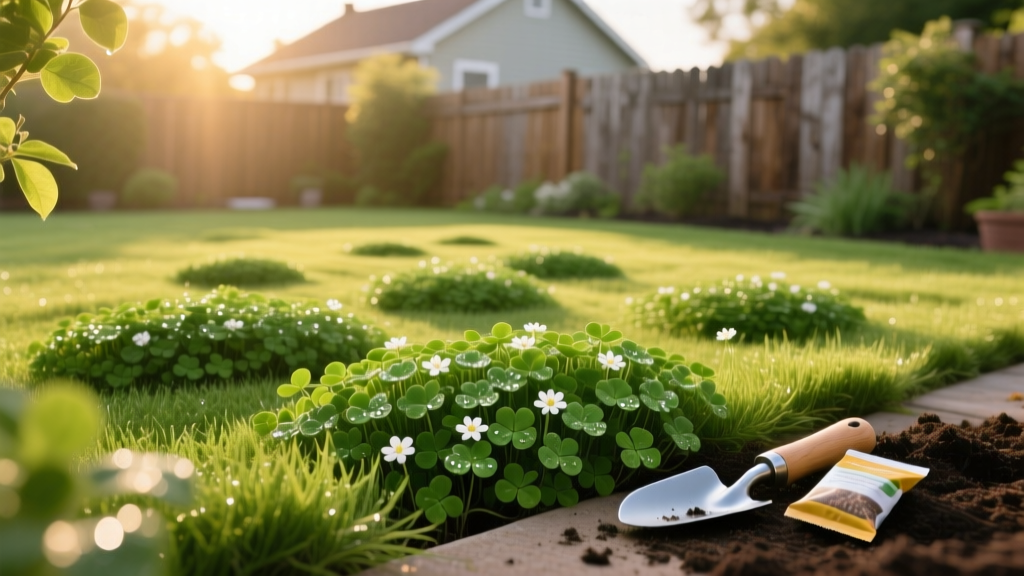
The Viral Clover Lawn Trend: Pros, Cons, and Planting Guide
Robert HayesPublished
The Anatomy of the Viral Clover Lawn Trend
Scroll through TikTok, Instagram Reels, or Pinterest on any given weekend, and you are bound to encounter the latest landscaping obsession taking the internet by storm: the clover lawn. Once dismissed as a stubborn broadleaf weed by mid-century lawn care purists, clover is experiencing a massive renaissance. Influencers and eco-conscious homeowners alike are showcasing lush, emerald-green yards that require a fraction of the water, fertilizer, and mowing time of traditional turfgrass. But before you grab a shovel and rip out your existing Kentucky Bluegrass or Tall Fescue, it is crucial to separate viral hype from horticultural reality. Is a clover lawn the ultimate sustainable landscaping hack, or is it a high-maintenance headache disguised as an eco-friendly dream? In this comprehensive guide, we will break down the science, the costs, and the step-by-step process of installing a clover lawn, ensuring you have all the facts before joining the viral green revolution.
Why Clover is Taking Over Social Media
The sudden explosion of clover lawns on social media is not just an aesthetic trend; it is a direct response to rising environmental concerns and the increasing cost of lawn maintenance. According to the Environmental Protection Agency (EPA), landscape irrigation accounts for nearly one-third of all residential water use in the United States, totaling nearly 9 billion gallons per day. As drought restrictions become more common and water bills skyrocket, homeowners are desperately seeking drought-tolerant alternatives. Clover, particularly white clover (Trifolium repens), possesses a deep root system that allows it to remain vibrant and green even during the peak heat of summer, requiring significantly less supplemental irrigation.
Furthermore, clover is a legume, meaning it has a symbiotic relationship with Rhizobium bacteria in the soil. This relationship allows the plant to pull nitrogen directly from the atmosphere and fix it into the soil, acting as a natural, slow-release fertilizer. This eliminates the need for synthetic nitrogen fertilizers, saving homeowners hundreds of dollars annually while preventing toxic chemical runoff from entering local watersheds.
Dutch White vs. Microclover: Choosing the Right Variety
When you decide to join the clover lawn trend, you will quickly realize that not all clovers are created equal. The two most popular varieties discussed in viral landscaping videos are Dutch White Clover and Microclover. Understanding the differences between these two is critical to achieving the specific aesthetic and functional results you desire for your outdoor living space.
Dutch White Clover is the classic variety you likely remember from childhood. It features larger leaves, grows slightly taller, and produces abundant, highly fragrant white flowers that are absolute magnets for bees and other beneficial pollinators. Organizations like The Xerces Society emphasize the importance of providing diverse forage for declining pollinator populations, making Dutch White an excellent choice for eco-warriors who want to support local bee populations. However, those same flowers can be a hazard if you have young children who prefer to run barefoot in the yard.
Microclover, on the other hand, is a specially bred, dwarf variety of white clover. It features significantly smaller leaves, grows much closer to the ground, and produces far fewer flowers. It blends seamlessly with traditional turfgrass and creates a dense, carpet-like effect that mimics the look of a high-end, manicured golf course lawn without the intense chemical regimen.
| Feature | Dutch White Clover | Microclover (Pipolina) |
|---|---|---|
| Leaf Size | Medium to Large | Very Small, Delicate |
| Flower Production | High (Attracts Bees) | Low to Moderate |
| Mowing Requirement | Monthly (to remove flowers) | Rarely Needed |
| Cost per Pound | $15 - $25 | $40 - $60 |
| Best Use Case | Pollinator Gardens, Rural Yards | Urban Lawns, High Traffic Areas |
Step-by-Step Guide to Planting a Clover Lawn
1. Site Preparation
The secret to a successful clover lawn lies entirely in the site preparation. Clover seeds are incredibly tiny, and they require direct soil contact to germinate. If you attempt to simply broadcast clover seed over an existing, thick turfgrass lawn, you will be sorely disappointed by the sparse, patchy results. For a pure clover lawn, you must first eradicate the existing vegetation. You can achieve this through solarization (covering the lawn in clear plastic for 4-6 weeks during the hottest part of summer), using a non-selective herbicide, or mechanically removing the sod using a rented sod cutter. Once the old lawn is gone, till the top two inches of soil to relieve compaction. As noted by Oregon State University Extension, white clover thrives in poor soils but requires a relatively neutral pH. Test your soil and amend it with lime if the pH is below 6.0. Rake the area completely smooth, removing all rocks, roots, and debris, and finish by rolling the soil with a water-filled lawn roller to create a firm, level seedbed.
2. Seeding Techniques
Timing is everything. The optimal windows for planting clover are early spring (once soil temperatures consistently reach 50 degrees Fahrenheit) or early fall (at least six weeks before your first expected hard frost). Because clover seed is so fine, it is notoriously difficult to spread evenly using a standard rotary spreader. The best viral hack for even distribution is to mix your clover seed with dry sand or fine sawdust at a ratio of one part seed to four parts sand. For a pure clover lawn, the recommended seeding rate is 2 to 3 pounds per 1,000 square feet. If you are simply overseeding an existing thin lawn to create a grass-clover hybrid mix, reduce the rate to 1 pound per 1,000 square feet. Broadcast the seed-sand mixture evenly across the prepared soil, and then lightly drag a leaf rake or a piece of chain-link fence over the area to barely cover the seeds. Do not bury them; clover needs light to germinate.
3. Watering and Germination
Immediately after seeding, water the area gently using a fine mist sprinkler head so you do not wash the seeds away. For the first two to three weeks, you must keep the top inch of soil consistently moist. This typically requires watering for 10 to 15 minutes, two to three times a day, depending on your local climate and sun exposure. You should see germination within 7 to 14 days.
The Reality Check: Pros and Cons of Clover
Once established, the maintenance of a clover lawn is where the viral trend truly delivers on its promises. You can entirely throw away your synthetic fertilizers. Clover will feed itself and any surrounding grasses. However, there are a few caveats that social media influencers often gloss over.
- The Herbicide Problem: Clover is highly susceptible to broadleaf weed killers. If you or your neighbors use chemical herbicides like 2,4-D or dicamba to target dandelions, you will instantly kill your clover lawn.
- Foot Traffic Tolerance: While clover is surprisingly drought-tolerant once established, it does not handle heavy, concentrated foot traffic as well as high-end turfgrasses like Bermuda or Zoysia. If you have large dogs that run the exact same path along the fence line, clover may wear down to bare dirt in those specific high-traffic zones.
- Staining: Clover can stain clothing if you kneel on it while it is wet, which is a minor annoyance for avid gardeners.
- Winter Dormancy: In colder hardiness zones (Zones 4 and below), clover will turn brown and go dormant during the winter months, unlike some cool-season grasses that retain color.
Cost Breakdown: Clover Seed vs. Traditional Sod
Let us look at the financial breakdown of installing a 5,000-square-foot clover lawn compared to traditional sod. High-quality Kentucky Bluegrass sod, including delivery and professional installation labor, can easily cost between $0.80 and $1.50 per square foot, totaling $4,000 to $7,500 for a 5,000-square-foot yard. In stark contrast, seeding a pure Microclover lawn requires about 10 to 15 pounds of seed. At an average cost of $50 per pound, your total seed investment is roughly $500 to $750. Even when factoring in the cost of renting a sod cutter ($150) and a lawn roller ($50), the DIY clover lawn installation comes in at under $1,000, representing an 80 percent savings over traditional sod.
Final Verdict
The viral clover lawn trend is not just a fleeting internet fad; it is a legitimate, scientifically backed shift toward sustainable, eco-friendly landscaping. By choosing the right variety for your lifestyle, meticulously preparing your soil, and embracing a chemical-free maintenance routine, you can cultivate a stunning, resilient lawn that saves you time, money, and water while supporting the local ecosystem. Whether you opt for the pollinator-friendly Dutch White or the manicured look of Microclover, this viral landscaping hack is well worth the hype.

