
Landscaping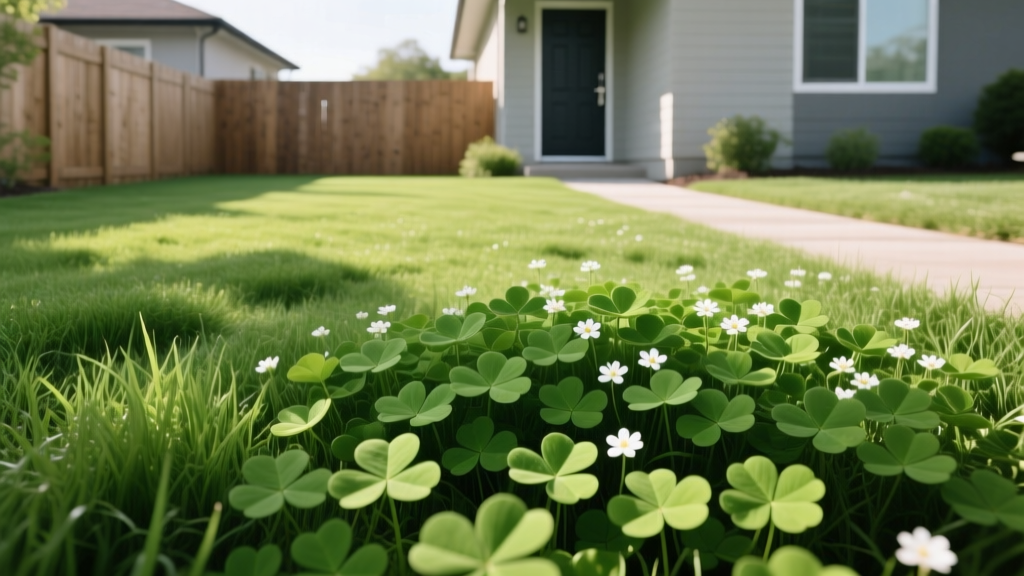
The Viral Clover Lawn Trend: Costs, Care, and Planting Tips
Sarah ChenPublished
The Viral Clover Lawn: Eco-Friendly Trend or Yard Nightmare?
If you have spent any time on TikTok, Instagram, or Pinterest over the last year, you have likely seen the 'clover lawn' trend taking over the landscaping world. Homeowners are ditching their high-maintenance, water-thirsty Kentucky Bluegrass and Fescue lawns in favor of lush, green, pollinator-friendly clover. But is this viral landscaping idea a sustainable solution for your yard, or just a fleeting social media fad?
As a landscaping alternative, clover offers undeniable benefits: it fixes its own nitrogen, requires a fraction of the water that traditional turf needs, and stays green even during the peak of summer droughts. According to the United States Environmental Protection Agency (EPA), outdoor water use accounts for nearly 30% of total household water consumption, with landscape irrigation being the primary culprit. Transitioning to a drought-tolerant clover lawn is one of the most impactful ways to reduce your water footprint while boosting local biodiversity and cutting down on weekend yard work.
Micro-Clover vs. White Dutch Clover: Which Should You Plant?
When diving into the clover trend, you will quickly realize there are two main players: White Dutch Clover and Micro-Clover. Choosing the right variety is critical for achieving the aesthetic and functional results you desire for your specific landscape.
| Feature | White Dutch Clover | Micro-Clover (Pirouette/Pipolina) |
|---|---|---|
| Leaf Size | Large (up to 1 inch) | Very small (less than 0.5 inch) |
| Flowering | Produces prominent white flowers | Rarely flowers, especially when mowed |
| Growth Habit | Aggressive, spreads via stolons | Dense, compact, less aggressive |
| Mowing Height | 2 to 3 inches | 1.5 to 2 inches |
| Best Use Case | Rural areas, large properties, pollinator gardens | Suburban lawns, high-traffic areas, formal yards |
For most suburban homeowners jumping on the viral trend, Micro-Clover is the superior choice. It mimics the look of a traditional turfgrass lawn much more closely and produces fewer flowers, which drastically reduces the risk of bee stings for barefoot children and pets playing in the yard.
Cost Breakdown: Clover vs. Traditional Turfgrass
One of the main drivers of the clover lawn trend is long-term cost savings. While the initial site preparation might cost a bit more if you are killing off existing grass, the ongoing maintenance costs plummet. Here is a comparison of estimated annual costs per 1,000 square feet.
| Expense Category | Traditional Turfgrass | Clover Lawn |
|---|---|---|
| Watering (Summer) | $15.00 - $30.00 | $0.00 - $5.00 |
| Nitrogen Fertilizer | $10.00 - $20.00 | $0.00 (Fixes own nitrogen) |
| Herbicides/Pesticides | $15.00 - $25.00 | $0.00 (Naturally chokes out weeds) |
| Mowing Fuel/Wear | $10.00 - $15.00 | $5.00 (Requires less frequent mowing) |
| Total Annual Cost | $50.00 - $90.00 | $5.00 - $10.00 |
Furthermore, the Xerces Society for Invertebrate Conservation highlights that reducing chemical fertilizers and herbicides in residential lawns is vital for protecting local pollinator populations and preventing toxic runoff into municipal water systems. By switching to clover, you are investing in a healthier local ecosystem while keeping your hard-earned money in your wallet.
How to Plant a Clover Lawn: Two Approaches
You do not necessarily have to rip out your entire yard to join the clover movement. You can either overseed your existing lawn or do a complete renovation. Both methods have their merits depending on your budget and timeline.
Method 1: Overseeding (The Easy Transition)
Overseeding introduces clover into your existing grass, creating a drought-resistant, nitrogen-fixing blend. This is the most popular method for homeowners who want a low-effort transition without dealing with bare dirt.
- Timing: Early fall or early spring when soil temperatures are consistently between 50°F and 65°F.
- Preparation: Mow your existing grass extremely short (about 1 inch) and rake out all thatch to expose the soil surface.
- Seeding Rate: Mix 2 to 3 ounces of micro-clover seed with 1 cubic foot of dry sand or compost to ensure even distribution. Broadcast over 1,000 square feet.
- Watering: Keep the top inch of soil consistently moist for 10 to 14 days until germination occurs. Light, frequent watering is key.
Method 2: Complete Renovation (The Pure Clover Look)
If you want a 100% clover lawn, you will need to kill the existing turf. This requires more labor but results in a stunning, uniform, eco-friendly carpet.
- Smother the Grass: Lay down overlapping layers of cardboard over your existing lawn and cover with 2 inches of organic compost. Wait 4 to 6 weeks for the grass to die and decompose.
- Till and Rake: Lightly till the top 2 inches of soil and rake it perfectly smooth, removing any rocks, roots, or debris.
- Sow the Seed: Apply pure micro-clover seed at a rate of 1 to 2 pounds per 1,000 square feet. Use a broadcast spreader on the lowest setting, or mix with sand for hand-casting.
- Press and Water: Clover seed needs light to germinate. Do not bury it deeper than 1/8 of an inch. Use a lawn roller to press the seed into the soil, then mist daily.
Maintenance Tips for a Thriving Clover Lawn
Clover is incredibly resilient, but it still requires some basic care to look its best and avoid common landscaping pitfalls. According to the University of Maryland Extension, clover's deep taproots also help aerate compacted soil naturally, reducing the need for mechanical core aeration over time. Here is how to maintain your new lawn:
- Mowing: Set your mower blade to 2 inches. Mowing actually encourages micro-clover to spread laterally and produce smaller, denser leaves, which gives it a traditional lawn appearance.
- Weed Control: Because clover is a broadleaf plant, you cannot use standard broadleaf weed killers (like 2,4-D), or you will kill your lawn. Instead, rely on the clover’s dense growth habit to naturally choke out dandelions and crabgrass. Hand-pull any stubborn invaders.
- Soil pH Management: Clover thrives in soil with a pH between 6.0 and 7.0. If your soil is highly acidic, apply pelletized lime in the fall to raise the pH and ensure the clover can effectively fix nitrogen.
- Staining: Clover sap can stain clothing more easily than traditional grass sap. If you have kids who frequently slide on the lawn, consider keeping a small 'play zone' of traditional turf or artificial grass.
- Dog Urine Resistance: Unlike Kentucky Bluegrass, which turns yellow and dies when exposed to dog urine, clover is highly resistant to nitrogen burns. This makes it a viral favorite for pet owners.
Is a Clover Lawn Right for You?
The viral clover lawn trend is backed by solid horticultural science and aligns perfectly with the growing 'No Mow May' and sustainable landscaping movements. By partnering with nature rather than fighting it, homeowners can save hundreds of dollars a year on water, fertilizer, and lawn care services. However, it is important to manage your expectations. Clover is not as durable as a sports-turf blend of Bermuda or Ryegrass, meaning it may not hold up to daily, aggressive tackle football games. Furthermore, if you live in a neighborhood with strict HOA rules mandating traditional turfgrass, you may need to present the environmental benefits to your board before planting.
For the eco-conscious homeowner looking to reduce their weekend chore list while supporting local bee populations, transitioning to a micro-clover lawn is one of the smartest, most rewarding landscaping upgrades you can make this year. Whether you choose to overseed a patchy fescue yard or completely renovate your front lawn, the clover trend is here to stay—and your soil, your wallet, and the local pollinators will thank you.

