
Landscaping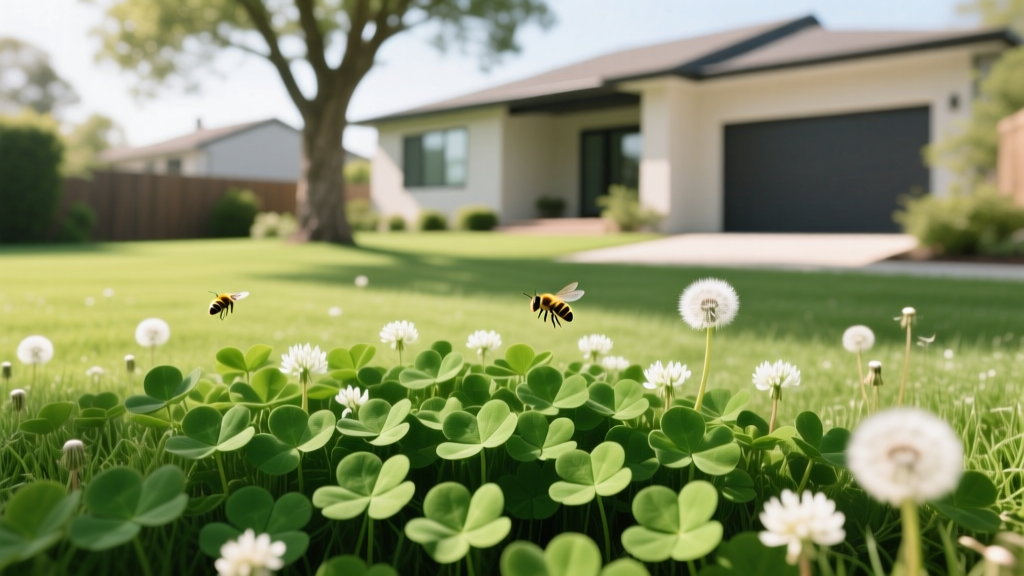
Viral Clover Lawns: The Ultimate No-Mow Landscaping Guide
David ParkPublished
The 'Anti-Lawn' Movement: Why Clover is Taking Over Social Media
Social media has completely transformed how we view our front yards and outdoor living spaces. If you have spent any time on TikTok, Instagram, or Pinterest recently, you have likely encountered the viral #AntiLawn and #CloverLawn hashtags. Homeowners and landscape designers are actively ripping out water-thirsty Kentucky Bluegrass and replacing it with lush, sustainable, and low-maintenance groundcovers. According to NPR's coverage on the anti-lawn movement, this shift is largely driven by climate change awareness, municipal water restrictions, and a desire to reduce weekend yard work.
But is a clover lawn just a fleeting internet trend, or is it a legitimate, long-term landscaping solution? As a senior landscaping expert, I can tell you that clover is here to stay. It offers a brilliant combination of curb appeal, ecological benefits, and cost savings. In this comprehensive guide, we will break down everything you need to know about planting, maintaining, and budgeting for a viral no-mow clover lawn.
Micro-Clover vs. White Dutch Clover: Which Should You Choose?
Before you order seeds, you must understand that not all clover is created equal. The two most popular varieties for residential landscaping are White Dutch Clover and Micro-Clover. White Dutch Clover is the classic variety you likely remember from childhood—it grows a bit taller, produces beautiful white flowers that attract bees, and requires occasional mowing to keep it looking tidy. Micro-Clover, on the other hand, is a specially bred dwarf variety that stays incredibly low to the ground, flowers much less frequently, and blends seamlessly with existing turfgrass if you choose to overseed.
| Feature | Micro-Clover | White Dutch Clover | Traditional Turfgrass |
|---|---|---|---|
| Mowing Frequency | Rarely (True No-Mow) | Monthly (For aesthetics) | Weekly in Summer |
| Water Requirements | Very Low | Low to Moderate | High (1-1.5 inches/week) |
| Nitrogen Fixing | Yes (Self-fertilizing) | Yes (Self-fertilizing) | No (Requires synthetic N) |
| Flower Production | Minimal | Abundant (Attracts bees) | None |
| Seed Cost (per 1,000 sq ft) | $15 - $25 | $4 - $8 | $10 - $20 |
| Heavy Foot Traffic Tolerance | Moderate | Moderate | High |
Step-by-Step Guide to Planting a Viral Clover Lawn
Transitioning to a clover lawn is not as simple as tossing seeds onto your existing dirt. To achieve the dense, carpet-like look seen on viral landscaping reels, you need a strategic approach.
1. Timing Your Planting
The optimal time to plant clover is in the early fall (about 4 to 6 weeks before your first hard frost) or in the early spring once the danger of frost has passed and soil temperatures reach at least 50°F. Fall planting is generally preferred because it gives the clover a head start to establish a deep root system before the heat and weed pressure of summer arrive.
2. Soil Preparation and Testing
Clover thrives in slightly acidic to neutral soil with a pH between 6.0 and 7.0. Purchase a basic soil test kit from your local garden center or extension office. If your soil is highly compacted, you must core aerate the lawn. Renting a walk-behind core aerator from a home improvement store for a half-day (usually around $70-$90) will drastically improve seed-to-soil contact. Remove existing thatch using a dethatching rake or power dethatcher, and top-dress the area with a thin layer (about 1/4 inch) of screened compost to provide a nutrient-rich bed for germination.
3. Seeding Rates and Product Recommendations
For a pure clover lawn, the standard seeding rate is 1 to 2 pounds of seed per 1,000 square feet. Because clover seeds are incredibly tiny, they are difficult to spread evenly with a standard rotary spreader. Viral Landscaping Hack: Mix your clover seeds with dry masonry sand or vermiculite at a 1:4 ratio. This adds bulk, allowing you to use a broadcast spreader on a low setting or spread it evenly by hand.
Top Product Picks:
- Outsidepride Miniclover: The gold standard for pure, dwarf micro-clover lawns. Excellent for high-end curb appeal.
- Jonathan Green Black Beauty Clover Mix: Great if you want to mix clover with drought-tolerant fescues for a more traditional look with built-in nitrogen benefits.
- Scotts Turf Builder White Clover: A widely available, budget-friendly option for overseeding existing patchy grass.
4. Watering and Early Care
Clover seeds must remain consistently moist to germinate, which typically takes 7 to 14 days. Water the seeded area lightly 2 to 3 times a day for about 5 to 10 minutes each session. Once the seedlings reach 2 inches tall, reduce watering frequency but increase the duration to encourage deep root growth. Avoid applying any chemical herbicides or high-nitrogen synthetic fertilizers during this establishment phase.
Cost Breakdown: Clover vs. Traditional Grass
While the upfront cost of micro-clover seed can be higher than generic grass seed, the long-term ROI (Return on Investment) is staggering. According to EPA WaterSense guidelines on outdoor water conservation, the average American family uses 320 gallons of water per day, with roughly 30% devoted to outdoor uses, primarily landscape irrigation. By switching to a clover lawn, you can reduce your outdoor water usage by up to 75%.
Furthermore, clover is a legume, meaning it possesses the unique ability to fix atmospheric nitrogen into the soil through a symbiotic relationship with Rhizobium bacteria. This natural fertilization process eliminates the need for synthetic nitrogen fertilizers, saving the average homeowner $150 to $300 annually in lawn care chemicals and professional application fees. When you factor in the time and gas saved by not mowing every weekend, a clover lawn pays for itself within the first two growing seasons.
Environmental Impact and Pollinator Benefits
One of the most compelling reasons landscaping professionals are embracing the clover trend is its profound ecological impact. Traditional turfgrasses are essentially monoculture deserts that offer zero sustenance to local wildlife. Clover, conversely, is a powerhouse for biodiversity. Research from the University of Minnesota Extension on white clover lawns highlights that clover flowers provide essential nectar and pollen for native bees, honeybees, and beneficial predatory insects that help control garden pests naturally.
By integrating clover into your landscape design, you are actively participating in the conservation of declining pollinator populations. If you are concerned about bee stings in high-traffic play areas, simply opt for Micro-Clover, which rarely flowers, or commit to giving your White Dutch Clover a quick mow right before you host outdoor family gatherings.
Potential Drawbacks to Consider
No landscaping solution is perfect, and it is important to be aware of the limitations of a clover lawn before committing:
- Staining: Clover sap can stain clothing and fabric more easily than traditional grass, which is something to consider if you have young children who play on the lawn.
- Wear and Tear: While clover recovers well from moderate foot traffic, it does not possess the same sheer structural durability as a heavily managed sports-turf Kentucky Bluegrass or Bermuda grass. It is not ideal for competitive sports fields.
- Herbicide Sensitivity: If you are used to spraying broadleaf weed killers (like 2,4-D) to kill dandelions, you cannot use these on a clover lawn. Clover is a broadleaf plant, and standard turf herbicides will kill it. Weed management must be done manually or through organic pre-emergents like corn gluten meal.
Final Thoughts on the Viral Trend
The viral clover lawn is much more than a fleeting social media aesthetic; it represents a fundamental paradigm shift in sustainable residential landscaping. By trading in your high-maintenance, chemical-dependent turfgrass for a resilient, nitrogen-fixing, and drought-tolerant clover lawn, you are investing in a greener future—both for your wallet and the environment. Whether you choose to fully replace your yard with Micro-Clover or simply overseed your existing fescue to reduce fertilizer costs, this trending landscaping strategy delivers undeniable, long-lasting value.

