
Landscaping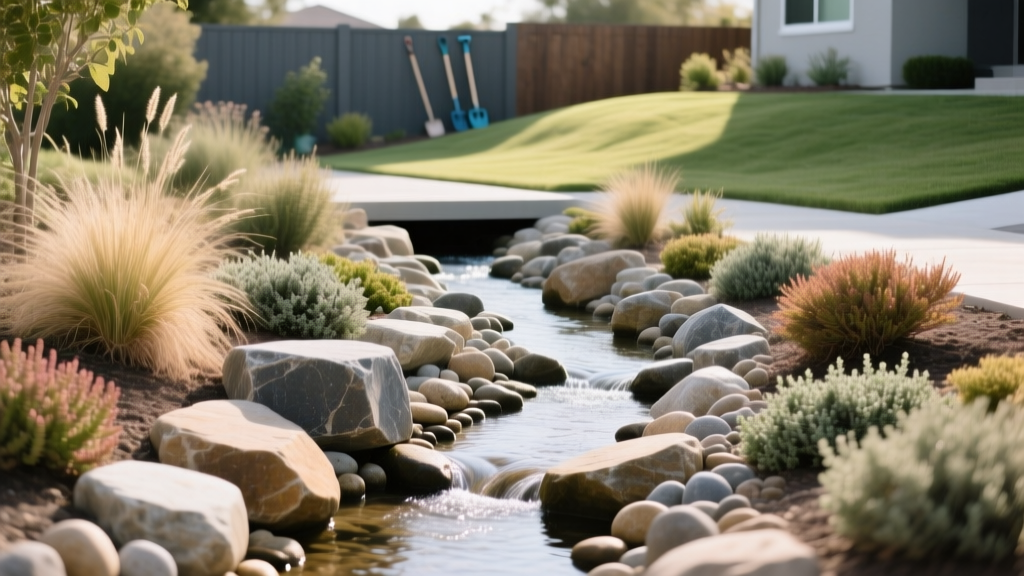
Viral Dry Creek Beds: DIY Landscape Drainage Solutions
Sarah ChenPublished
The TikTok Trend Solving Real Yard Drainage Problems
The TikTok and Instagram Reels algorithms have recently crowned a new landscaping champion: the dry creek bed. While viral videos make the transformation look like a weekend breeze, the reality is that a dry creek bed is a serious hardscaping and drainage solution disguised as an aesthetic garden feature. If you are dealing with a soggy lawn, standing water near your foundation, or an unsightly erosion gully, this trending landscape design might be your ultimate fix.
In this comprehensive guide, we will break down the exact measurements, material costs, and step-by-step installation techniques you need to build a functional, camera-ready dry creek bed in your own yard.
What is a Dry Creek Bed?
A dry creek bed, sometimes called a dry stream bed, is a shallow, meandering trench lined with heavy-duty landscape fabric, gravel, river rock, and natural boulders. During dry weather, it serves as a beautiful, low-maintenance xeriscape or hardscape feature that adds texture and curb appeal to your property. However, during heavy rainfall, it acts as a highly efficient French drain alternative, channeling excess stormwater away from vulnerable areas of your landscape and home foundation.
According to the Environmental Protection Agency (EPA), integrating green infrastructure and permeable landscape features is one of the most effective ways to manage residential stormwater runoff, reduce soil erosion, and prevent local waterway pollution. Unlike solid concrete channels or buried PVC pipes, a dry creek bed allows water to slowly percolate into the surrounding soil while safely directing the bulk of the flow to a designated discharge area, such as a rain garden or a municipal storm drain.
Planning Your Route: Slopes, Swales, and Permits
Before you grab a shovel, you must map out the hydrology of your yard. Water follows the path of least resistance, and your dry creek bed needs to work with gravity, not against it.
Calculating the Slope
For a dry creek bed to drain effectively, it requires a minimum slope of 1 inch of drop for every 4 feet of horizontal length. If your yard is entirely flat, you will need to dig a deeper trench at the discharge end or incorporate a hidden underground PVC catch basin to move the water to a lower elevation. Consider incorporating a dry well at the terminus of your creek bed if municipal discharge is not an option.
Designing the Meander
Nature rarely flows in a straight line. To achieve that viral, naturalistic look, design your creek bed with gentle curves, varying widths, and occasional eddies (wider pools where water would naturally slow down). A standard residential dry creek bed is between 12 and 24 inches wide, widening to 36 inches at the curves.
Pro Tip: Always call 811 before you dig. This free service will mark underground utility lines, preventing catastrophic damage to gas, water, or fiber-optic lines. Furthermore, check your local municipal codes regarding stormwater discharge; it is generally illegal to redirect runoff directly onto a neighbor's property.
Materials and Cost Breakdown
To build a dry creek bed that lasts decades without washing out, you need the right materials. Below is a comparison chart of the essential hardscaping materials, estimated costs, and their specific functions in the build.
| Material | Specifications | Average Cost | Purpose |
|---|---|---|---|
| Woven Geotextile Fabric | 4 oz to 6 oz heavy-duty woven | $0.50 - $0.80 / sq ft | Prevents weed growth and stops soil from mixing with the rocks. |
| Base Gravel | 3/4-inch crushed angular gravel | $30 - $50 / ton | Provides a stable, draining foundation beneath the decorative rocks. |
| Decorative River Rock | 1-inch to 3-inch rounded stones | $60 - $120 / ton | The primary visual layer that mimics a natural stream bed. |
| Focal Boulders | 12-inch to 24-inch natural stone | $100 - $250 / ton | Anchors the design, creates eddies, and prevents rock displacement. |
| Landscape Edging Pins | 6-inch steel or heavy plastic stakes | $15 / box of 50 | Secures the landscape fabric tightly to the soil walls. |
Note: For a standard 30-foot long, 2-foot wide dry creek bed, expect to spend between $300 and $600 on materials if sourcing locally from a landscape supply yard. Buying bagged rocks from big-box stores will triple your costs. When purchasing river rock, ask your supplier for washed river rock. Unwashed rock comes covered in stone dust and fines, which will immediately turn into a muddy mess during the first rainstorm and clog your landscape fabric.
Step-by-Step DIY Installation Guide
Step 1: Excavating the Trench
Mark your curved design using a garden hose or landscaping spray paint. Begin digging your trench to a depth of 6 to 8 inches. Pile the excavated soil on the outside edges to build up subtle berms. These berms will help contain heavy water flow and provide excellent, well-drained planting zones for your bank vegetation. Ensure you maintain your 1-inch-per-4-feet downward slope toward your discharge zone.
Step 2: Tamping and Laying the Foundation
Once the trench is dug, use a hand tamper to compact the soil floor. This prevents future sinking. Next, unroll your woven geotextile landscape fabric. Do not use cheap, non-woven plastic weed barriers; they will trap water, tear under the weight of the rocks, and eventually fail. Run the fabric up and over the berms, securing it every 12 inches with landscape pins. Overlap any seams by at least 6 inches.
Step 3: Placing the Boulders
Before pouring in the small rocks, place your large focal boulders. In viral landscaping designs, boulders are strategically placed on the outside edges of the curves (where water velocity is highest in nature) and partially buried in the soil to look like natural outcroppings. Leave gaps between boulders to create planting pockets.
Step 4: Adding the Base and River Rock
Add a 2-inch layer of crushed base gravel over the fabric to aid in deep drainage. Finally, pour your 1-to-3-inch decorative river rock over the base layer, aiming for a depth of 2 to 3 inches. Rake the stones to distribute them evenly, ensuring the landscape fabric is completely hidden.
Common Dry Creek Bed Mistakes to Avoid
Even with the best intentions, DIY landscapers often make a few critical errors that ruin the functionality and aesthetics of their dry creek beds.
- Using Pea Gravel: Pea gravel is too small and smooth. During heavy rain, it will wash away, migrate into your lawn, and clog your discharge zone. Always use 1-to-3-inch river rock that is heavy enough to stay put.
- Forgetting the Berms: A flat trench with no raised edges will easily overflow during a storm, defeating the purpose of the drainage system. Building up the sides with excavated soil creates a true channel.
- Straight Lines: A perfectly straight trench looks like an artificial drainage ditch. Incorporate sweeping S-curves to mimic nature and slow down the velocity of the rushing water.
- Skipping the Base Layer: Placing expensive river rock directly on the soil or fabric can lead to sinking over time. The crushed gravel base is essential for structural integrity and deep water percolation.
Best Plants for Dry Creek Bed Banks
A dry creek bed looks artificial until it is integrated into the surrounding landscape. Planting the berms and banks with moisture-tolerant and erosion-control plants is crucial. The University of Minnesota Extension highly recommends utilizing native rain garden plants for these transitional zones, as their deep root systems stabilize the soil and filter runoff.
- Ostrich Fern (Matteuccia struthiopteris): Thrives in the moist, shaded berms and adds a lush, prehistoric texture.
- Astilbe: Provides brilliant plumes of pink, red, or white flowers in early summer and tolerates periodic flooding.
- Creeping Jenny (Lysimachia nummularia): A vigorous groundcover that will spill over the edges of the boulders, softening the hardscape lines.
- Switchgrass (Panicum virgatum): A deep-rooted native ornamental grass that holds soil in place and withstands both drought and heavy inundation.
- Hostas: Perfect for shaded creek beds, offering broad, architectural leaves that contrast beautifully with the rounded river stones.
For more region-specific plant recommendations, consult the Missouri Botanical Garden Plant Finder, which allows you to filter by moisture requirements, soil type, and hardiness zone to ensure your bank plantings survive the seasonal extremes.
Maintenance Tips to Keep It Looking Viral
While dry creek beds are famously low-maintenance compared to traditional lawns, they are not entirely set it and forget it. To keep your landscape looking pristine and functioning properly, follow these seasonal maintenance tips:
- Leaf Management: In the fall, use a leaf blower on a low setting to clear dead leaves from the river rock. Decaying leaves will turn into muck, clog the geotextile fabric, and encourage weed seeds to germinate.
- Rock Rinsing: Over time, silt and mud will coat your beautiful river stones, turning them a dull gray. Once a year, use a pressure washer on a wide-fan setting to blast the silt down into the gravel base and out toward the drainage exit.
- Edge Trimming: Keep the surrounding turf or groundcover trimmed back from the edges of the creek bed. If grass creeps over the fabric, it will trap debris and ruin the clean, meandering lines of your design.
- Post-Storm Inspections: After a massive downpour, inspect the curves and boulders. High water velocity can occasionally displace smaller river rocks. Simply rake them back into place and adjust any shifted boulders.
Final Thoughts
The viral dry creek bed is a rare example of a landscaping trend that is as deeply functional as it is visually stunning. By combining smart hydrology, heavy-duty materials, and strategic native planting, you can permanently solve your yard's drainage issues while creating a breathtaking focal point that elevates your home's curb appeal. Whether you are dealing with a minor soggy patch or a major erosion swale, rolling up your sleeves and building a dry stream bed is a weekend project that pays dividends for decades.

