Gardening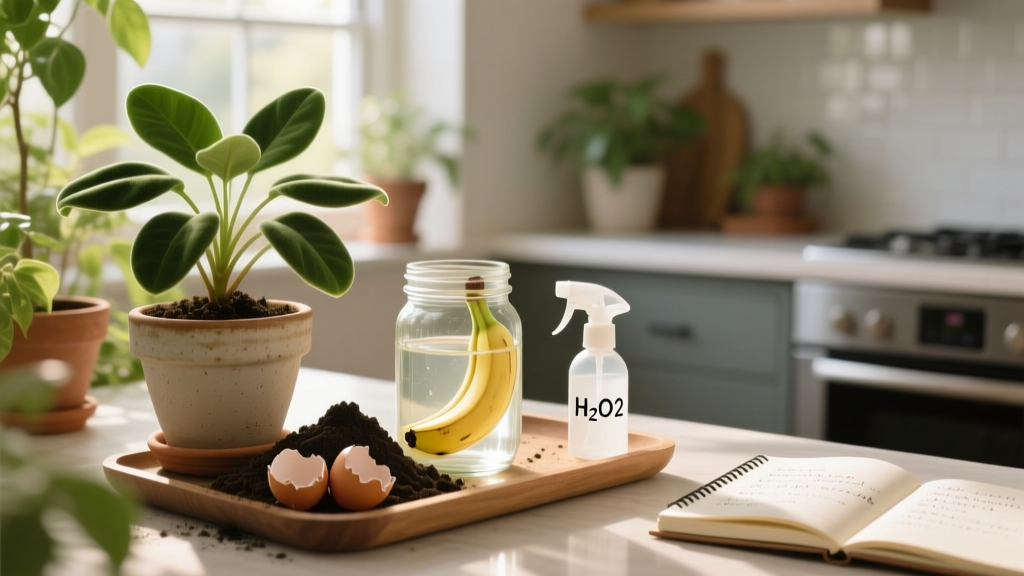
Viral Gardening Hacks: Which Social Media Trends Work?
Sarah ChenPublished
The Allure of the Viral Gardening Hack
Every spring, social media feeds flood with time-lapse videos of lush gardens and seemingly miraculous DIY gardening hacks. From burying raw eggs under tomato plants to watering houseplants with banana water, the promise of a thriving garden using only kitchen scraps is undeniably alluring. But as any seasoned horticulturist knows, plants operate on biochemistry, not internet trends. At lawnsguide.com, we believe in separating horticultural fact from viral fiction. In this deep dive, we are putting three of the most popular viral gardening hacks to the test, analyzing the science, the costs, and the practical alternatives that will actually yield a bountiful harvest this season.
Trend 1: Banana Water as a Potassium Fertilizer
The banana water trend involves soaking three or four banana peels in a jar of water for 48 to 72 hours, then using the resulting liquid to water plants. The claim? It provides a massive dose of potassium to encourage blooming and fruiting in tomatoes and houseplants. The reality is far less exciting. While bananas are rich in potassium, the nutrient is bound tightly within the cellular matrix of the peel. Simply soaking peels in water extracts only trace amounts of potassium, alongside a small amount of sugar that can attract fungus gnats and harmful anaerobic bacteria to your soil if fermentation occurs.
To put this in perspective, a commercial liquid kelp fertilizer costs around $15 to $20, provides a guaranteed NPK (Nitrogen-Phosphorus-Potassium) ratio, and includes essential micronutrients like magnesium and iron. Making banana water requires purchasing organic bananas (to avoid pesticide residues in the soil), costing roughly $3 to $5 per bunch, and yields an unmeasured, negligible nutrient profile. If your plants are potassium-deficient, a targeted application of sulfate of potash or a certified organic liquid fertilizer will solve the problem in days, not weeks of steeping peels.
Trend 2: Crushed Eggshells for Calcium and Pest Control
Another ubiquitous trend is the use of crushed eggshells as a calcium supplement to prevent blossom end rot in tomatoes and peppers, or as a sharp barrier to deter slugs. According to the extensive research compiled in the Washington State University Extension Horticultural Myths files, eggshells are composed primarily of calcium carbonate. However, calcium carbonate is highly insoluble in water unless the soil is highly acidic. Crushing eggshells by hand and sprinkling them on the soil surface means they will take years, if not decades, to break down and become bioavailable to plant roots.
Furthermore, blossom end rot is rarely caused by a true lack of calcium in the soil; it is almost always a physiological issue caused by uneven watering, which prevents the plant from transporting existing calcium to the developing fruit. As for slug deterrence, gastropods secrete a thick mucus that easily glides over sharp edges. If you absolutely want to use eggshells for calcium, you must grind them into a fine powder using a coffee grinder and dissolve them in white vinegar to create water-soluble calcium acetate. Otherwise, hand-picking slugs or using an iron phosphate-based bait is a proven, effective strategy that actually protects your hostas and lettuce.
Trend 3: Hydrogen Peroxide for Root Rot and Soil Aeration
The third viral hack involves diluting standard 3% hydrogen peroxide (H2O2) at a ratio of one part peroxide to three parts water, using it as a soil drench to cure root rot and oxygenate compacted soil. The theory is that the extra oxygen molecule will suffocate anaerobic pathogens like Pythium while boosting root health. While hydrogen peroxide is a potent oxidizer and is used in commercial hydroponic systems to sterilize equipment, pouring it into your garden soil is a blunt instrument.
It does not discriminate between harmful pathogens and the beneficial mycorrhizal fungi and bacteria that your plants rely on for nutrient uptake. Furthermore, H2O2 degrades rapidly when exposed to UV light and organic matter, often breaking down into plain water and oxygen before it even reaches deep root zones. Repeated applications can effectively sterilize the top layer of your soil, destroying the living soil food web. If you are dealing with root rot, the culprit is almost always poor drainage and overwatering. Amending your soil with perlite, pumice, or high-quality compost to improve aeration is a permanent structural fix, whereas hydrogen peroxide is a temporary, ecologically disruptive band-aid.
Data Table: Viral Hacks vs. Science-Backed Solutions
| Viral Hack | Claimed Benefit | Scientific Reality | Better Alternative |
|---|---|---|---|
| Banana Water | High potassium fertilizer for blooms | Negligible nutrient extraction; attracts pests and mold. | Liquid kelp or sulfate of potash. |
| Crushed Eggshells | Calcium source and slug deterrent | Takes years to decompose; slugs easily bypass sharp edges. | Consistent watering for BER; iron phosphate for slugs. |
| Hydrogen Peroxide | Cures root rot and aerates soil | Kills beneficial soil microbes; degrades too quickly in soil. | Amend soil with perlite and compost for drainage. |
The Foundation of a Thriving Garden: Soil Testing and Composting
Instead of relying on unverified kitchen scrap remedies, successful gardeners focus on the foundational pillars of soil health. The first step is always a comprehensive soil test. The University of Minnesota Extension strongly recommends testing your soil every three to five years to understand your baseline pH and nutrient levels. A soil test removes the guesswork, telling you exactly which amendments are required and preventing the toxic buildup of unnecessary fertilizers.
Secondly, focus on building organic matter through proper composting. The Environmental Protection Agency (EPA) outlines how composting yard waste and appropriate kitchen scraps creates a humus-rich amendment that improves soil structure, water retention, and microbial diversity. Unlike a jar of banana water, a well-managed compost bin recycles nutrients efficiently and provides a slow-release, balanced diet for your entire garden ecosystem. Investing $30 in a proper compost tumbler or building a simple three-bin wooden system will yield dividends in soil health for decades.
Final Thoughts on Internet Gardening Advice
The internet is a wonderful tool for finding plant inspiration and connecting with fellow gardeners, but it is not a substitute for botanical science. While viral gardening hacks are often well-intentioned and visually appealing, they frequently waste time, money, and resources. By skipping the trendy shortcuts and investing in soil testing, targeted fertilization, and high-quality compost, you will build a resilient, productive garden that thrives season after season. Save the banana peels and eggshells for the compost bin, where they belong, and let science guide your gardening journey.
