Gardening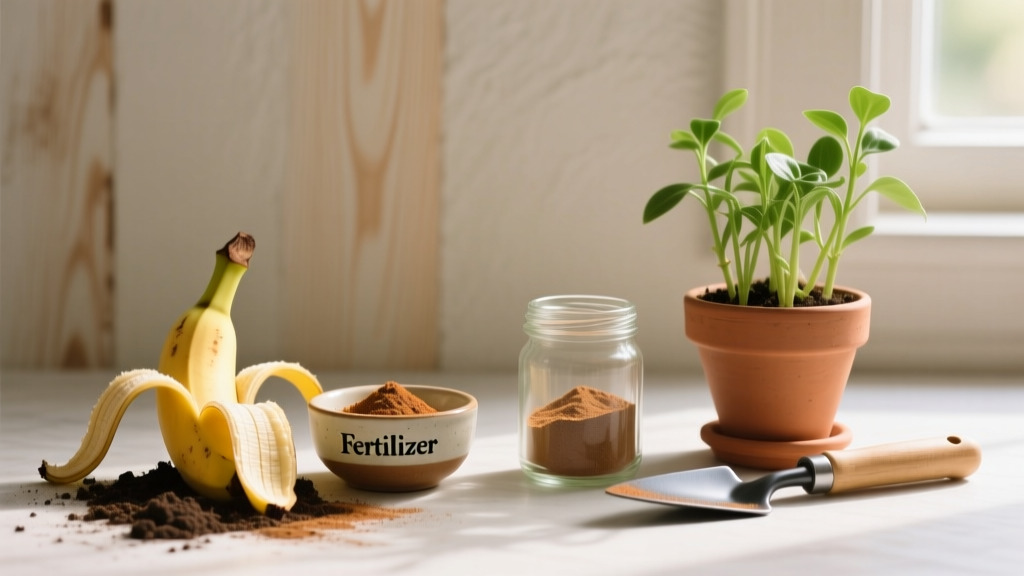
Viral Gardening Hacks Tested: What Works And What Fails
Lisa ThompsonPublished
The Rise of Social Media Gardening Hacks
If you have spent any time on TikTok, Instagram Reels, or YouTube Shorts, you have likely encountered the viral gardening hack. These short-form videos promise miraculous results using common household items, offering quick, free, and seemingly effortless solutions to complex horticultural problems. From using kitchen scraps to create super-fertilizers to sprinkling pantry spices to cure plant diseases, the appeal is obvious. Who wouldn't want to save money and grow healthier plants using items already sitting in their kitchen?
However, the algorithm favors engagement over accuracy. While some of these trending tips are rooted in solid science and ancient agricultural practices, many are oversimplified, ineffective, or even harmful to your garden. As a gardener, it is crucial to separate the botanical facts from the social media fiction. In this article, we are putting three of the most viral gardening hacks to the test, breaking down the science, the costs, and the actionable alternatives you should actually be using in your garden this season.
Hack 1: Banana Peel Water for Fertilizer
The Viral Claim
The trend is everywhere: save your banana peels, chop them up, and soak them in a jar of water for 48 hours. Strain the liquid, dilute it, and use it to water your blooming plants, tomatoes, and roses. The claim is that this 'banana tea' is a potent, potassium-rich liquid fertilizer that will trigger massive blooms and heavy fruit sets.
The Science
Banana peels do indeed contain high levels of potassium, alongside trace amounts of phosphorus, calcium, and magnesium. However, these nutrients are locked tightly within the complex cellulose and lignin structures of the plant's cell walls. A simple 48-hour water soak at room temperature is entirely insufficient to break down these cellular bonds. The resulting liquid contains only a tiny fraction of the available potassium, but it is loaded with extracted sugars and starches. When poured into your soil, these sugars do not feed your plants; instead, they feed harmful bacteria, encourage mold growth, and act as a magnet for fungus gnats and fruit flies.
The Actionable Alternative
If you want to utilize the potassium in banana peels, you must break down the cellular structure through heat or microbial decomposition. According to the Environmental Protection Agency (EPA), composting fruit scraps is the most effective way to break down organic matter into bioavailable nutrients. If you do not have a compost bin, try the oven-drying method:
- Step 1: Preheat your oven to 200°F (93°C).
- Step 2: Place banana peels on a parchment-lined baking sheet and bake for 2 hours until completely brittle.
- Step 3: Grind the dried peels into a fine powder using a coffee grinder or blender.
- Step 4: Mix 2 tablespoons of the powder into the top inch of soil per potted plant, or side-dress your tomato plants every four weeks.
Cost: Free (if you consume bananas) plus a few cents in electricity.
Verdict: Skip the soak. Compost or dehydrate instead.
Hack 2: Cinnamon Powder as a Fungicide and Rooting Hormone
The Viral Claim
Creators frequently recommend sprinkling grocery-store cinnamon powder directly onto the soil surface to kill fungus gnats, prevent 'damping-off' in vulnerable seedlings, and even stimulate root growth on cuttings as a natural rooting hormone.
The Science
The active compound in true cinnamon (Cinnamomum verum) is cinnamaldehyde, which has demonstrated mild antifungal and antimicrobial properties in laboratory settings. However, there are two major issues with this hack. First, the vast majority of cinnamon sold in supermarkets is Cassia cinnamon, which contains significantly lower concentrations of cinnamaldehyde. Second, a light dusting on the soil surface does not penetrate the soil matrix deeply enough to eradicate aggressive soil-borne pathogens like Pythium or Rhizoctonia, which cause damping-off. Furthermore, cinnamon does not contain auxins, the plant hormones required to stimulate root development, making it entirely useless as a rooting hormone.
The Royal Horticultural Society (RHS) emphasizes that damping-off is best managed through environmental controls and strict hygiene rather than unverified home remedies.
The Actionable Alternative
To protect your seedlings and cuttings, rely on proven horticultural practices:
- For Seedlings: Always use a sterile, soilless seed-starting mix. Water from the bottom to keep the soil surface dry, and place a small oscillating fan nearby to ensure good air circulation, which naturally prevents fungal spores from settling.
- For Surface Fungus: Brew a strong batch of chamomile tea, let it cool completely, and mist the soil surface. Chamomile contains naturally occurring sulfur and bisabolol, which are far more effective against surface molds than Cassia cinnamon.
- For Rooting Cuttings: Purchase a commercial rooting hormone powder containing IBA (Indole-3-butyric acid). It costs about $5 and guarantees a vastly higher success rate.
Cost: $4 for grocery cinnamon (ineffective) vs. $6 for a small fan and $5 for IBA powder.
Verdict: Keep the cinnamon in the kitchen. Use sterile media and airflow for seedlings.
Hack 3: Terracotta Spikes and Ollas for Vacation Watering
The Viral Claim
Before going on vacation, insert a hollow terracotta spike into your potted plants and attach an upside-down, water-filled glass wine bottle. Alternatively, bury an unglazed terracotta pot (an olla) next to your outdoor vegetables. The claim is that the clay will magically release water only when the soil is dry, keeping your plants perfectly hydrated for weeks.
The Science
Unlike the previous hacks, this viral trend is deeply rooted in legitimate physics and ancient agricultural history. This method relies on matric potential (soil moisture tension). Terracotta is a porous ceramic. When the surrounding soil is wet, the pores in the clay are blocked by the moisture barrier, and water stays inside the vessel. As the plant's roots absorb water and the soil dries out, the soil's suction force increases, actively pulling water molecule by molecule through the porous clay walls. It is a highly efficient, self-regulating, slow-release irrigation system.
Maintaining consistent soil moisture is particularly critical for fruiting crops. As noted by the Old Farmer's Almanac, inconsistent watering in tomatoes leads to calcium uptake issues, resulting in blossom end rot. Terracotta spikes and ollas provide the steady moisture required to prevent this.
The Actionable Alternative
This hack works beautifully, but proper sizing and installation are key to success.
- For Indoor Potted Plants: Use a 6-inch terracotta watering spike paired with a standard 750ml glass wine bottle. Push the spike at least 3 inches deep into the soil, positioning it near the root zone but avoiding direct contact with the main stem to prevent rot. This setup will keep a 10-inch pot hydrated for 7 to 10 days.
- For Outdoor Raised Beds: Bury a specialized unglazed terracotta olla up to its neck in the center of a 4x4 foot raised bed. Fill it with water and cap the lid to prevent evaporation and mosquito breeding. Refill every 3 to 5 days depending on the heat.
Cost: ~$8 for a 4-pack of terracotta spikes on Amazon; $20-$40 for a dedicated outdoor olla.
Verdict: Highly recommended. A scientifically sound, water-saving irrigation method.
Viral Hack Comparison Chart
To help you quickly decide which social media trends are worth your time, refer to the comparison table below:
| Viral Hack | Est. Cost | Efficacy Rating | Best Alternative | Final Verdict |
|---|---|---|---|---|
| Banana Peel Water | Free | 2/10 | Composting or Oven-Drying | Skip the soak; it attracts pests. |
| Cinnamon Fungicide | $4 (Spice) | 3/10 | Sterile Soil & Oscillating Fans | Ineffective against deep soil pathogens. |
| Terracotta Spikes/Ollas | $8 - $40 | 9/10 | Drip Irrigation Systems | Highly recommended for consistent moisture. |
Final Thoughts on Social Media Gardening Trends
Gardening is an exercise in patience and observation. Nature rarely responds to quick fixes, but it always rewards consistent, scientifically sound care.
The internet is a fantastic tool for discovering new gardening techniques, but it is essential to approach viral hacks with a healthy dose of skepticism. Plants are complex biological organisms that require specific macro and micronutrients, proper environmental conditions, and time to thrive. While the idea of watering your plants with banana tea or curing diseases with a shake of cinnamon is incredibly appealing for a 30-second video, the reality of horticulture requires a bit more effort.
By understanding the science behind why certain methods work—like the matric potential of terracotta clay—you can make informed decisions that actually benefit your garden. Save your kitchen scraps for the compost bin, invest in proper seed-starting equipment, and embrace the slow, rewarding process of growing your own vibrant, healthy plants.
