
Landscaping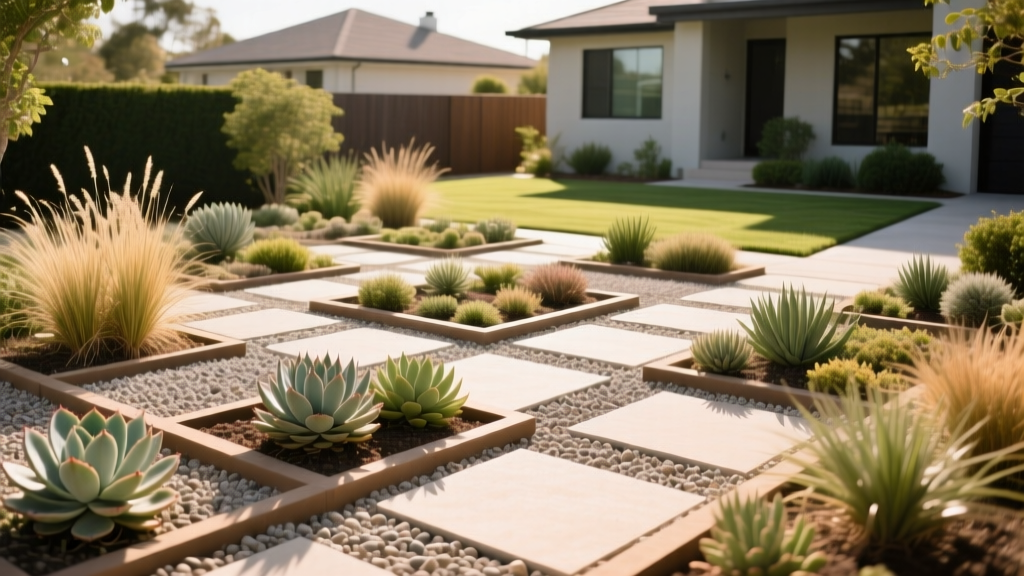
The Viral Gravel Garden Trend: Low-Water Matrix Landscaping Guide
Sarah ChenPublished
The Rise of the Viral Gravel Garden
If you have spent any time scrolling through landscaping TikTok, Instagram reels, or Pinterest boards lately, you have likely witnessed the explosive rise of the anti-lawn movement. Homeowners and landscape designers are ripping out thirsty, high-maintenance turf grass and replacing it with something far more dynamic: the gravel garden. This viral landscaping trend combines the drought-tolerant resilience of xeriscaping with the lush, wild aesthetic of naturalistic planting. According to the Royal Horticultural Society (RHS), gravel gardens are not just a passing fad; they are a vital response to changing climate patterns, offering a sustainable, low-water alternative that supports local ecosystems while drastically reducing weekend chore time.
Unlike the stark, barren rock gardens of the past, today's viral gravel landscapes are vibrant, textured, and teeming with pollinators. They rely on a design technique known as matrix planting, which creates a self-sustaining tapestry of flora that thrives in free-draining, nutrient-poor environments. Whether you are looking to transform a neglected parkway strip, a scorching front yard, or a sloped backyard, this guide will walk you through the viral gravel garden trend and how to execute it in your own landscape.
What is Matrix Planting in a Gravel Landscape?
Matrix planting is a layered design approach popularized by legendary landscape architects like Piet Oudolf and Noel Kingsbury. Instead of planting isolated specimens in bare mulch, matrix planting uses a base layer of structural, ground-covering plants that act as a living mulch. In a gravel garden, this matrix is interplanted with seasonal emergent flowers and ornamental grasses.
The gravel itself plays a crucial role. A thick layer of crushed stone suppresses weeds, retains soil moisture by preventing evaporation, and keeps the crowns of drought-tolerant plants dry, which prevents rot. The result is a garden that looks incredibly modern, moves beautifully in the wind, and requires a fraction of the water and fertilizer of a traditional lawn.
Step-by-Step Guide to Installing a Gravel Matrix Garden
Step 1: Lawn Removal and Soil Prep
The most critical step in any viral landscape transformation is proper site preparation. Do not use chemical herbicides if you want to maintain a healthy soil microbiome. Instead, use the sheet mulching method. Mow the existing grass as short as possible, lay down overlapping layers of uncoated cardboard, and wet it thoroughly. This will smother the turf and eventually decompose, adding organic matter to the soil. For gravel gardens, you actually want relatively poor, well-draining soil. Avoid adding heavy compost or rich topsoil, as this will encourage weed growth and cause drought-tolerant plants to become leggy and flop over.
Step 2: Hardscaping and Edging
Gravel migrates. Without proper edging, your beautiful landscape will spill onto the sidewalk or wash into the street during heavy rains. Install rigid steel or composite landscape edging at least 4 inches deep around the perimeter. If your garden borders a lawn, create a shallow trench edge to catch any wandering stones. For pathways within the garden, use larger flagstones or decomposed granite stabilized with a natural binder to create contrast and structure.
Step 3: The Gravel Base and Planting
The best gravel for planting is 3/8-inch crushed limestone or crushed granite (often called grit or chippings). Avoid smooth river rock or pea gravel, as these do not lock together and make it difficult for plants to establish stable root systems. Spread a 3 to 4-inch layer of gravel over your prepared soil bed. To plant, simply pull back the gravel, dig a hole in the soil, and place your plant. Crucially, wash the potting soil off the roots of your nursery plants before placing them in the ground, and ensure the crown of the plant sits slightly above the gravel line to prevent crown rot.
Top Trending Plants for Gravel Landscapes
To achieve that highly-shareable, naturalistic look, you need plants that thrive in sharp drainage and full sun. Here is a breakdown of the most popular matrix and structural plants trending in modern gravel gardens:
| Plant Type | Top Varieties | Role in Matrix | Water Needs |
|---|---|---|---|
| Ornamental Grasses | Stipa tenuissima (Mexican Feather Grass), Schizachyrium scoparium (Little Bluestem) | Structural Base / Movement | Very Low |
| Perennial Flowers | Echinacea purpurea, Achillea millefolium (Yarrow), Salvia nemorosa | Color / Pollinator Draw | Low |
| Bulbs | Allium 'Purple Sensation', Nectaroscordum siculum | Vertical Accents / Spring Interest | Very Low |
| Groundcover | Thymus serpyllum (Creeping Thyme), Sedum spurium | Living Mulch / Weed Suppression | Low |
| Shrubs | Agastache, Lavandula (Lavender), Perovskia (Russian Sage) | Woody Structure / Fragrance | Very Low |
Cost Comparison: Traditional Turf vs. Gravel Matrix Garden
While the initial installation of a gravel garden can be labor-intensive, the long-term savings on water, mowing, and chemical treatments make it a financially savvy landscaping choice. Below is a projected 5-year cost analysis for a 500-square-foot front yard space:
| Expense Category | Traditional Turf Lawn | Gravel Matrix Garden |
|---|---|---|
| Initial Installation | $500 - $800 (Sod & Soil Prep) | $1,200 - $1,800 (Gravel, Plants, Edging) |
| Annual Watering Costs | $250 - $400 / year | $20 - $50 / year (Establishment only) |
| Maintenance & Mowing | $600 / year (Gas, time, or service) | $0 (No mowing required) |
| Fertilizers & Herbicides | $150 / year | $0 (Detrimental to matrix plants) |
| 5-Year Total Cost | $5,300 - $7,800 | $1,300 - $2,050 |
As the data shows, the gravel garden pays for itself typically within the second or third year, all while elevating your home's curb appeal with a premium, designer aesthetic.
Environmental and Ecological Benefits
The viral appeal of the gravel garden is not just visual; it is deeply rooted in environmental stewardship. According to the Environmental Protection Agency (EPA), outdoor water use accounts for nearly 30% of total household water consumption, with landscape irrigation being the primary culprit. By transitioning to a drought-tolerant gravel matrix, homeowners can reduce their outdoor water use by up to 50-75%.
Furthermore, these gardens are ecological powerhouses. The National Wildlife Federation emphasizes the importance of replacing sterile turf with native and pollinator-friendly plants. A matrix-planted gravel garden provides essential nectar for bees and butterflies, seeds for overwintering birds, and habitat for beneficial ground beetles. By leaving the dried seed heads of plants like Echinacea and ornamental grasses standing through the winter, your garden becomes a vital wildlife corridor in an otherwise concrete-dominated suburban environment.
First-Year Maintenance Calendar
While gravel gardens are famously low-maintenance once established, the first 12 months require some strategic intervention to ensure success.
- Spring (Months 1-3): Water deeply once a week to encourage roots to push through the gravel and into the native soil. Hand-pull any opportunistic weeds that blow in before they can set seed in the gravel layer.
- Summer (Months 4-6): Reduce watering to once every two weeks. Monitor for heat stress, but remember that many Mediterranean and prairie plants naturally go semi-dormant in peak heat. Do not fertilize.
- Autumn (Months 7-9): Stop watering entirely. Allow the plants to dry out and go dormant. Do not cut back dead foliage; the standing stems provide winter interest and protect the plant crowns from freezing rain.
- Winter (Months 10-12): Use a leaf blower on a low setting to gently remove fallen tree leaves from the gravel surface. Leaves can trap moisture and cause the gravel to become compacted and muddy, which harms the plants.
Final Thoughts on the Trend
The viral gravel garden is more than just a social media aesthetic; it represents a fundamental shift in how we view our relationship with the land. By embracing matrix planting and free-draining hardscapes, you are future-proofing your property against drought restrictions, eliminating the noise and pollution of gas-powered mowers, and creating a living, breathing work of art. Whether you start with a small parkway strip or transform your entire front yard, the gravel garden trend offers a beautiful, sustainable path forward for modern landscaping.

