Gardening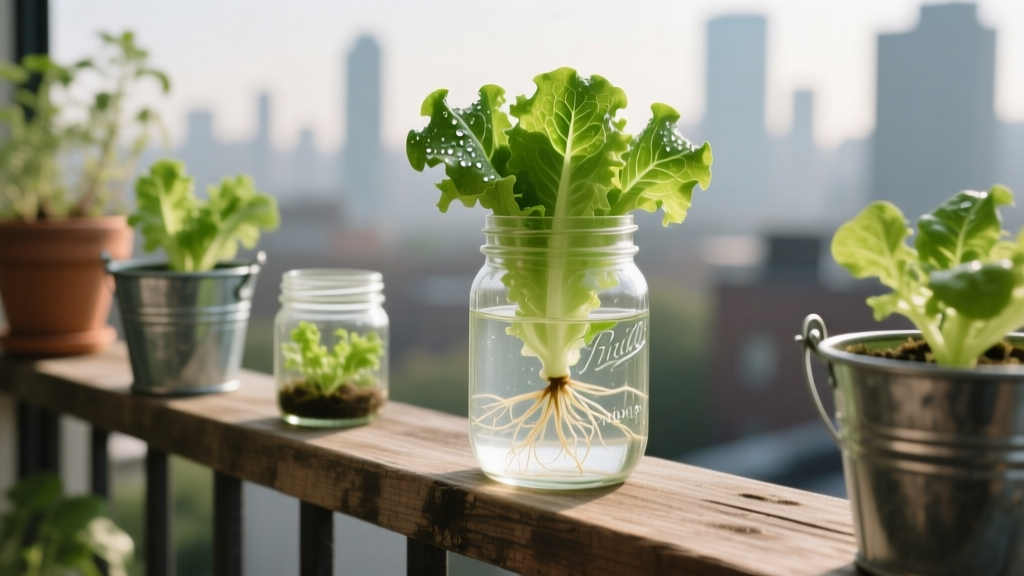
Viral Kratky Hydroponics: Grow Balcony Lettuce for Under $20
Lisa ThompsonPublished
The Viral 'No-Pump' Hydroponic Revolution
If you have spent any time on TikTok, Instagram Reels, or YouTube Shorts lately, you have likely seen time-lapse videos of lush, vibrant lettuce erupting from Mason jars and plastic buckets on tiny apartment balconies. This isn't just a fleeting social media trend; it is a highly effective, science-backed cultivation technique known as the Kratky Method. Originally developed by Dr. Bernard Kratky at the University of Hawaii, this passive hydroponic system requires zero electricity, no air pumps, and minimal maintenance, making it the ultimate viral gardening hack for urban dwellers and beginners alike.
The allure of the Kratky method lies in its brilliant simplicity. Traditional hydroponics often intimidates newcomers with complex plumbing, water chillers, and expensive aeration systems. The Kratky method strips all of that away. By leveraging the natural respiratory needs of plants and the physics of water displacement, you can grow a full head of butterhead or romaine lettuce in about 45 days using less than two gallons of water. In this comprehensive guide, we will separate the horticultural facts from the viral fiction, provide a precise shopping list, and walk you through building your own balcony Kratky system for under $20.
What Exactly is the Kratky Method?
At its core, the Kratky method is a non-circulating, passive hydroponic technique. The plant is suspended in a net cup above a reservoir of nutrient-rich water. However, the crucial secret to its success is the 'air gap.' When you first set up the system, the water level is intentionally kept about one to two inches below the base of the plant's crown. As the plant grows and drinks the water, the water level drops. This dropping level exposes the upper portion of the root system to the humid air inside the container, creating 'air roots' that absorb oxygen, while the lower 'water roots' remain submerged to uptake nutrients and hydration.
'The beauty of the Kratky method is that it is entirely self-regulating. The plant creates its own aeration zone simply by consuming the solution.' — Urban Hydroponics Research Summary
Shopping List & Cost Breakdown
You do not need to buy an expensive, branded 'smart garden' kit to achieve viral-worthy results. Here is a practical, budget-friendly shopping list to build a highly productive 5-gallon bucket system or a multi-jar balcony setup.
| Item | Product Recommendation | Estimated Cost |
|---|---|---|
| Container | 5-Gallon Food-Grade Bucket (with lid) or 32oz Wide-Mouth Mason Jars | $4 - $8 |
| Net Cups | 2-inch or 3-inch slotted hydroponic net cups | $5 (pack of 20) |
| Growing Medium | Hydroton Expanded Clay Pebbles or Rockwool Cubes | $12 (10L bag) |
| Nutrients | Masterblend 4-18-38 + Calcium Nitrate + Epsom Salt | $25 (bulk kit) |
| pH Testing | Apera Instruments AI209 pH Value Tester or liquid drops | $15 - $50 |
| Lighting (Indoor) | Spider Farmer SF1000 or Mars Hydro TSW 2000 LED | $130 (if indoors) |
Step-by-Step: Building Your Balcony Kratky System
Step 1: Germination and Seedling Prep (Days 1-14)
Do not start seeds directly in the clay pebbles. Start your lettuce seeds (Buttercrunch, Salanova, or Black Seeded Simpson are excellent choices) in 1-inch rockwool cubes or rapid rooter plugs. Keep them in a humidity dome under a basic T5 fluorescent or LED shop light for 14 to 18 hours a day. Once the seedlings have developed their second set of true leaves and roots are poking through the bottom of the plug, they are ready for the reservoir.
Step 2: Mixing the Nutrient Solution
According to experts at Michigan State University Extension, maintaining proper electrical conductivity (EC) and pH is the most critical factor in hydroponic success. For leafy greens, fill your 5-gallon bucket with filtered tap water. Add the following Masterblend recipe: 12 grams of Masterblend 4-18-38, 12 grams of Calcium Nitrate, and 6 grams of Epsom Salt (Magnesium Sulfate). Crucial Tip: Always mix the Calcium Nitrate in first, let it dissolve completely, and then add the Masterblend to prevent nutrient lockout. The ideal pH for lettuce is between 5.8 and 6.2. Use a pH up or down solution to adjust as necessary.
Step 3: The 'Air Gap' Assembly
Drill a 2-inch hole in the center of your bucket lid. Insert the net cup filled with rinsed clay pebbles and your seedling. Place the lid on the bucket. The water level should be high enough to just barely touch the bottom of the net cup or sit exactly one inch below it. The capillary action of the clay pebbles and the rockwool will wick moisture up to the roots while they establish themselves. From this point on, you do nothing. No topping off the water, no adding air stones. Let the plant drink until the bucket is empty, which should perfectly coincide with harvest time.
TikTok Hacks vs. Horticultural Reality
Social media is rife with well-intentioned but scientifically flawed gardening advice. Let's debunk a few viral Kratky myths using data from University of Florida IFAS Extension and other horticultural authorities.
- Viral Myth 1: 'Just use compost tea instead of synthetic nutrients.' Reality: Compost tea requires aerobic bacteria to function. In a stagnant, anaerobic water reservoir, compost tea will quickly rot, breed pathogens, and cause severe root rot. Stick to sterile, mineral-based hydroponic nutrients.
- Viral Myth 2: 'Wrap your Mason jars in aluminum foil to block algae.' Reality: Foil tears easily, creates sharp edges, and often leaves microscopic gaps where light penetrates, leading to massive algae blooms that steal oxygen and nutrients. Instead, use Panda Film (black/white poly film) or paint the outside of your containers with dark, non-toxic chalkboard paint.
- Viral Myth 3: 'Add an air stone to make it grow faster.' Reality: Adding an air stone and a pump changes the system from a passive Kratky setup to an active Deep Water Culture (DWC) system. While DWC is great, it defeats the purpose of a zero-electricity, silent, balcony-friendly Kratky garden.
Troubleshooting Common Kratky Issues
Even the simplest systems can encounter hiccups. If your lettuce leaves are turning pale yellow, you likely have a nitrogen deficiency or your pH has drifted above 6.5, locking out iron and magnesium. Research from Cornell University's Controlled Environment Agriculture center notes that leafy greens are highly sensitive to ambient temperature. If your balcony temperatures exceed 80°F (26°C), lettuce will 'bolt' (go to seed) and turn incredibly bitter. To combat this, ensure your reservoir is shaded from direct, scorching afternoon sunlight, as hot water holds less dissolved oxygen and accelerates root rot.
Pest management in a passive system is straightforward. Since you aren't using soil, you eliminate the risk of fungus gnats and soil-borne nematodes. However, aphids and thrips can still blow in from neighboring balconies. Keep a bottle of cold-pressed neem oil and a few yellow sticky traps on hand. Spray the foliage in the evening when the sun is down to prevent leaf burn.
Final Harvesting Tips
The Kratky method allows for a 'cut-and-come-again' harvest if managed correctly. Instead of uprooting the entire plant, use a clean pair of pruning shears to harvest the outer, mature leaves first, leaving the inner crown intact to continue producing. If you are growing a heading variety like Butterhead, wait until day 45, lift the net cup out of the bucket, rinse the clay pebbles, and enjoy a crisp, soil-free salad. The remaining nutrient solution can be safely dumped into your outdoor garden beds or potted houseplants as a fantastic liquid fertilizer. By mastering this viral technique, you transform a tiny patch of concrete into a high-yield, futuristic food source.
