Gardening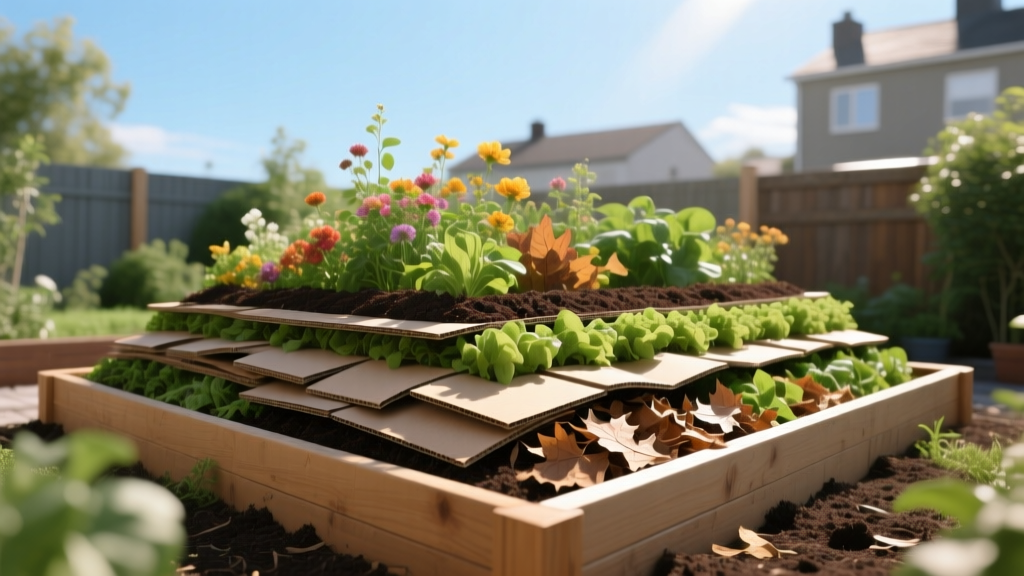
Viral Lasagna Gardening: The Ultimate No-Dig Sheet Mulching Hack
Lisa ThompsonPublished
The Social Media Sensation: Why 'Lazy Gardening' is Taking Over
If you have spent any time on TikTok, Instagram Reels, or YouTube Shorts recently, you have likely encountered the viral 'lazy gardening' trend. Millions of views are being racked up by creators showing how they build lush, high-yield vegetable gardens without ever picking up a shovel or tilling the soil. At the heart of this viral movement is a technique known as lasagna gardening, or sheet mulching. It promises a weed-free, nutrient-dense garden bed built entirely from free, recycled organic materials. But is this internet trend actually backed by horticultural science, or is it just another passing social media fad? The truth is, lasagna gardening is a highly effective, scientifically sound method of soil building that mimics the natural decomposition process of a forest floor. In this comprehensive guide, we will break down the viral lasagna gardening hack, provide a step-by-step blueprint for building your own no-dig beds, and share the insider tips that gardening influencers use to maximize their harvests while minimizing their labor.
What Exactly is Lasagna Gardening?
Lasagna gardening is a no-dig, no-till organic gardening method that results in rich, fluffy soil with very little effort. The term was popularized by Patricia Lanza in her 1998 book, but the underlying principle—sheet mulching—has been used by permaculture practitioners for decades. The name 'lasagna' comes from the way the garden bed is constructed: by layering alternating materials rich in carbon (the 'browns') and nitrogen (the 'greens'), much like the layers of pasta, sauce, and cheese in the classic Italian dish. Over time, these layers break down into a dark, crumbly, loam-like compost that is teeming with beneficial microorganisms. Unlike traditional tilling, which disrupts the soil food web and brings dormant weed seeds to the surface, lasagna gardening preserves the intricate fungal networks and earthworm habitats beneath the soil. According to the Oregon State University Extension, sheet mulching is one of the most effective methods for restoring soil health, suppressing weeds, and retaining moisture in both urban and rural landscapes.
The Science Backing the Viral Trend
Why does this method work so well? The secret lies in the carbon-to-nitrogen (C:N) ratio and the biology of decomposition. When you layer carbon-heavy materials like dry leaves or cardboard with nitrogen-heavy materials like grass clippings or coffee grounds, you create the perfect environment for composting microbes. The United States Environmental Protection Agency (EPA) notes that a balanced C:N ratio is critical for efficient composting, preventing foul odors and accelerating the breakdown of organic matter. As the layers decompose, they generate gentle bottom-up heat, which helps to smother existing grass and weeds below the cardboard barrier. Furthermore, the decaying organic matter acts like a giant sponge, drastically improving the soil's water retention capabilities—a massive benefit for gardeners facing drought conditions or water restrictions.
Step-by-Step: Building Your Viral No-Dig Bed
Ready to build your own viral lasagna bed? Follow this step-by-step guide to transform a patch of weedy grass into a high-yield growing space.
Step 1: Site Selection and Preparation
Choose a location that receives at least six to eight hours of direct sunlight daily. You do not need to remove the existing grass or weeds. Simply mow or string-trim the vegetation as short as possible. This short grass will quickly decompose and add a small boost of nitrogen to your base layer.
Step 2: The Weed Barrier (The Bottom Layer)
Lay down a thick, overlapping layer of plain, uncoated corrugated cardboard. Remove all plastic tape and glossy labels, as these will not decompose and can leach chemicals into your soil. Overlap the edges of the cardboard by at least six inches to prevent stubborn weeds like bindweed or bermudagrass from finding a gap and pushing through. Wet the cardboard thoroughly with a garden hose. This moisture kickstarts the decomposition process and makes the cardboard more attractive to earthworms, which will eventually tunnel up through it to aerate your new bed.
Step 3: Alternating the 'Greens' and 'Browns'
Now, begin building your lasagna layers. Aim for a total bed height of 18 to 24 inches, as the materials will compress significantly as they break down.
- The Green Layer (Nitrogen): Add a 2-to-3-inch layer of nitrogen-rich materials. Viral favorites include free coffee grounds from local cafes, fresh grass clippings, vegetable kitchen scraps, or aged herbivore manure.
- The Brown Layer (Carbon): Add a 4-to-6-inch layer of carbon-rich materials. Use dry autumn leaves, straw, shredded newspaper, or pine needles.
- Repeat: Alternate green and brown layers until you reach your desired height, always finishing with a brown layer on top to prevent nitrogen loss and deter pests like fruit flies.
Step 4: The Compost Cap
The final, crucial layer is a 3-to-4-inch cap of finished compost or high-quality topsoil. This is the layer you will plant directly into while the lower layers continue to decompose beneath the surface.
The Ultimate Layering Cheat Sheet
To ensure your lasagna bed decomposes efficiently without turning into a slimy, anaerobic mess, you must balance your materials. Use this chart to guide your foraging and sourcing.
| Material Type | Examples | C:N Ratio | Viral Sourcing Hack |
|---|---|---|---|
| Nitrogen (Greens) | Coffee grounds, fresh grass clippings, kitchen scraps | 15:1 to 20:1 | Ask local baristas for their spent espresso pucks; they are often bagged and free. |
| Nitrogen (Greens) | Aged manure, alfalfa pellets, composted poultry litter | 10:1 to 25:1 | Check local community boards or farm groups for free alpaca or rabbit droppings. |
| Carbon (Browns) | Dry leaves, straw, shredded cardboard, pine needles | 40:1 to 80:1 | Offer to rake a neighbor's yard in the fall in exchange for keeping the leaf bags. |
| Carbon (Browns) | Wood chips, sawdust, corn stalks | 100:1 to 500:1 | Use the ChipDrop app to get free arborist wood chips delivered to your driveway. |
Timing: When to Build Your Lasagna Bed
The viral gardening community is split on when to build a lasagna bed, but the consensus among horticultural experts is clear: Fall is the ultimate time to build. If you construct your bed in the autumn, the winter rains and freezing/thawing cycles will naturally break down the layers. By the time spring planting arrives, the bed will have shrunk into a rich, dark, plantable loam. However, if you are building in the spring, you must add a thicker top layer of finished compost (at least 6 inches) so you can plant transplants immediately while the lower layers continue to compost.
Planting in Your New No-Dig Bed
One of the most common questions asked on social media is whether you can plant directly into a fresh lasagna bed. The answer is yes, provided you have that thick compost cap. Renowned no-dig expert Charles Dowding advocates for planting directly into surface compost, noting that the undisturbed soil structure below leads to stronger root systems and fewer weed issues. For transplants like tomatoes, peppers, and brassicas, simply dig a small hole through the compost and the cardboard, place the plant, and backfill with compost. The roots will naturally follow the decaying cardboard down into the native soil. For direct-sowing seeds like carrots or radishes, ensure your top compost layer is fine and free of large wood chunks to allow for straight root growth.
Common Viral Mistakes to Avoid
While the internet makes lasagna gardening look foolproof, there are a few pitfalls that can ruin your harvest:
- Using Glossy or Waxed Cardboard: Never use cardboard with a shiny finish, heavy colored inks, or wax coatings (like some produce boxes). These contain microplastics and chemicals that will contaminate your soil food web.
- Skipping the Soak: Failing to thoroughly wet each layer as you build will result in dry pockets that halt decomposition. Your lasagna bed should feel like a wrung-out sponge.
- Walking on the Bed: The primary benefit of no-dig gardening is the prevention of soil compaction. Always design your beds to be no wider than 4 feet so you can reach the center from the paths without ever stepping on the growing medium.
- Using Fresh Wood Chips in the Greens: Wood chips are strictly a 'brown' carbon material. If you mix them deeply into the nitrogen layers, they will tie up the nitrogen in the soil, starving your plants. Keep wood chips on the very top as a mulch.
Final Thoughts on the No-Dig Revolution
The viral lasagna gardening trend is more than just a clever social media hack; it is a return to sustainable, ecologically mindful growing practices. By utilizing sheet mulching, you are diverting organic waste from landfills, sequestering carbon in your backyard, and building a resilient, drought-tolerant soil ecosystem. Whether you are a seasoned homesteader or a balcony gardener looking to scale up, the lasagna method offers a low-cost, high-reward pathway to a thriving garden. Grab your cardboard, start saving your coffee grounds, and join the no-dig revolution this season.
