
Landscaping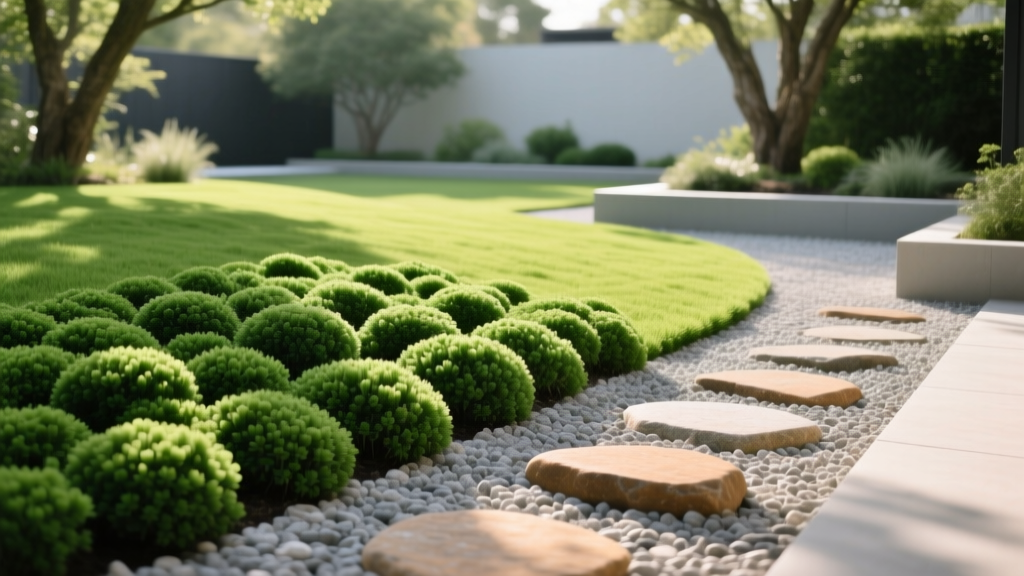
Viral Microclover Lawns & Gravel Paths: Eco-Friendly
The Rise of the 'Anti-Lawn' Movement
If you have spent any time on TikTok, Instagram, or Pinterest recently, you have likely noticed a massive shift in residential landscape design. The traditional, high-maintenance Kentucky bluegrass turf is out, and sustainable, low-maintenance alternatives are in. Driven by drought concerns, rising water costs, and a desire for eco-friendly outdoor living spaces, homeowners are turning to viral landscaping trends that look stunning and require a fraction of the upkeep. Two of the most popular trends dominating social media feeds are microclover lawns and decomposed granite (DG) gravel garden paths. In this guide, we will break down exactly how to install these trending features, complete with product recommendations, measurements, and cost estimates.
Trend 1: The Microclover Lawn
Why Microclover is Going Viral
Microclover (Trifolium repens var. 'Pirouette' or 'Pipolina') is a dwarf variety of white clover that grows low to the ground, produces tiny leaves, and rarely flowers. Unlike traditional turfgrass, microclover is a nitrogen-fixing legume. This means it pulls nitrogen from the air and feeds it into the soil, completely eliminating the need for synthetic nitrogen fertilizers. According to the University of Minnesota Extension, alternative lawns like clover require significantly less water and mowing while remaining green throughout the peak heat of summer. Furthermore, the EPA WaterSense program notes that outdoor water use accounts for nearly 30 percent of total household water consumption, making drought-tolerant alternatives like microclover a smart financial and environmental choice.
Step-by-Step Installation Guide
Installing a microclover lawn requires careful soil preparation. Clover seeds are incredibly small and need excellent seed-to-soil contact to germinate successfully.
- Site Preparation: Mow your existing grass as short as possible. Use a core aerator to pull plugs from the soil, or use a dethatching rake to expose the dirt. If starting from scratch, rototill the top 3 inches of soil and rake it completely level.
- Seeding Rate: For a pure microclover lawn, you need approximately 1 to 2 pounds of seed per 1,000 square feet. If overseeding an existing thinning lawn, reduce the rate to 0.5 pounds per 1,000 square feet.
- Sowing: Mix the seed with dry sand (a 1:4 ratio of seed to sand) to help distribute it evenly across the yard using a broadcast spreader.
- Watering: Water lightly twice a day for the first 14 days. The seedbed must remain consistently moist but not waterlogged. Germination typically occurs within 7 to 10 days.
Trend 2: Decomposed Granite (DG) and Gravel Garden Paths
The Appeal of Permeable Hardscaping
Gravel gardens and DG pathways are the backbone of the viral 'dry garden' or xeriscape aesthetic. They provide a satisfying crunch underfoot, allow rainwater to permeate the soil (reducing runoff), and serve as a beautiful, neutral canvas for drought-tolerant plants. The Texas A&M AgriLife Extension highly recommends utilizing permeable hardscapes and gravel mulches in xeriscaping to retain soil moisture and regulate ground temperature.
How to Build a Stabilized DG Path
To prevent your gravel path from washing away or turning into a muddy mess, you must use a stabilized DG method with a proper base.
- Excavation: Dig out the path area to a depth of 4 inches. Ensure the soil at the bottom is compacted using a hand tamper or plate compactor.
- Base Layer: Add a 2-inch layer of crushed angular gravel (often called road base or class 2 road base). Compact this layer thoroughly. This provides structural integrity and drainage.
- Landscape Fabric: Lay down a heavy-duty, woven geotextile landscape fabric (such as Vigoro Professional Grade) over the base layer to prevent weed growth while allowing water to pass through.
- DG Application: Spread a 2-inch layer of Decomposed Granite over the fabric. For high-traffic areas, mix the DG with a liquid soil stabilizer (like Gator Dust or TerraKoat) before compacting. This binds the gravel particles together, creating a surface that feels almost like concrete but remains permeable.
Timing and Seasonality for Best Results
Timing is everything when it comes to landscaping installations. For microclover, the optimal planting windows are early spring (once soil temperatures consistently reach 40°F to 45°F) or early fall (about 4 to 6 weeks before your first expected frost). Fall planting is often preferred by landscaping professionals because the cooler air temperatures reduce weed competition, and autumn rains help keep the seedbed naturally moist. If you must plant in the heat of summer, be prepared to run your sprinklers multiple times a day to prevent the shallow roots from drying out.
For hardscaping projects like laying down a decomposed granite path, late spring or early autumn provides the most comfortable working conditions. Avoid installing DG during heavy rain seasons, as excess moisture can compromise the compaction of your base layer and prevent liquid stabilizers from curing properly. Always check your local 10-day forecast before breaking ground on any permeable hardscape project.
Cost and Maintenance Comparison
Before committing to a full backyard overhaul, it is essential to understand the financial and temporal investments required for these viral landscaping trends compared to traditional turf.
| Feature | Initial Cost (per sq. ft.) | Annual Maintenance Cost | Water Requirements | Mowing Frequency |
|---|---|---|---|---|
| Kentucky Bluegrass | $0.15 - $0.30 (Sod) | $0.50 - $1.00 | High (1-1.5 inches/week) | Weekly |
| Microclover Lawn | $0.05 - $0.10 (Seed) | $0.05 - $0.15 | Low (Drought tolerant) | Monthly (Optional) |
| Stabilized DG Path | $1.50 - $3.00 | $0.10 (Weed control) | None | N/A |
Pro Tips for a Flawless Finish
Install Corten Steel Edging
The secret to the crisp, modern lines seen in viral landscaping videos is hidden edging. Corten steel (weathering steel) edging is the industry standard for separating a microclover lawn from a DG path. As it ages, it develops a beautiful, protective rust patina that blends seamlessly with natural garden elements. Install 4-inch or 6-inch Corten steel edging stakes flush with the ground to keep the gravel contained and the clover from creeping into your pathways.
Drought-Tolerant Plant Pairings
To complete the eco-friendly aesthetic, border your gravel paths with pollinator-friendly, drought-tolerant perennials. Russian Sage (Perovskia atriplicifolia), Agastache, and Salvia are excellent choices that thrive in well-draining soil and provide vibrant splashes of purple and blue that contrast beautifully with the warm tones of the DG and the rich green of the microclover.
Transitioning to alternative lawns and permeable hardscapes is one of the most impactful ways homeowners can reduce their outdoor water footprint while boosting local biodiversity and creating a modern, low-maintenance sanctuary.
Final Thoughts
Embracing viral landscaping trends is not just about chasing internet aesthetics; it is about adopting smarter, more sustainable practices for your outdoor space. By replacing water-thirsty turf with a lush microclover lawn and installing functional, permeable decomposed granite paths, you are future-proofing your landscape against drought and high maintenance costs. Grab your shovel, order your seed, and start transforming your backyard into the eco-friendly oasis of your dreams.

