Gardening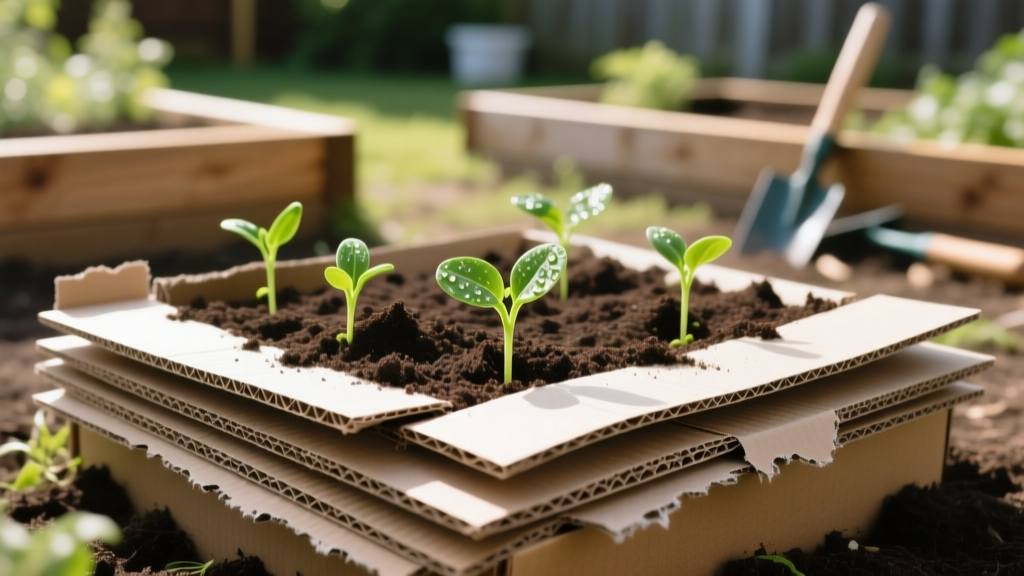
The Viral No-Dig Cardboard Garden Hack: Step-by-Step Guide
Emily WatsonPublished
The Social Media Phenomenon: Why No-Dig is Going Viral
If you have spent any time on Gardening TikTok, YouTube Shorts, or Instagram Reels lately, you have likely encountered the viral no-dig cardboard garden hack. Millions of views have been racked up by creators showing how to transform weedy, compacted lawns into lush, productive vegetable gardens in a single afternoon—without ever firing up a rototiller or breaking a sweat with a shovel. But this is not just a fleeting internet trend; it is a scientifically backed horticultural practice known as sheet mulching or lasagna gardening. Championed by experts like Charles Dowding, who has popularized the no-dig method globally, this technique mimics the natural decomposition process of forest floors, creating a rich, biologically active environment for your plants.
The Science Behind the Hack: Protecting the Soil Food Web
For decades, the standard advice for starting a new garden bed was to rent a rototiller and churn the earth into a fine, powdery tilth. However, modern soil science and research from institutions like the Rodale Institute have revealed that tilling is actually detrimental to long-term soil health. When you till the soil, you sever delicate mycorrhizal fungal networks, expose dormant weed seeds to sunlight (triggering massive germination), and rapidly oxidize soil carbon into the atmosphere.
The no-dig cardboard method preserves the intricate soil food web. By laying cardboard directly over existing vegetation, you block sunlight, effectively smothering weeds and grass while leaving the soil structure completely intact. Earthworms and soil microbes are attracted to the decaying cardboard and the nutrient-rich compost layered on top. They do the tilling for you, pulling organic matter deep into the soil profile and leaving behind nutrient-dense castings. The result is a moisture-retentive, biologically diverse growing medium that traditional tilling simply cannot replicate.
Materials and Cost Breakdown: What You Actually Need
One of the most appealing aspects of this viral hack is its low barrier to entry. You do not need expensive cedar lumber, hardware cloth, or specialized tools. Here is a breakdown of the materials and estimated costs for building a standard 4-foot by 8-foot garden bed.
1. Corrugated Cardboard (Cost: $0)
You need plain, brown corrugated cardboard. Avoid any cardboard with glossy, waxy, or heavily dyed printed surfaces, as these can contain unwanted chemicals and do not break down easily. Remove all plastic packing tape and shipping labels. You can usually source this for free from local appliance stores, bicycle shops, or grocery stores. For a 4x8 bed, you will need enough pieces to cover 32 square feet, plus an extra 6 inches of overlap on all seams.
2. Bulk Compost (Cost: $30 - $50)
Compost is the lifeblood of the no-dig bed. For a 4x8 bed, you want a minimum depth of 4 to 6 inches. This equates to roughly 16 to 20 cubic feet of compost. Buying bags from a big-box store will cost a fortune; instead, contact a local landscape supply yard and order bulk compost. A mix of dairy cow manure compost and leaf mold is ideal. Expect to pay around $35 to $50 per cubic yard, which is more than enough to cover your bed and top it off.
3. Water Access (Cost: Negligible)
You will need a hose and a spray nozzle capable of thoroughly soaking the cardboard and the compost pile.
Step-by-Step: Building Your Viral No-Dig Bed
Follow these precise steps to ensure your bed is weed-free and ready for planting immediately.
Step 1: Scalp the Lawn
Do not just lay cardboard over tall grass. Use a string trimmer or a lawnmower set to its lowest deck height to scalp the area where your bed will go. This ensures the cardboard sits flat against the soil, eliminating air pockets where stubborn weeds like bindweed or Bermuda grass might find a sliver of light and push through.
Step 2: Lay and Overlap the Cardboard
Lay your cardboard directly onto the scalped soil. The most critical mistake beginners make is leaving gaps between the cardboard pieces. Weeds are opportunistic and will exploit even a one-inch gap. Overlap every seam by a minimum of 6 inches. If you are dealing with highly invasive rhizomatous weeds, consider a double layer of cardboard.
Step 3: The Heavy Soak
Before adding any compost, water the cardboard thoroughly. You want it to be completely saturated and sagging against the soil. This initiates the decomposition process, makes the cardboard heavy enough to stay in place during windy conditions, and signals to earthworms that a moist, hospitable environment is waiting for them.
Step 4: Apply the Compost Blanket
Shovel your bulk compost directly onto the wet cardboard. Spread it evenly to a depth of 4 to 6 inches. Do not step on the compost to compact it; keep it fluffy to allow for root penetration and water percolation. If you have access to aged wood chips, you can add a 2-inch layer on top of the compost to act as a moisture-sealing mulch, but keep the wood chips away from the immediate planting holes to prevent nitrogen tie-up.
Step 5: Plant Immediately
Unlike traditional lasagna gardening methods that require months of waiting, the viral no-dig hack allows you to plant the exact same day. Simply part the compost, cut a small slit or X into the wet cardboard beneath, and plant your transplants directly into the native soil below, pulling the compost up around the stem.
Data Comparison: No-Dig Sheet Mulching vs. Traditional Tilling
How does this viral method stack up against the old-school rototiller? The Royal Horticultural Society (RHS) has conducted extensive trials comparing no-dig and dug beds, consistently favoring the no-dig approach for overall soil health and yield.
| Feature | No-Dig Cardboard Sheet Mulching | Traditional Rototilling |
|---|---|---|
| Weed Seed Germination | Very Low (seeds remain buried) | Very High (seeds exposed to light) |
| Soil Structure | Preserved and improved by worms | Destroyed; leads to hardpan compaction |
| Moisture Retention | Excellent (mulch layers trap water) | Poor (exposed soil dries rapidly) |
| Time Investment | 2-3 hours for a 4x8 bed | 6-8 hours (tilling, raking, weeding) |
| Carbon Footprint | Negative (sequesters carbon) | Positive (releases CO2, uses gas) |
| Fungal Networks | Intact and thriving | Severed and damaged |
Year-One Planting Strategy: What to Grow First
While you can grow almost anything in a no-dig bed, the texture of fresh bulk compost can sometimes be a bit chunky or loose for tiny seeds in the very first season. To guarantee success and maximize the viral potential of your garden photos, focus on these crops for Year One:
- Transplants (Best Option): Tomatoes, peppers, eggplants, and brassicas (broccoli, cauliflower, kale) thrive when planted as starts. Their established root systems easily push through the compost and into the cardboard layer.
- Large Direct-Sow Seeds: Pole beans, bush beans, zucchini, cucumbers, and winter squash are perfect. You can easily make a divot in the compost, plant the large seed, and watch it explode with growth.
- Crops to Avoid in Year One: Carrots, parsnips, and radishes prefer a fine, sandy, well-tilled seedbed. If your compost is coarse or contains wood chips, your root vegetables will fork and become stunted. Save these for Year Two when the cardboard has fully decomposed and the compost has settled into a fine tilth.
Troubleshooting Common No-Dig Issues
Even the best viral hacks come with a learning curve. Here is how to troubleshoot the most common complaints from first-time no-dig gardeners.
Problem: Slugs and Snails
Slugs love the dark, moist environment created between the compost and the cardboard. To combat this, avoid watering in the evening. Instead, water early in the morning so the surface dries out during the day. You can also surround your vulnerable transplants with a ring of organic slug deterrents like wool pellets or crushed eggshells, or use organic iron phosphate baits.
Problem: The Compost is Drying Out
Compost can sometimes become hydrophobic if it dries out completely. If you notice water pooling on the surface and running off, your compost is too dry. Use a garden fork to gently poke holes in the compost layer (without tearing up the cardboard underneath) and water slowly with a gentle mist nozzle to allow the moisture to penetrate deep into the bed.
Problem: Bindweed Pushing Through
While cardboard stops 95% of weeds, highly aggressive perennial weeds like field bindweed or nutsedge can sometimes pierce a single layer of cardboard. If you see a shoot poking through, do not pull it, as this can tear the cardboard and create a larger hole. Instead, use a pair of scissors to snip the weed off at the compost surface. Deprived of light repeatedly, the root system will eventually exhaust its energy reserves and die.
Conclusion: Join the No-Dig Revolution
The viral no-dig cardboard garden hack is much more than a clever social media trick; it is a fundamental shift toward regenerative, ecologically sound gardening. By ditching the rototiller and embracing the power of cardboard and compost, you are saving your back, suppressing weeds naturally, and building a resilient soil ecosystem that will produce bountiful harvests for years to come. Grab some free cardboard, order a yard of compost, and start your no-dig journey this weekend.
