Gardening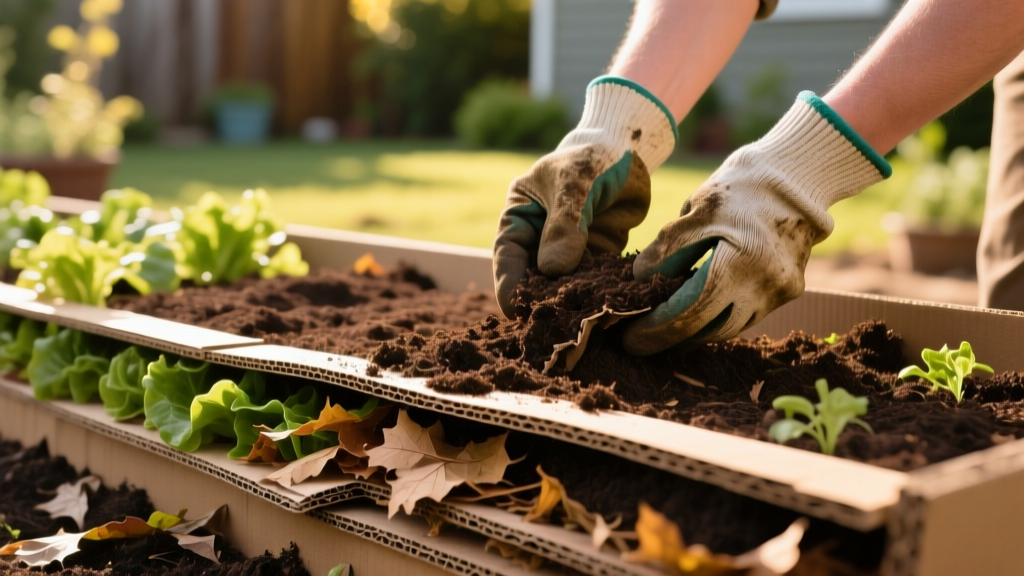
The Viral No-Dig Lasagna Garden: Sheet Mulching Guide
Emily WatsonPublished
The TikTok Trend Taking Over Backyards: Lasagna Gardening
Social media platforms like TikTok and Instagram have recently been dominated by a seemingly lazy but highly effective gardening trend: Lasagna Gardening. Also known as sheet mulching, this no-dig method involves layering organic materials directly on top of the soil or grass to create rich, fertile planting beds without ever picking up a shovel or firing up a rototiller. With hashtags like #NoDigGardening and #LasagnaGarden accumulating hundreds of millions of views, home gardeners are eager to replicate the viral success. But does this internet-famous technique actually work, and how can you execute it properly in your own backyard? In this comprehensive guide, we break down the science, the costs, and the step-by-step process of building a viral-worthy no-dig lasagna garden.
The Science Behind the Viral Trend
According to the Oregon State University Extension Service, sheet mulching mimics the natural soil-building process found on forest floors. By layering carbon-rich and nitrogen-rich materials, you encourage a thriving ecosystem of earthworms and beneficial microbes. These organisms do the tilling for you, breaking down the layers into dark, loamy humus while simultaneously smothering existing weeds and grass.
Charles Dowding, a pioneering horticulturist and leading voice in the modern no-dig movement, notes on his official website that undisturbed soil retains its complex fungal networks and structure. This leads to significantly higher yields, better water retention, and fewer weed seeds germinating compared to traditional rototilling, which destroys soil aggregates and brings dormant weed seeds to the surface.
Step-by-Step Guide to Building a Lasagna Bed
Building a lasagna garden is incredibly forgiving, but following specific measurements and layering orders will ensure rapid decomposition and a weed-free environment.
Step 1: Site Preparation
Mow the grass or weeds in your designated area as short as possible. Do not pull them up or use herbicides; leave the clippings on the ground to decompose. Water the area deeply to jumpstart microbial activity and attract earthworms to the surface.
Step 2: The Weed Barrier
Lay down plain, uncoated brown corrugated cardboard. Remove all plastic tape, labels, and staples. Overlap the edges by at least 6 to 8 inches to prevent aggressive weeds like bindweed or bermudagrass from finding a gap. Wet the cardboard thoroughly with a hose so it conforms to the ground and begins to break down immediately.
Step 3: The Nitrogen Layer (The Greens)
Add a 2-inch layer of nitrogen-rich materials. This can include fresh grass clippings, coffee grounds, vegetable scraps, or aged manure. Products like Kellogg Garden Organics Chicken Manure (around $4 a bag) work exceptionally well to heat up the pile and accelerate the composting process.
Step 4: The Carbon Layer (The Browns)
Add a 4 to 6-inch layer of carbon materials. Shredded fall leaves, straw, or pine needles are ideal. Avoid hay, as it often contains viable weed seeds that will ruin your pristine new bed. Wet this layer down before moving to the next.
Step 5: The Planting Cap
Finish with a generous 3 to 4-inch layer of high-quality finished compost or a raised bed soil mix. This is your immediate planting layer, providing a safe, nutrient-dense environment for young transplants while the raw materials below slowly decompose.
Understanding Carbon to Nitrogen Ratios
To prevent your lasagna bed from becoming a smelly, anaerobic mess, you must balance your greens and browns. The Environmental Protection Agency (EPA) emphasizes that proper aeration and C:N ratios are critical for healthy decomposition. Aim for a volume ratio of roughly 3 parts brown (carbon) to 1 part green (nitrogen).
| Material Type | Examples | C:N Ratio | Role in Lasagna Bed |
|---|---|---|---|
| Brown (Carbon) | Cardboard, Straw, Dry Leaves | 60:1 to 100:1 | Provides structure, aeration, and slow-release energy for microbes. |
| Brown (Carbon) | Pine Needles, Wood Chips | 80:1 to 400:1 | Best used as a top mulch; breaks down very slowly. |
| Green (Nitrogen) | Fresh Grass Clippings | 15:1 to 25:1 | Heats the pile rapidly; use in thin layers to avoid matting. |
| Green (Nitrogen) | Coffee Grounds, Vegetable Scraps | 20:1 to 25:1 | Excellent microbial food source; attracts earthworms. |
| Green (Nitrogen) | Aged Chicken Manure | 10:1 to 15:1 | High nitrogen boost; must be aged to prevent burning plant roots. |
The Viral 'Pocket Planting' Hack for Impatient Gardeners
One of the biggest complaints on social media about lasagna gardening is the wait time. Traditional advice dictates waiting 6 to 9 months for the layers to break down before planting. However, a viral hack known as 'Pocket Planting' allows you to plant immediately.
Using a cordless drill with a 3-inch bulb auger bit, drill directly through the top compost layer and the wet cardboard into the native soil below. Pull out the auger, fill the resulting hole with premium potting mix, and drop in a tomato, pepper, or squash transplant. The roots will establish in the potting mix and eventually penetrate the degrading cardboard into the nutrient-rich layers below. This hack saves months of waiting and leverages the heat generated by the decomposing layers to warm the root zones of heat-loving crops.
Cost Breakdown: Lasagna Bed vs. Traditional Raised Bed
A major reason this trend went viral is its sheer cost-effectiveness. Building a traditional 4x8-foot raised bed with cedar lumber and bulk soil can easily cost $250 to $400. A 4x8-foot lasagna bed, however, utilizes free and cheap materials, making it highly accessible for urban and budget-conscious gardeners.
| Material | Quantity for 4x8 Bed | Estimated Cost |
|---|---|---|
| Corrugated Cardboard | 15-20 large boxes | $0 (Sourced from local retailers) |
| Straw Bales (Carbon) | 2 bales | $16 ($8 per bale) |
| Bagged Chicken Manure (Nitrogen) | 2 bags (0.5 cu ft each) | $8 ($4 per bag) |
| Bagged Organic Compost (Cap) | 10 bags (1 cu ft each) | $40 ($4 per bag) |
| Total Estimated Cost | Yields 32 sq ft of garden | $64 |
Best Crops for First-Year Lasagna Beds
Because the decomposing layers below the compost cap release high amounts of nitrogen and heat, your first-year planting strategy should focus on heavy feeders. Tomatoes, pumpkins, zucchini, and sweet corn thrive in the rich, warm environment of a fresh lasagna bed. The vigorous root systems of these plants will easily navigate the softening cardboard and tap into the deep moisture retained by the straw and leaf layers.
Conversely, avoid planting root crops like carrots, parsnips, or potatoes in the first year. The chunky, uneven texture of the decomposing straw and cardboard can cause carrots to fork and stunt, while the high nitrogen levels can lead to excessive foliage growth at the expense of tuber development in potatoes. Wait until year two, when the bed has settled into a fine, uniform loam, before sowing delicate root vegetables.
Debunking Common Social Media Myths
As with any viral trend, misinformation spreads quickly. Here are two common myths to avoid:
- Myth: You can use glossy or waxed cardboard. Reality: Glossy flyers and wax-coated produce boxes contain microplastics, heavy metals in the inks, and petrochemicals that will leach into your soil. Stick strictly to plain, brown, unbleached corrugated cardboard with minimal black-ink printing.
- Myth: You must add synthetic fertilizers to feed the plants. Reality: The organic matter in a properly built lasagna bed provides a slow-release, complete spectrum of macro and micronutrients. Adding synthetic fertilizers can actually harm the delicate mycorrhizal fungi networks that are vital for long-term no-dig soil health.
Maintaining Your Lasagna Garden
Once your bed is established, maintenance is incredibly low-effort. Adopt the 'Chop and Drop' method popularized by permaculture designers. At the end of the growing season, simply cut your spent crop stalks and leaves at the soil line with pruning shears, leaving the roots in the ground to rot and feed the soil web. Drop the chopped foliage directly onto the bed as a mulch layer, and add a fresh 1-inch top-dressing of compost every spring. By never walking on the bed and never turning the soil, your lasagna garden will only become more fertile, structured, and productive with each passing year, proving that the best gardening hacks are often the ones that let nature do the heavy lifting.
