Gardening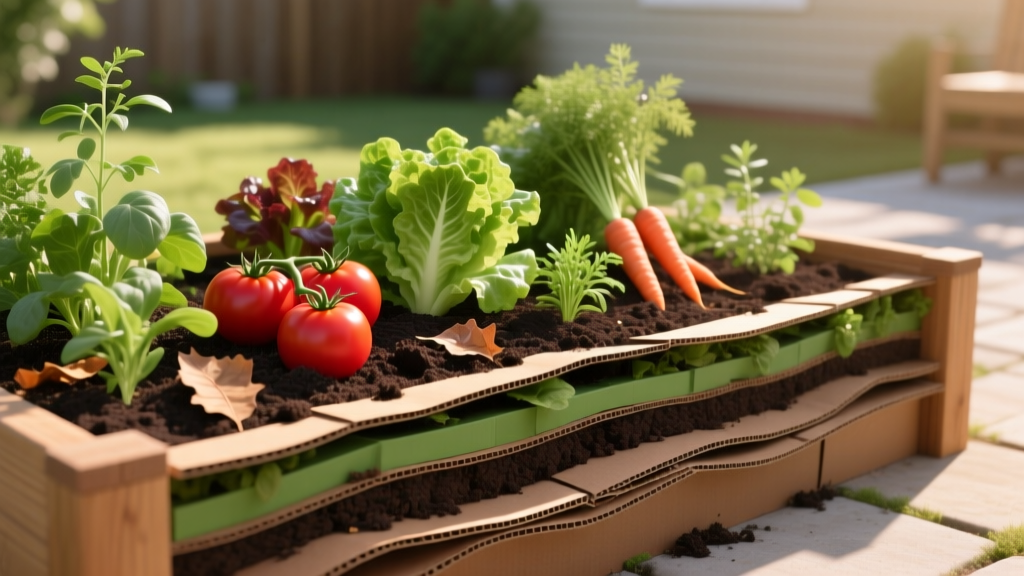
Viral No-Dig Lasagna Gardening: Build Instant Raised Beds
Mike RodriguezPublished
The Social Media Sensation: What is Lasagna Gardening?
If you have spent any time on Gardening TikTok, YouTube, or Instagram Reels lately, you have likely encountered the viral "Lasagna Gardening" trend. Also known as sheet mulching, this revolutionary approach to soil preparation and raised bed construction has taken the digital gardening world by storm. Instead of breaking your back tilling the earth, renting heavy machinery, or spending thousands of dollars on cedar lumber and bags of potting soil, viral gardening influencers are building instant, highly productive raised beds using nothing but cardboard, yard waste, and compost.
The concept is not entirely new—it was popularized in the late 1990s by Patricia Lanza—but it has been reborn as a cornerstone of the modern "no-dig" movement. According to Charles Dowding, a pioneer of the modern no-dig movement, preserving the natural soil structure and its intricate web of mycorrhizal fungi leads to significantly higher yields, fewer weeds, and better drought resistance. By layering organic materials just like the noodles, sauce, and cheese of a lasagna, gardeners can smother existing weeds, grass, and even compacted clay, turning a barren patch of yard into a fertile paradise in a single afternoon.
Why the "No-Dig" Method is Trending Globally
The viral appeal of lasagna gardening comes down to three massive benefits that resonate with modern, busy homeowners:
- Zero Tilling Required: Tilling destroys soil aggregates and brings dormant weed seeds to the surface. No-dig gardening leaves the soil microbiome intact. The Royal Horticultural Society (RHS) heavily endorses no-dig methods for improving soil health and reducing the physical strain on gardeners.
- Ultimate Weed Suppression: The cardboard base layer blocks sunlight, effectively killing the grass and weeds underneath while eventually breaking down into organic matter.
- Massive Cost Savings: Traditional 4x8 foot cedar raised beds can cost upwards of $300 in lumber and $200 in bagged soil. A lasagna bed can be built for under $50, utilizing free organic waste from your neighborhood.
Step-by-Step Guide to Building a Viral Lasagna Bed
Building a lasagna garden is all about the Carbon-to-Nitrogen (C:N) ratio. The Environmental Protection Agency (EPA) notes that a balanced mix of "browns" (carbon-rich materials) and "greens" (nitrogen-rich materials) is essential for rapid decomposition and nutrient cycling. Here is how to build a standard 4-foot by 8-foot bed.
Step 1: Mow and Lay the Cardboard Base
Mow the grass or weeds in your chosen 4x8 foot area as short as possible. Do not pull the weeds; leave their roots to decompose in place. Next, lay down plain, uncoated brown corrugated cardboard. Remove all plastic tape and staples. Overlap the edges of the cardboard by at least 6 inches to ensure no sneaky weeds can find a gap. Once laid out, thoroughly soak the cardboard with a garden hose until it is completely saturated. This initiates the breakdown process and attracts earthworms to the surface.
Step 2: The "Greens" (Nitrogen Layer)
Add a 2-to-3-inch layer of nitrogen-rich materials directly on top of the wet cardboard. Viral gardening hacks suggest using free materials like fresh grass clippings, coffee grounds from local cafes, vegetable kitchen scraps, or herbivore manure (like rabbit or horse). This layer acts as the "sauce" of your lasagna, providing the heat and microbial energy needed to break down the carbon layers above and below it.
Step 3: The "Browns" (Carbon Layer)
Next, add a 4-to-6-inch layer of carbon-rich "browns." Excellent materials include dry autumn leaves, straw (not hay, which contains seeds), shredded newspaper, or pine needles. This layer provides structure, prevents the bed from becoming a compacted, anaerobic mess, and balances the nitrogen. Water this layer lightly.
Step 4: Repeat and Top with Compost
Repeat the Green and Brown layers until your bed is about 18 to 24 inches high. The materials will compress significantly as they decompose over the next few weeks. Finally, cap the entire mound with a 4-to-6-inch layer of high-quality finished compost or topsoil. This is your planting layer. You can immediately transplant seedlings directly into this compost cap, even while the layers below are still decomposing.
Lasagna Gardening Material Comparison Chart
To ensure your bed decomposes efficiently without locking up nitrogen or smelling foul, use this quick-reference chart to balance your layers:
| Layer Type | Common Materials | C:N Ratio | Viral Hacks & Tips |
|---|---|---|---|
| Greens (Nitrogen) | Fresh grass clippings, coffee grounds, kitchen scraps, comfrey leaves | 15:1 to 20:1 | Blend kitchen scraps with water to create a "slurry" to pour between layers for faster microbial activation. |
| Browns (Carbon) | Dry leaves, straw, shredded cardboard, pine needles, sawdust | 60:1 to 100:1 | Run over dry leaves with a lawnmower to shred them. Shredded leaves decompose three times faster than whole leaves. |
| Base Layer | Brown corrugated cardboard, thick newspaper | N/A | Wet the cardboard before laying it down. Wet cardboard conforms to the soil contours, leaving no air gaps for weeds. |
| Top Cap | Finished compost, worm castings, peat-free topsoil | 10:1 to 15:1 | Mix in a handful of mycorrhizal fungi inoculant to the top compost layer to instantly connect plant roots to the decomposing web below. |
Cost Breakdown: Traditional vs. Viral Lasagna Bed
One of the primary reasons this method has gone viral on platforms like TikTok is the staggering cost difference. Let us break down the estimated costs for a 4x8 foot raised bed:
- Traditional Cedar Raised Bed: $150 for untreated cedar lumber, $30 for hardware and screws, $250 for bulk organic raised bed soil mix. Total: ~$430.
- Viral Lasagna No-Dig Bed: $0 for cardboard (sourced from local appliance stores or recycling centers), $0 for grass clippings and dry leaves (foraged from curbside yard waste bags in autumn), $45 for a half-yard of bulk finished compost from a local landscape supply yard. Total: ~$45.
By utilizing neighborhood waste streams, you are not only saving money but also participating in a hyper-local, sustainable circular economy.
Timing Your Build: Fall vs. Spring
While you can build and plant a lasagna bed on the exact same day in the spring by using a thick top layer of finished compost, the absolute best time to build one is in the late fall. By building the bed in November, the freezing and thawing cycles of winter, combined with the work of overwintering earthworms, will break down the cardboard and yard waste into a rich, black, loamy humus by the time April arrives. If you must build in the spring, rely heavily on finished compost for the top 8 inches so your transplants have a stable medium to root into while the lower layers actively heat up and decompose.
3 Viral Mistakes to Avoid
- Using Glossy or Waxed Cardboard: Never use cardboard with a shiny, glossy finish or wax coatings (often found on produce boxes). These contain microplastics and toxic dyes that will contaminate your soil food web. Stick to plain, brown, corrugated shipping boxes.
- Skipping the Overlap: If you leave even a one-inch gap between your cardboard sheets, aggressive perennial weeds like bindweed or Bermuda grass will find the light and punch right through your beautiful new bed. Overlap by at least 6 inches.
- Planting Deep Root Crops in Year One: Because the lower layers are still actively decomposing and might contain air pockets or unrotted straw, avoid planting long taproot crops like carrots or parsnips in the first season. Stick to shallow-rooted heavy feeders like tomatoes, zucchini, cucumbers, and leafy greens for the first year. By year two, the bed will be perfect for root vegetables.
Final Thoughts on the No-Dig Revolution
The viral lasagna gardening trend is a rare instance where an internet hack is actually backed by robust horticultural science. By mimicking the natural leaf-litter decomposition process of a forest floor, you are building a resilient, moisture-retentive, and biologically diverse ecosystem right in your backyard. Grab some cardboard, rake up your neighbor's discarded leaves, and start layering your way to the most abundant, low-maintenance harvest of your life.
