Gardening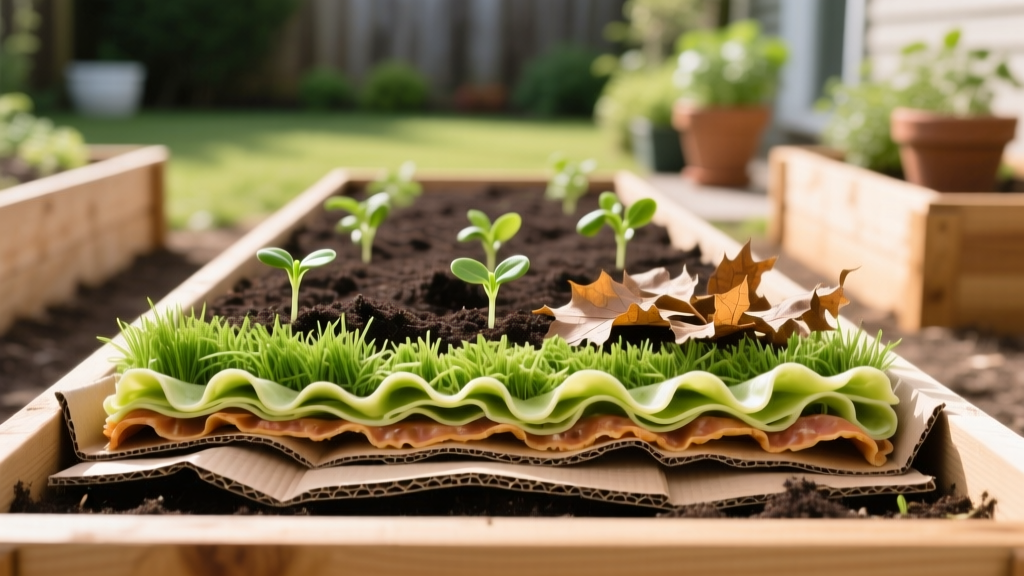
Viral No-Dig Lasagna Gardening: The Ultimate Guide
Lisa ThompsonPublished
The Viral Sensation: What is Lasagna Gardening?
Social media platforms like TikTok, Instagram Reels, and YouTube Shorts have recently been dominated by a gardening hack that promises massive vegetable yields with zero tilling: the 'lasagna garden' or no-dig sheet mulching method. Unlike traditional gardening, which requires back-breaking labor to rototill the soil and disrupt the earth, lasagna gardening involves layering organic materials directly on top of the existing ground. The result is a rich, fluffy, nutrient-dense raised bed that mimics the natural decomposition process of a forest floor.
But is this viral trend just a passing fad, or is it rooted in solid horticultural science? As it turns out, no-dig sheet mulching is one of the most effective, sustainable, and cost-efficient ways to build soil health. Whether you are dealing with heavy clay, compacted urban dirt, or even a weed-chested lawn, this method transforms unusable ground into a thriving vegetable oasis in a single season.
The Science Behind the No-Dig Trend
The core philosophy of lasagna gardening is soil preservation. When you till the soil, you expose dormant weed seeds to sunlight, trigger their germination, and destroy the delicate mycorrhizal fungal networks that help plant roots absorb nutrients. According to the Rodale Institute, organic no-till and no-dig practices significantly increase soil organic matter, improve water retention, and sequester carbon from the atmosphere. By leaving the soil structure intact and feeding it from the top down, you encourage earthworms and beneficial microbes to do the tilling for you.
Furthermore, research highlighted by the University of Maryland Extension confirms that sheet mulching is an incredibly effective way to smother existing turf grass and invasive weeds without the use of toxic chemical herbicides like glyphosate. The cardboard layer blocks sunlight, killing the grass underneath, while simultaneously providing a carbon-rich food source for soil-dwelling organisms as it breaks down.
Step-by-Step Guide to Building a 4x8 No-Dig Bed
Building a lasagna garden is like assembling a giant, compostable sandwich. For a standard 4-foot by 8-foot garden bed, you will need to gather your materials before you begin. Here is the exact layering sequence for viral success.
Step 1: Site Preparation and the Cardboard Base
Do not dig up the grass or weeds. Simply mow the area as short as possible. Next, lay down plain, uncoated corrugated cardboard. Remove all plastic tape, staples, and glossy labels, as these do not decompose and can introduce microplastics into your food supply. Overlap the cardboard edges by at least 6 inches to prevent aggressive weeds like Bermuda grass from sneaking through the gaps. Once the cardboard is laid out, soak it thoroughly with a garden hose until it is completely saturated and heavy.
Step 2: The Nitrogen Layer (The 'Greens')
Directly on top of the wet cardboard, add a 2-inch layer of nitrogen-rich 'green' materials. This layer acts as the microbial activator, generating the heat required to break down the cardboard and the layers above it. Excellent green materials include fresh grass clippings (ensure they are herbicide-free), vegetable kitchen scraps, coffee grounds, and fresh manure (aged chicken or cow manure works best).
Step 3: The Carbon Layer (The 'Browns')
Next, add a 4-to-6-inch layer of carbon-rich 'brown' materials. This provides the structural bulk of your lasagna bed and balances the nitrogen to prevent foul odors. Use materials like dry autumn leaves, straw (not hay, which contains seeds), pine needles, or shredded newspaper. According to the USDA Natural Resources Conservation Service, maintaining a proper carbon-to-nitrogen ratio in your mulch layers prevents nitrogen tie-up and ensures a steady release of nutrients to plant roots.
Step 4: The Compost and Topsoil Cap
The final layer is where you will actually plant your seeds and transplants. Add a generous 4-to-6-inch cap of high-quality finished compost mixed with a little organic topsoil. This layer should be fully decomposed and rich in humus. If you are building the bed in the fall, you can leave the layers to compost over the winter. If you are building in the spring, the thick compost cap allows you to plant immediately while the lower layers decompose beneath the root zone.
The Ultimate Carbon-to-Nitrogen (C:N) Ratio Chart
To avoid a smelly, anaerobic lasagna bed, you must balance your greens and browns. The ideal overall C:N ratio for a decomposing garden bed is roughly 30:1. Use this cheat sheet to select your materials:
| Material Type | Examples | Approximate C:N Ratio | Best Used In |
|---|---|---|---|
| High Nitrogen (Greens) | Coffee grounds, vegetable scraps | 15:1 to 20:1 | Layer 2 (Activator) |
| High Nitrogen (Greens) | Fresh grass clippings, chicken manure | 10:1 to 15:1 | Layer 2 (Activator) |
| Balanced | Finished compost, aged horse manure | 20:1 to 25:1 | Layer 4 (Planting Cap) |
| High Carbon (Browns) | Dry autumn leaves, straw | 50:1 to 80:1 | Layer 3 (Bulk/Browns) |
| Very High Carbon | Corrugated cardboard, shredded paper | 150:1 to 350:1 | Layer 1 (Base/Weed Block) |
| Extreme Carbon | Wood chips, sawdust | 400:1+ | Top mulch only (Avoid inside bed) |
Cost Breakdown for a 4x8 Foot Bed
One of the main reasons lasagna gardening goes viral is its incredibly low barrier to entry. Traditional raised beds require purchasing lumber, hardware, and hundreds of dollars in bagged soil. Here is a realistic cost comparison for a 4x8 foot space:
- Cardboard Base: $0 (Sourced for free from local appliance stores, grocery stores, or recycling centers).
- Straw/Leaves (Carbon Layer): $8 to $12 (One standard bale of straw, or free if you rake your own leaves).
- Grass Clippings/Scraps (Nitrogen Layer): $0 (Sourced from your own lawn and kitchen).
- Bulk Compost (Planting Cap): $35 to $50 (Purchasing one cubic yard of bulk organic compost from a local landscape supply is vastly cheaper than buying bagged compost from a big-box store).
- Total Estimated Cost: $43 to $62.
Compared to the $250+ it costs to build and fill a wooden raised bed with commercial potting mixes, the no-dig lasagna method saves you over 75% in initial startup costs while yielding superior soil biology.
Best Companion Plants for First-Year No-Dig Beds
In the first year, your lasagna bed will be incredibly rich in nitrogen and organic matter, but it may also be settling and shifting as the lower layers decompose. Because of this, it is best to avoid planting deep-rooted crops like carrots or parsnips, which can become stunted or forked as the ground shifts. Instead, focus on heavy-feeding, shallow-rooted crops and classic companion planting pairings.
- Tomatoes and Basil: Tomatoes are heavy feeders that will thrive in the nutrient-dense compost cap. Planting basil at the base of the tomatoes helps deter pests like hornworms and masks the scent of the tomato plant.
- Zucchini and Nasturtiums: Zucchini plants have massive root systems that love the moisture retention of the cardboard and straw layers. Nasturtiums act as a trap crop for aphids and provide a beautiful, edible ground cover that keeps the soil cool.
- Pole Beans and Sweet Alyssum: Set up a trellis over the bed for pole beans, which will fix their own nitrogen. Plant sweet alyssum at the base to attract beneficial predatory wasps that hunt cabbage moths and aphids.
Common Mistakes to Avoid
While the viral videos make it look foolproof, there are a few pitfalls that can ruin your first lasagna garden. First, never use glossy cardboard or boxes with heavy colored inks, as these can contain heavy metals and toxic dyes. Second, avoid stepping on the bed once it is built; the soil structure is delicate, and compaction will defeat the purpose of the no-dig method. Create clear walking paths around the bed using wood chips or gravel. Finally, do not skimp on watering the cardboard layer during construction. If the cardboard dries out, it can become hydrophobic and wick moisture away from your plant roots during the heat of summer.
Maintenance and Year-Two Top-Dressing
The beauty of the lasagna garden is that it gets better with age. By year two, the cardboard, straw, and grass clippings will have completely decomposed into rich, black humus, teeming with earthworms. To maintain the bed, you do not need to rebuild it. Simply practice 'top-dressing' every spring and fall. Add a 1-to-2-inch layer of fresh compost over the surface before planting your next seasonal crop. The earthworms will pull this organic matter down into the soil profile, naturally aerating the bed and maintaining the perfect soil structure for decades to come.
