
Landscaping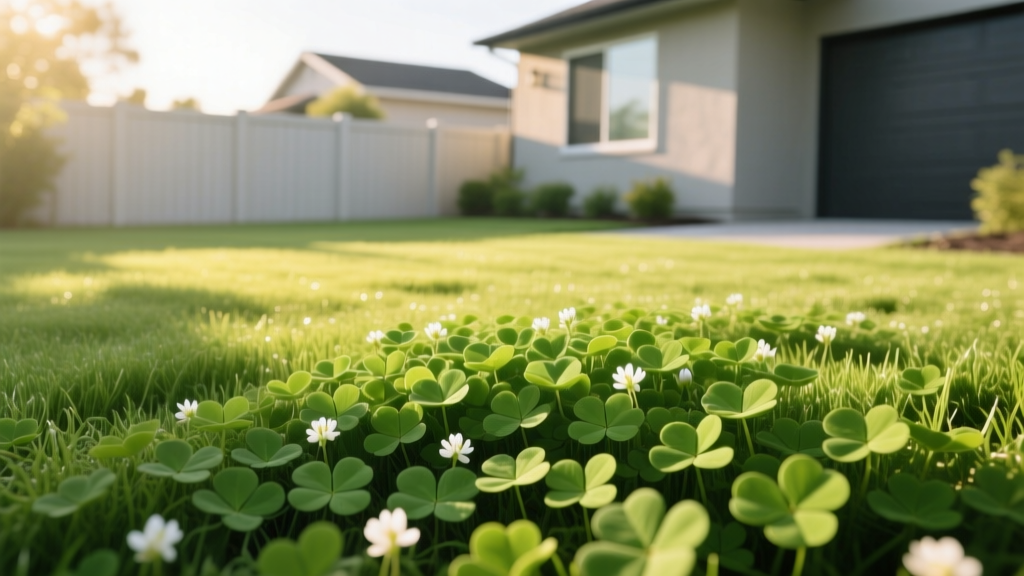
Viral No-Mow Lawns: The Micro-Clover Landscaping Trend
Robert HayesPublished
The Science Behind the Viral #NoMow Movement
Social media platforms like TikTok and Instagram have recently been dominated by a radical shift in residential landscaping: the #NoMow movement. Homeowners are increasingly abandoning the pristine, water-thirsty, and chemically dependent traditional turfgrass lawn in favor of sustainable, eco-friendly alternatives. At the very center of this viral revolution is micro-clover. Once considered a pesky weed to be eradicated with broadleaf herbicides, clover is now being celebrated as a landscaping superhero. But what exactly is driving this massive shift in curb appeal and garden design? The answer lies in a combination of eco-anxiety, rising water costs, and the desire for low-maintenance outdoor living spaces. According to the Environmental Protection Agency (EPA), landscape irrigation accounts for nearly one-third of all residential water use, totaling nearly 9 billion gallons per day across the United States. As drought conditions worsen and municipal water restrictions tighten, the viral micro-clover lawn offers a visually stunning, highly practical solution that aligns with modern sustainable living.
What Exactly is Micro-Clover?
Micro-clover (Trifolium repens var. 'Pirouette' or 'Nanuk') is a specially bred, dwarf variety of white clover. Unlike the large, sprawling wild clover that pops up in neglected pastures, micro-clover features significantly smaller leaves, a denser growth habit, and a much lower profile. It grows to a maximum height of about four to six inches, meaning it requires little to no mowing. Furthermore, it produces far fewer flowers than traditional white clover, which is a major selling point for homeowners who want the ecological benefits of a pollinator-friendly yard without the constant buzzing of bees around bare feet. As a legume, micro-clover possesses the remarkable ability to fix atmospheric nitrogen into the soil through a symbiotic relationship with Rhizobium bacteria. This means it acts as its own natural fertilizer, continually feeding itself and any companion grasses you choose to plant alongside it. The Penn State Extension notes that integrating clover into turf stands can drastically reduce the need for synthetic nitrogen applications, saving homeowners hundreds of dollars annually while preventing harmful chemical runoff into local watersheds.
Traditional Turfgrass vs. Micro-Clover: A Data-Driven Comparison
To truly understand why this landscaping trend has gone viral, we must look at the hard data. Below is a comprehensive comparison chart detailing the differences between a traditional Kentucky Bluegrass lawn and a pure micro-clover eco-lawn.
| Feature | Traditional Kentucky Bluegrass | Micro-Clover (Trifolium repens) |
|---|---|---|
| Water Needs | High (1 to 1.5 inches per week) | Low (Highly drought-tolerant once established) |
| Fertilizer Requirements | 2 to 4 lbs Nitrogen per 1,000 sq ft annually | Zero (Fixes its own atmospheric nitrogen) |
| Mowing Frequency | Weekly (Spring through Fall) | 1 to 2 times per month (Strictly optional) |
| Average Seed Cost | $0.05 to $0.10 per square foot | $0.10 to $0.15 per square foot |
| Pollinator Value | Extremely Low | High (Supports native bee populations) |
| Dog Urine Resistance | Low (Results in yellow dead spots) | High (Resists nitrogen-burn spotting) |
As the University of Minnesota Extension highlights, alternative lawns require a fundamental shift in expectations. You are trading the uniform, carpet-like monoculture of traditional turf for a dynamic, living ecosystem that responds to seasonal changes, supports local wildlife, and drastically reduces your weekend chore list.
Step-by-Step Guide to Installing a Viral Micro-Clover Lawn
Step 1: Timing and Site Preparation
The optimal time to plant micro-clover is during the early spring or early fall when soil temperatures are consistently between 50°F and 65°F. Begin by eliminating your existing turfgrass. You can achieve this through solarization using clear plastic sheeting over the summer, or by using an organic, non-selective herbicide. Once the old grass is dead, rake the area vigorously to remove thatch and debris, exposing bare soil. Use a landscaping rake to level the ground, ensuring proper drainage away from your home’s foundation.
Step 2: Seed Selection and Sowing Rates
For a pure micro-clover stand, you will need approximately 1 to 2 pounds of seed per 1,000 square feet. High-quality, pelleted micro-clover seed (which includes the necessary Rhizobium inoculant) typically costs between $30 and $50 per pound. Because clover seed is incredibly fine, it is highly recommended to mix it with dry masonry sand at a ratio of 1 part seed to 4 parts sand. This bulk mixture ensures an even, uniform distribution across your yard when using a broadcast spreader.
Step 3: Germination and Early Care
After broadcasting the seed mixture, lightly rake the soil to cover the seeds to a depth of no more than 1/8 to 1/4 inch. Clover seeds need light to germinate, so burying them too deeply will result in poor establishment. Water the area gently using a fine mist sprinkler head to avoid washing the seeds away. For the first 14 to 21 days, the top inch of soil must remain consistently moist. Water lightly two to three times a day until seedlings emerge and establish their first set of true leaves.
Trending Hardscape & Design Pairings
The viral appeal of micro-clover isn't just ecological; it is deeply aesthetic. Landscape designers on social media are pairing the lush, deep-green texture of clover with striking hardscaping elements to create breathtaking outdoor living spaces.
- The Checkerboard Patio: Alternate 18-inch concrete pavers with 18-inch squares of micro-clover. This creates a modern, geometric aesthetic that softens harsh hardscaping while allowing rainwater to permeate the soil, reducing runoff.
- Japanese Stepping Stone Pathways: Use irregular, natural flagstones surrounded by creeping micro-clover. The clover acts as a living mulch, suppressing traditional weeds while providing a soft, fragrant cushion underfoot.
- The Pollinator Border: Frame your micro-clover lawn with deep, curved garden beds featuring native pollinator plants like echinacea, bee balm, and lavender. The transition from the low-profile clover to the towering native perennials creates a dramatic, multi-layered visual effect that is highly favored by landscape architects.
The Drawbacks: What the Viral Videos Won't Tell You
While the #NoMow trend is incredibly enticing, no landscaping solution is without its flaws. First, micro-clover is not highly tolerant of heavy, concentrated foot traffic. If you have large dogs that run the same fence-line daily, or if you plan on hosting massive backyard soccer tournaments, a pure clover lawn will quickly develop bare, muddy patches. For high-traffic areas, experts recommend a 5% to 10% micro-clover overseed mixed with a tough, drought-tolerant turfgrass like tall fescue. Second, while micro-clover produces fewer flowers than standard white clover, it still blooms. If you or your family members have severe bee allergies, a pure clover lawn may pose a risk during the late spring and early summer blooming cycles. Finally, clover sap can stain light-colored clothing more stubbornly than traditional grass juices, which is a crucial consideration for families with young children who play in the yard.
Final Thoughts on the Eco-Lawn Revolution
The viral micro-clover landscaping trend represents a much-needed evolution in how we interact with our immediate environment. By swapping out high-maintenance, resource-draining turfgrass for a resilient, nitrogen-fixing legume, homeowners are reclaiming their weekends and drastically reducing their ecological footprint. Whether you opt for a pure stand of 'Pirouette' micro-clover or integrate it into a diverse eco-lawn mix with native grasses and yarrow, you are participating in a global movement toward sustainable, beautiful, and functional landscape design. The future of the American lawn is not a sterile, chemical-dependent carpet; it is a vibrant, living ecosystem, and it starts right in your own backyard.

