Gardening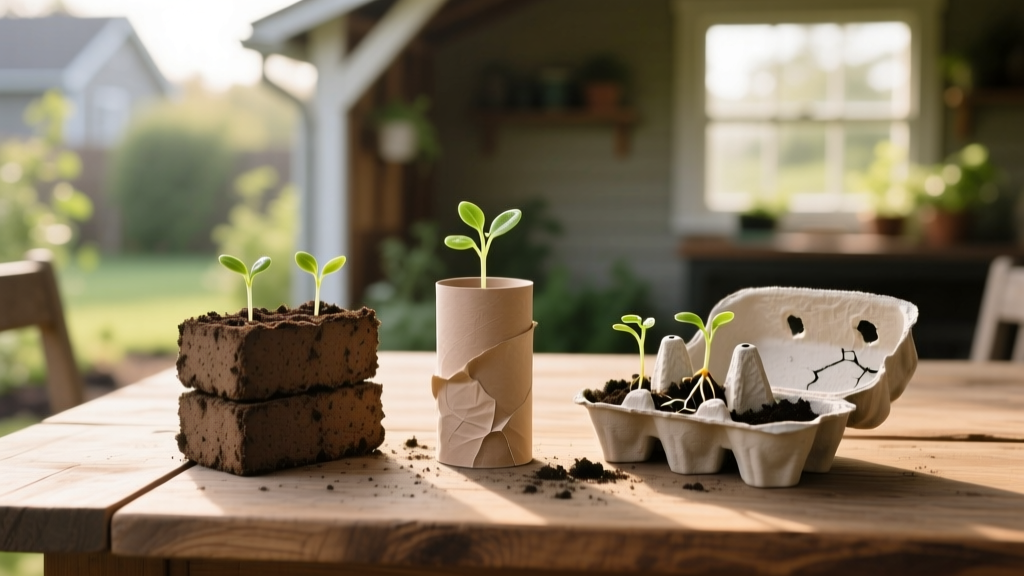
Viral Seed Starting Hacks: Soil Blocks & Upcycled Trays
David ParkPublished
The Rise of Viral Gardening Hacks
Scroll through TikTok, Instagram Reels, or Pinterest, and you will inevitably encounter thousands of 'miracle' gardening hacks promising to save you money and boost your harvest. As a senior horticulturist, I see homeowners spending hours upcycling household waste into seed-starting containers, only to end up with damping-off disease, stunted seedlings, and a massive mess on their windowsills. While the internet is full of well-intentioned advice, not all viral trends are rooted in solid plant science.
Today, we are putting the most popular viral seed-starting hacks to the test. We will break down the actual costs, success rates, and botanical realities of soil blocking, toilet paper roll planters, cardboard egg cartons, and the famous winter sowing milk jug method. Grab your seed packets and a notepad; it is time to separate the horticultural facts from the social media fiction.
Hack #1: Soil Blocking (The Ultimate Viral Trend)
Soil blocking is arguably the most beneficial 'viral' trend to hit the gardening community in recent years, though it is actually a decades-old commercial farming technique popularized by Eliot Coleman. Instead of using plastic cell trays, you use a metal soil blocker to compress a specialized, heavily amended soil mix into freestanding cubes. Seeds are planted directly into the dimple on top of each block.
Why It Works: The Science of Air-Pruning
According to the extensive grower guides at Johnny's Selected Seeds, soil blocking promotes a phenomenon called 'air-pruning.' When a seedling's roots reach the edge of the soil block and are exposed to the air, the root tip stops growing and branches out laterally. This prevents the roots from circling and becoming pot-bound, which is a common issue with traditional plastic trays. When you transplant a soil block, the root system is already dense, fibrous, and primed for explosive growth, resulting in virtually zero transplant shock.
The Viral Soil Block Recipe
You cannot use standard potting soil for soil blocks; it will crumble and fall apart. You need a mix rich in peat or coco coir to act as a binder. Here is the proven recipe:
- 3 parts peat moss or coco coir (screened)
- 2 parts high-quality compost (finely sifted)
- 1 part perlite or coarse sand
- 1/2 cup garden lime per 5 gallons of mix (if using peat)
- 1/2 cup organic all-purpose fertilizer (like Espoma Garden-tone)
Cost & Timing: A high-quality metal soil blocker (like the Johnny's Selected Seeds Mini Blocker) costs around $35 to $45 upfront. However, because you never need to buy plastic replacement trays, it pays for itself in two seasons. Start your blocks 6 to 8 weeks before your last spring frost date.
Hack #2: Toilet Paper Roll Seed Starters
This is perhaps the most pervasive upcycling hack on the internet. The idea is simple: save your empty toilet paper and paper towel cardboard rolls, fold the bottoms to create a cup, fill them with seed-starting mix, and plant your seeds. It is free, biodegradable, and you can plant the entire roll directly into the garden.
The Reality: Mold and Moisture Wicking
While the concept sounds brilliant, cardboard is highly porous. In the humid environment required for seed germination (often under a plastic humidity dome), the cardboard stays perpetually wet. This creates the perfect breeding ground for mold and fungus gnats. Furthermore, the cardboard acts as a wick, pulling moisture away from the soil and drying out the delicate seedling roots in a matter of hours if you miss a single watering.
The Fix: If you are committed to using TP rolls, you must pack them tightly together in a waterproof tray so they support one another and dry out slightly slower. Remove the humidity dome the exact moment the seeds sprout, and place an oscillating fan nearby to increase airflow and prevent damping-off disease. Alternatively, plant the rolls in the ground before the cardboard begins to rot and collapse.
Hack #3: Egg Carton Seed Starting
Similar to toilet paper rolls, saving cardboard egg cartons is a beloved zero-waste gardening hack. However, egg cartons present a unique set of challenges that often lead to seedling failure.
Drainage and Space Constraints
Cardboard egg cartons lack adequate drainage. If you poke holes in the bottom, the wet cardboard tears and loses its structural integrity within a week. Additionally, the individual cells are incredibly shallow, meaning the soil volume is too small to sustain a seedling for the 4 to 6 weeks it takes to grow large enough for transplanting. You will end up having to 'pot up' the seedlings into larger containers anyway, defeating the purpose of the hack.
The Verdict: Skip the cardboard egg cartons. If you must use an upcycled egg carton, opt for the thick, clear plastic ones from the grocery store. Poke drainage holes in the bottom, use a humidity dome, and treat them exactly like standard plastic nursery flats.
Hack #4: The Winter Sowing Milk Jug Method
Winter sowing is a massive viral trend in cold-climate gardening circles, and for good reason: it actually works brilliantly. Popularized by Trudi Davidoff and extensively documented at WinterSown.org, this method involves using translucent plastic milk jugs as mini-greenhouses to sow seeds outdoors in the dead of winter.
How to Do It Correctly
- Prep the Jug: Wash a clean gallon milk jug and discard the cap (you will never need it again).
- Drainage: Poke 4 to 6 drainage holes in the bottom of the jug using a soldering iron or heated screwdriver.
- Cut and Hinge: Cut the jug almost all the way around the middle, leaving a 1-inch hinge near the handle so it opens like a clamshell.
- Soil and Sow: Fill the bottom with 3 inches of damp seed-starting mix. Sow your seeds (cold-hardy perennials, native wildflowers, and brassicas work best) and lightly cover them.
- Seal and Label: Close the jug and seal the cut line with heavy-duty duct tape. Label the jug with a grease pencil or paint pen (ink will fade in the sun).
- Set Outside: Place the jugs in a sunny outdoor location where they will receive rain and snow. The seeds will naturally stratify in the cold and germinate when spring temperatures arrive.
Why It Works: The milk jug protects the seeds from birds and harsh winds while allowing rain and snow to enter through the open spout. It eliminates the need for expensive indoor grow lights and the tedious process of hardening off seedlings.
Comparison Chart: Viral Seed Starting Methods
To help you decide which method is right for your garden this spring, we have compiled a direct comparison of these trending hacks based on cost, success rate, and labor.
| Method | Initial Cost | Mold Risk | Transplant Shock | Overall Verdict |
|---|---|---|---|---|
| Soil Blocks | $35 - $50 (Blocker Tool) | Low | None (Air-Pruned) | Highly Recommended |
| Toilet Paper Rolls | Free (Upcycled) | Very High | Moderate | Not Recommended |
| Plastic Egg Cartons | Free (Upcycled) | Moderate | High (Root Circling) | Use with Caution |
| Winter Sowing Jugs | Free (Upcycled) | Low (Outdoor Airflow) | None | Highly Recommended |
| Traditional Plastic Trays | $10 - $20 | Moderate | Moderate | Industry Standard |
Expert Tips for Seed Starting Success
Regardless of the viral hack you choose to employ, the fundamental rules of seed germination remain unchanged. The Penn State Extension emphasizes that light, temperature, and moisture management are the true keys to success, far outweighing the type of container you use.
'Seeds require consistent moisture to germinate, but seedlings require excellent drainage and airflow to survive. The transition from a humid germination environment to a drier growing environment is where most home gardeners fail.'
Lighting and Temperature
Do not rely on a sunny windowsill. Glass filters out essential light spectrums, and the angle of the winter sun will cause your seedlings to stretch, becoming 'leggy' and weak. Invest in a full-spectrum LED grow light and keep it positioned just 2 to 4 inches above the seedling canopy. Raise the light as the plants grow. Keep the lights on a timer for 14 to 16 hours a day to mimic long summer days.
For germination, most summer crops (tomatoes, peppers, eggplants) require a soil temperature of 75°F to 85°F. Use a seedling heat mat to ensure consistent bottom heat, but remember to unplug the mat once the seeds have sprouted to prevent cooking the delicate roots.
Watering from Below
Never water seedlings from the top. The force of the water can dislodge tiny seeds, and wet foliage invites fungal diseases. Instead, use the bottom-watering method. Place your soil blocks, TP rolls, or plastic trays into a shallow waterproof basin, and pour water into the basin. The soil will wick the moisture upward through capillary action, ensuring the roots get exactly what they need while the surface remains relatively dry.
Final Thoughts
While social media is a fantastic place to find gardening inspiration, it is crucial to filter viral hacks through the lens of practical horticulture. Ditch the moldy toilet paper rolls and shallow egg cartons. Instead, invest the time into mastering soil blocking for your indoor summer crops, and utilize the winter sowing milk jug method for your cold-hardy perennials and native flowers. By combining the best of internet trends with proven botanical science, you will be rewarded with robust, healthy seedlings ready to dominate your garden this season.
