Gardening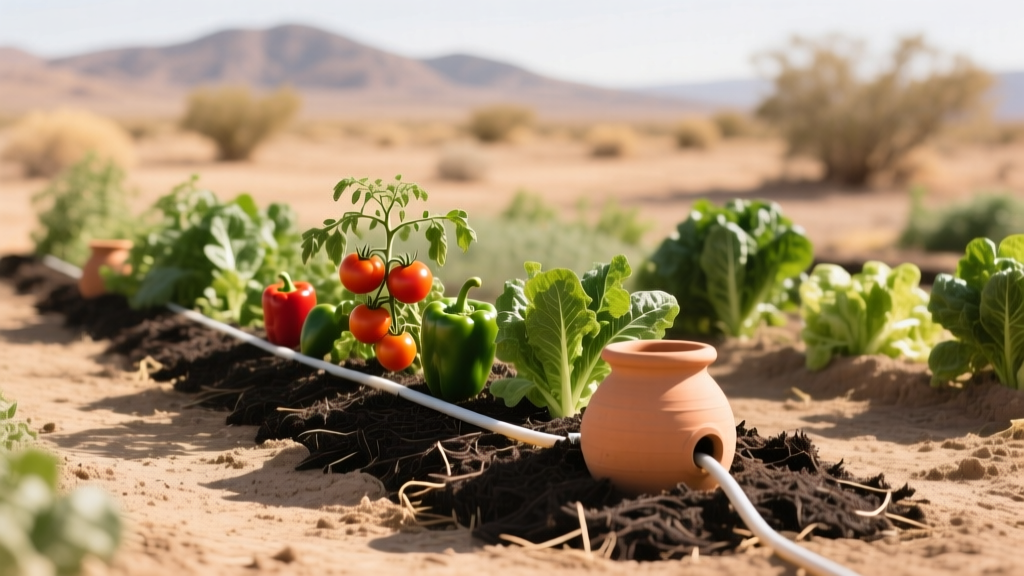
Water-Wise Vegetable Gardening: Ollas, Drip Tape and Mulch
Sarah ChenPublished
Introduction to Water-Wise Vegetable Gardening
Growing a thriving vegetable garden during a drought or under strict municipal water restrictions can feel like an uphill battle. However, by shifting from traditional overhead watering to targeted, water-wise irrigation methods, home gardeners can drastically reduce their water footprint while actually improving crop yields. According to the Environmental Protection Agency (EPA), outdoor water use accounts for nearly 30% of total household water consumption, and in arid regions, this number can spike to 60%. By adopting ancient techniques like clay pot irrigation alongside modern drip systems and deep mulching, you can cultivate a resilient, drought-tolerant vegetable garden. This comprehensive guide will walk you through the exact measurements, costs, and installation steps required to transform your garden into a water-efficient oasis.
The Ancient Magic of Ollas (Clay Pot Irrigation)
Ollas (pronounced "oy-yahs") are unglazed, porous clay vessels that have been used for thousands of years to irrigate crops in arid climates. The science behind ollas relies on soil moisture tension. When the surrounding soil dries out, it creates a suction effect that pulls water through the microscopic pores of the unglazed clay. Conversely, when the soil is saturated, the tension equalizes, and the water stops seeping out. This prevents overwatering and ensures that water is delivered directly to the root zone, eliminating surface evaporation entirely.
To implement an olla system in your raised beds or in-ground garden, select unglazed terracotta pots with a capacity of 1 to 3 gallons. Bury the olla in the soil, leaving the top 2 inches exposed above the ground to prevent soil and debris from washing inside. For a standard 1-gallon olla, the effective watering radius is approximately 18 inches. Therefore, space your ollas about 3 feet apart in a grid pattern to ensure overlapping coverage for sprawling crops like tomatoes, squash, and melons. Plant your vegetable seedlings within 12 inches of the olla's base. Keep the ollas filled with water every 2 to 4 days, depending on the heat. A high-quality, frost-resistant 1-gallon olla typically costs between $20 and $35. While the initial investment is higher than a standard soaker hose, ollas can last for decades if drained and stored indoors during freezing winter months, making them a highly cost-effective, long-term drought solution.
Drip Tape vs. Drip Line: Precision Hydration
While ollas are perfect for deep-rooted, sprawling plants, drip irrigation remains the gold standard for row crops, leafy greens, and dense plantings. Drip systems deliver water slowly and directly to the soil surface, minimizing evaporation and runoff. When designing a water-wise vegetable garden, you must choose between drip tape and drip line. Both are highly effective, but they serve different purposes and budgets.
Drip tape is a thin-walled, flat polyethylene tube that inflates when water is pressurized. It features pre-punched emitters, usually spaced 8 to 12 inches apart. Drip tape is incredibly affordable, costing roughly $0.05 to $0.10 per foot, making it ideal for large, straight rows of corn, beans, or carrots. However, its thin walls (typically 6 to 15 mil) make it susceptible to punctures from garden tools and UV degradation, meaning it usually needs replacement every 1 to 3 seasons.
Drip line, on the other hand, is a thick-walled, rigid tubing with built-in cylindrical emitters. It costs more upfront—about $0.25 to $0.40 per foot—but can last 10 to 15 years. It is highly durable, resistant to clogging, and perfect for permanent raised beds and perennial crops. To ensure your drip system operates efficiently, you must install a pressure regulator to reduce standard household water pressure (usually 40 to 60 PSI) down to the 15 to 25 PSI required for drip systems. Additionally, always attach a 200-mesh filter to prevent mineral deposits and debris from clogging the emitters. The Texas A&M AgriLife Extension notes that properly maintained drip irrigation systems can achieve up to 90% water use efficiency, compared to just 50% to 70% for traditional sprinklers.
| Feature | Drip Tape (Thin-Wall) | Drip Line (Thick-Wall) |
|---|---|---|
| Wall Thickness | 6 to 15 mil | 0.9 to 1.2 mm |
| Lifespan | 1 to 3 seasons | 10 to 15 years |
| Cost per Foot | $0.05 to $0.10 | $0.25 to $0.40 |
| Best Use Case | Long, straight rows of annual crops | Permanent raised beds, perennials |
| Durability | Low (prone to punctures/UV damage) | High (crush and UV resistant) |
Deep Mulching and Soil Amendments
Irrigation efficiency is only half the battle; retaining the water you apply is equally critical. Deep mulching acts as a physical barrier against the sun and wind, drastically reducing soil surface evaporation. For vegetable gardens, organic mulches like weed-free straw, shredded leaves, or untreated grass clippings are superior to wood chips, as they break down over the season and add valuable organic matter to the soil. Apply a 3 to 4-inch layer of straw around your plants once they are established and the soil has warmed in late spring. Be sure to keep the mulch 2 inches away from the direct base of the plant stems to prevent rot and deter rodent nesting.
Beneath the mulch, your soil composition dictates its water-holding capacity. The USDA Natural Resources Conservation Service (NRCS) emphasizes that increasing soil organic matter by just 1% can increase the soil's water holding capacity by up to 20,000 gallons per acre. Before planting, amend your garden beds by top-dressing with 2 to 3 inches of high-quality compost and incorporating it into the top 6 inches of soil. For sandy soils that drain too rapidly, consider adding biochar. Biochar is a highly porous form of charcoal that acts like a microscopic sponge, holding onto water and nutrients that would otherwise leach away. Mixing 10% biochar by volume into your raised bed soil can reduce watering frequency by up to 30% in peak summer heat.
Seasonal Timing and Maintenance
Transitioning to a water-wise garden requires a shift in seasonal timing and maintenance routines. Install your drip lines or bury your ollas before planting your seeds or transplants to avoid disturbing delicate root systems later in the season. Water your garden deeply in the early morning hours (between 4:00 AM and 7:00 AM) to allow foliage to dry and to minimize evaporative losses caused by midday sun and wind. Regularly inspect your drip emitters for clogs and flush the ends of your drip lines once a month to clear out sediment. By combining the ancient efficiency of ollas, the precision of modern drip tape, and the protective barrier of deep organic mulch, you can successfully grow a bountiful vegetable harvest while respecting local water resources and weathering drought conditions with confidence.
