Gardening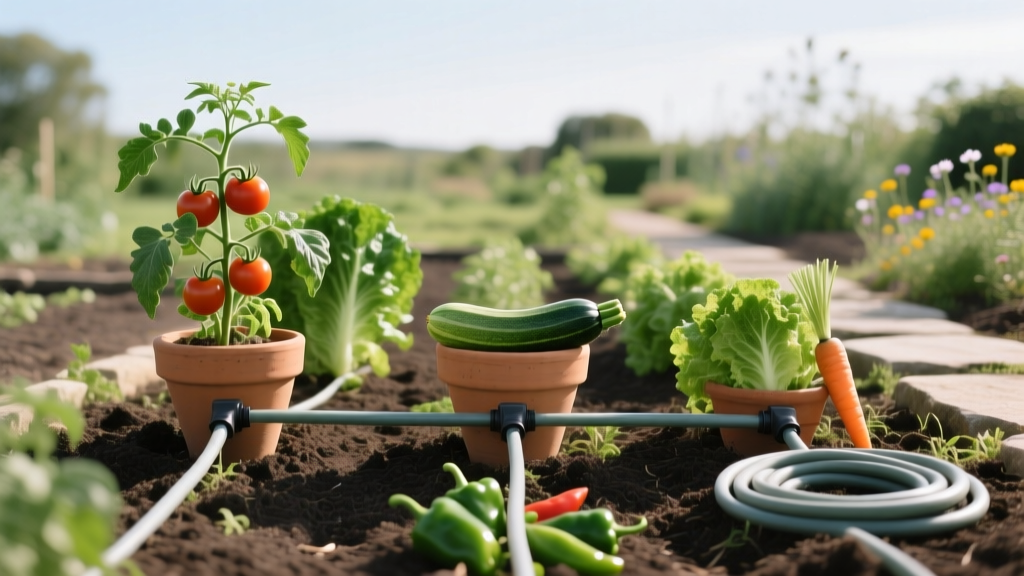
Water-Wise Irrigation for Vegetable Gardens: Olla vs Drip
Lisa ThompsonPublished
Introduction to Water-Wise Vegetable Gardening
As drought conditions and municipal water restrictions become increasingly common across North America, home gardeners are being forced to rethink how they cultivate their crops. According to the Environmental Protection Agency (EPA), outdoor water use can account for up to 60% of total household water consumption in arid regions. Transitioning to a water-wise gardening approach is no longer just an eco-friendly bonus; it is a practical necessity for anyone looking to maintain a productive vegetable garden through the peak heat of summer.
Water-wise gardening, often associated with xeriscaping, does not mean sacrificing your harvest. Instead, it involves optimizing soil hydrology, selecting appropriate irrigation delivery methods, and reducing evapotranspiration. In this comprehensive guide, we will break down the three most effective drought-proof irrigation systems for raised beds and in-ground vegetable gardens: Olla clay pots, drip irrigation, and soaker hoses. We will also provide a step-by-step actionable setup guide to help you maximize every drop.
The Science of Soil Moisture Tension
Before comparing hardware, it is vital to understand how plants drink. Plant roots absorb water based on soil moisture tension. When soil dries out, the tension increases, making it harder for roots to extract moisture. Traditional overhead watering wets the foliage (inviting fungal diseases) and rapidly evaporates from the topsoil. Water-wise systems deliver moisture directly to the root zone, maintaining consistent soil moisture tension and encouraging deep, drought-resistant root growth.
Method 1: Olla Irrigation (Unglazed Clay Pots)
Olla (pronounced 'oy-yah') irrigation is an ancient, highly efficient technique that utilizes unglazed, porous terracotta pots buried in the soil. You fill the pot with water, and the water slowly seeps through the clay walls directly into the surrounding soil via capillary action.
How It Works
The seepage rate is dictated by the soil's moisture tension. If the surrounding soil is wet, the water stays in the pot. As the plant roots draw moisture from the soil and the soil dries, the tension pulls water through the clay. This creates a perfect, self-regulating irrigation system that prevents overwatering and eliminates runoff.
Practical Application and Costs
- Cost: $15 to $45 per specialized Olla pot (depending on size, typically 1 to 3 gallons).
- Spacing: A 1-gallon Olla effectively waters a 3-foot diameter circle. For a 4x8 foot raised bed, you will need four to six 1-gallon Ollas.
- Installation: Bury the pot up to its neck. Leave the top exposed to fill with water, and always use a lid to prevent mosquito breeding and debris accumulation.
- Best For: Deep-rooted crops like tomatoes, peppers, and squash.
Method 2: Drip Irrigation Systems
Drip irrigation uses a network of flexible tubing and emitters to deliver water drop-by-drop to the base of each plant. The Texas A&M AgriLife Extension notes that drip systems can achieve up to 90% water-use efficiency, compared to just 50-70% for traditional sprinklers.
System Components
A proper drip system requires more than just tubing. You must install a backflow preventer, a mesh filter (to prevent emitter clogging), and a pressure regulator (to drop household water pressure from 60 PSI down to the 15-25 PSI required for drip lines). Use 1/2-inch mainline poly tubing and punch in 1/4-inch micro-tubing with 1 GPH (gallon per hour) or 2 GPH button emitters.
Practical Application and Costs
- Cost: $60 to $120 for a comprehensive 100-foot starter kit.
- Maintenance: Emitters must be checked monthly for clogs, and the system must be blown out or drained before winter freezes.
- Best For: Row crops, raised beds with diverse plant spacing, and automated watering via digital timers.
Method 3: Soaker Hoses
Soaker hoses are typically made from recycled rubber and are designed to weep water along their entire length. While they are the easiest to deploy, they are the least precise of the three methods.
Pros and Cons
Soaker hoses are inexpensive and require no assembly—just unroll and connect to a spigot. However, they suffer from uneven water distribution. The end of the hose closest to the faucet receives higher pressure and more water than the far end. Furthermore, they are highly susceptible to clogging from mineral deposits and are easily damaged by garden hoes and UV exposure.
- Cost: $20 to $35 for a 50-foot hose.
- Lifespan: 1 to 3 seasons before rubber degrades.
- Best For: Long, straight rows of shallow-rooted crops like carrots, radishes, and leafy greens.
Comparison Chart: Choosing Your Water-Wise System
| Feature | Olla Clay Pots | Drip Irrigation | Soaker Hoses |
|---|---|---|---|
| Water Efficiency | 95%+ (Self-regulating) | 85% - 90% | 60% - 75% |
| Initial Cost | High ($15-$45 per pot) | Medium ($60-$120 kit) | Low ($20-$35) |
| Setup Time | High (Requires digging) | Medium (Cutting & punching) | Low (Unroll & connect) |
| Maintenance | Low (Refill & winterize) | High (Filter & clog checks) | Medium (Replace often) |
| Automation | Manual fill (usually) | Fully automatable | Fully automatable |
| Best Application | Tomatoes, Peppers, Squash | Mixed raised beds, rows | Shallow root crops, hedges |
Actionable Setup Guide: The Hybrid Olla-Drip Raised Bed
For the ultimate drought-resistant vegetable garden, we recommend a hybrid approach. This combines the deep-root watering of Ollas with the surface-level consistency of drip lines, ensuring both deep taproots and shallow feeder roots are hydrated.
Step 1: Soil Preparation and Hydrozoning
Water-wise irrigation fails if the soil cannot retain moisture. Amend your raised bed soil with 30% high-quality compost and 5% biochar. Biochar acts like a microscopic sponge, increasing the soil's water-holding capacity by up to 20%. Group plants with similar water needs together (hydrozoning). Place heavy drinkers like tomatoes near the Ollas, and drought-tolerant herbs like rosemary and thyme near the edges.
Step 2: Burying the Ollas
Before planting, map out your bed. For a standard 4x8 foot bed, mark four spots forming a diamond pattern, spaced roughly 3 feet apart. Dig holes deep enough so the Olla sits with only 1 inch of the neck exposed above the soil line. Backfill the soil tightly around the pot to eliminate air pockets, which would otherwise break the capillary bridge between the clay and the soil. Fill the Ollas with water and let them sit for 24 hours to pre-moisten the surrounding soil matrix.
Step 3: Installing the Perimeter Drip Line
Run a 1/2-inch drip mainline around the interior perimeter of the raised bed. Punch in 2 GPH emitters every 12 inches along the tubing. This perimeter line will water shallow-rooted companion plants, leafy greens, and the outer edges of the bed that the Ollas might not fully reach. Connect the mainline to a pressure regulator and a battery-operated digital timer set to run for 20 minutes every third day, adjusting based on local evapotranspiration rates.
Step 4: The Critical Mulch Layer
No water-wise system is complete without mulch. Apply a 3-inch layer of arborist wood chips or shredded leaves over the entire soil surface, keeping the mulch a few inches away from the direct stems of your plants and leaving the tops of the Ollas exposed. According to research published by the University of California Agriculture and Natural Resources (UC ANR), a thick organic mulch layer can reduce soil surface evaporation by over 70% and keep root zones up to 10 degrees cooler during peak summer heat.
Seasonal Maintenance and Winterization
To protect your investment, proper end-of-season care is crucial. Olla pots are made of porous clay and will shatter if water freezes inside them. In late autumn, empty all Ollas, dig them up, scrub them with a stiff brush and white vinegar (to remove mineral deposits and algae), and store them in a garage or shed. Drip lines should be disconnected, drained completely, and stored indoors, or blown out with a low-pressure air compressor if left in the ground. Soaker hoses should simply be discarded or recycled once they begin to leak unevenly.
Conclusion
Adopting water-wise irrigation methods is a transformative step for any home gardener facing drought conditions. While Olla pots offer unmatched, self-regulating efficiency for heavy-feeding crops, drip irrigation provides the versatility needed for diverse garden layouts. By combining these targeted delivery systems with moisture-retentive soil amendments and heavy mulching, you can cultivate a lush, highly productive vegetable garden while drastically reducing your outdoor water footprint.
