
Landscaping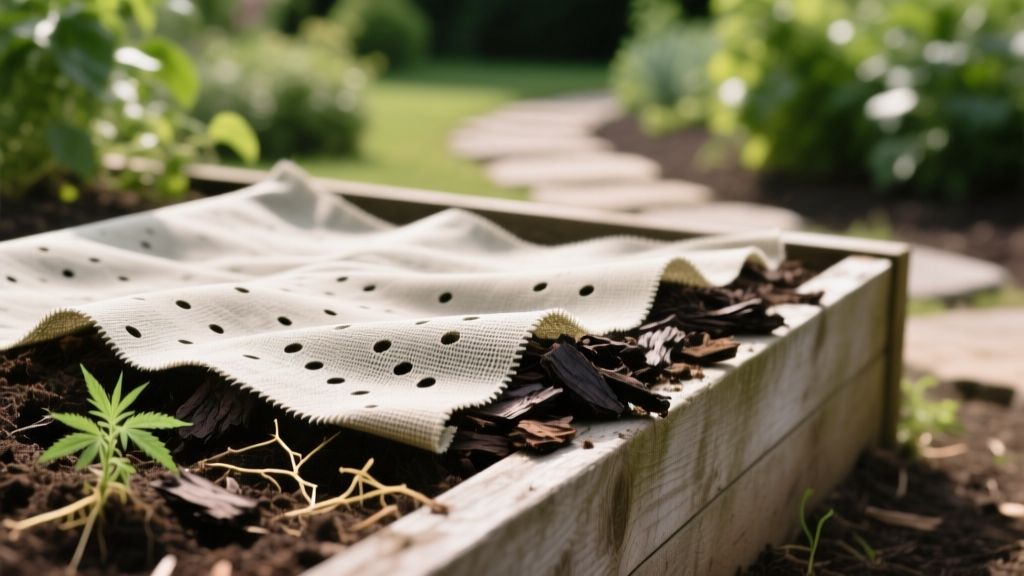
5 Landscaping Myths Busted: The Truth About Weed Fabric
David ParkPublished
The Billion-Dollar Weed Control Illusion
Every spring, homeowners spend billions of dollars on landscaping supplies in a relentless quest to achieve a weed-free garden. Walk into any big-box home improvement store, and you will be greeted by towering displays of woven landscape fabrics, heavy plastic sheeting, and chemical herbicides promising a maintenance-free utopia. But what if the very products you are installing are actually destroying your soil ecology, harming your plants, and guaranteeing worse weed problems in the future?
As a senior landscaping writer for Lawns Guide, I have spent years testing horticultural practices and interviewing extension agents. The reality of landscape maintenance is often vastly different from the marketing copy on the packaging. Today, we are diving deep into the "Myth-Busting & Fact vs. Fiction" of weed control, mulch, and landscape fabric. Grab your gardening gloves, because we are about to debunk five of the most pervasive landscaping myths and replace them with actionable, science-backed strategies.
Myth 1: Landscape Fabric Permanently Stops Weeds
The Fiction: If you lay down commercial-grade woven landscape fabric before adding mulch, you will never have to pull a weed again. The fabric blocks sunlight, suffocating weeds while allowing rain to penetrate the soil.
The Fact: Landscape fabric is arguably the most regretted hardscaping material in modern gardening. According to extensive research published by the Washington State University Extension, landscape fabric fails on multiple fronts within just two to three years of installation.
"Weeds do not just grow under the fabric; they grow on top of it. Dust, dirt, and decomposing mulch accumulate on the surface of the fabric, creating a perfect seedbed for wind-blown weed seeds." — WSU Extension Report on Landscape Fabric
Furthermore, aggressive perennial weeds like bindweed and Bermudagrass will simply grow right through the woven pores. When their roots intertwine with the fabric mesh, pulling the weeds becomes a Herculean task that often rips the fabric, rendering it useless. Finally, fabric severely restricts the vital exchange of oxygen and carbon dioxide between the soil and the atmosphere, effectively suffocating the beneficial microbes and earthworms that keep your soil healthy.
The Actionable Solution: Sheet Mulching
Instead of spending $0.25 to $0.45 per square foot on synthetic fabric, use the "lasagna gardening" or sheet mulching method.
- Step 1: Mow or weed-whack existing vegetation down to the dirt.
- Step 2: Lay down overlapping sheets of plain, uncoated corrugated cardboard (remove all plastic tape and staples). You can source heavy-duty 1/2-inch cardboard from suppliers like Uline or save your appliance delivery boxes.
- Step 3: Wet the cardboard thoroughly with a garden hose.
- Step 4: Cover immediately with 3 to 4 inches of arborist wood chips or shredded hardwood mulch.
The cardboard blocks 100% of sunlight, killing the weeds underneath, and then naturally decomposes into rich organic matter within 6 to 9 months, feeding your soil rather than choking it.
Myth 2: Thicker Mulch is Always Better for Weed Suppression
The Fiction: Piling 6 to 8 inches of bark mulch around your trees and shrubs will guarantee zero weeds and protect the roots from extreme temperatures.
The Fact: More is not always better. The practice of piling mulch high against the base of a tree—often referred to as a "mulch volcano"—is a fatal landscaping error. The Penn State Extension explicitly warns that excessive mulch depth leads to stem rot, encourages girdling roots, and provides a warm, moist winter habitat for bark-gnawing rodents like voles and mice.
The Actionable Solution: The 3-3-3 Rule
For optimal weed suppression and tree health, follow the industry-standard 3-3-3 rule:
- 3 Inches Deep: A 2 to 3-inch layer of mulch is scientifically proven to block weed seed germination while allowing water infiltration. Any thicker, and you risk creating a hydrophobic barrier that sheds water away from the root zone.
- 3 Feet Wide: Create a mulch ring that extends at least 3 feet from the trunk to eliminate competition from turfgrass.
- 3 Inches Away: Keep the mulch at least 3 inches away from the actual trunk of the tree. The root flare should always be visible and exposed to the air.
Myth 3: Gravel and River Rock are Zero-Maintenance Weed Barriers
The Fiction: Because inorganic materials like pea gravel, crushed granite, and river rock do not decompose, they are a permanent, maintenance-free solution for garden beds.
The Fact: While it is true that rocks do not break down into soil, they are incredibly high-maintenance when it comes to weed control. Over time, falling leaves, dirt, and organic debris settle into the crevices between the rocks. This creates a shallow, highly aerated layer of topsoil perfectly suited for weeds. Pulling weeds from a gravel bed is significantly more difficult than pulling them from wood mulch, as the roots grip the stones tightly. Additionally, dark river rock absorbs intense solar radiation, raising soil temperatures to levels that can cook the shallow feeder roots of your ornamental plants.
The Actionable Solution: If you must use gravel for aesthetic or drainage reasons (such as in a dry creek bed or xeriscape), you still need a barrier. However, instead of fabric, use a 2-inch base layer of coarse sand or crushed stone dust, compacted firmly, before adding your decorative rock. For planting beds, stick to organic mulches that improve soil structure over time.
Myth 4: You Must Remove Old Mulch Every Year Before Adding More
The Fiction: Old mulch harbors diseases and fungi, so you must rake it out, bag it, and haul it to the dump before applying fresh mulch every spring.
The Fact: This myth is largely perpetuated by landscaping companies looking to charge you for double the labor and material removal fees. The University of Florida IFAS notes that as organic mulch breaks down, it adds vital humus and nutrients to the soil profile. Removing it is a waste of money and strips your garden beds of valuable topsoil.
The Actionable Solution: The Fluff and Top Method
Unless the old mulch is matted, hydrophobic, or harboring visible fungal pathogens (like artillery fungus), leave it in place.
- Timing: In early spring, use a steel bow rake to vigorously "fluff" or turn the existing mulch. This breaks up any crusted layers, aerates the soil, and exposes buried weed seeds to the elements.
- Topping: Measure your existing depth. If you have 2 inches of decomposed mulch, you only need to purchase enough fresh mulch to add a 1-inch top dressing to reach the 3-inch sweet spot.
- Cost Savings: By topping rather than replacing, a standard 100-square-foot bed will only require about 0.3 cubic yards of mulch annually instead of a full cubic yard, saving you roughly $25 to $40 per bed, per year.
Comparing Weed Control Methods: Fact vs. Fiction
To help you budget and plan your next landscaping project, here is a data-driven comparison of the most common weed control methods over a three-year timeline.
| Method | Upfront Cost (per 100 sq ft) | Year 1 Weed Suppression | Year 3 Weed Suppression | Soil Health Impact | Ease of Weed Removal |
|---|---|---|---|---|---|
| Woven Landscape Fabric + Mulch | $35 - $55 | High | Low (Weeds root through mesh) | Negative (Blocks gas/water exchange) | Very Difficult (Roots tangle in fabric) |
| Cardboard Sheet Mulch + Wood Chips | $10 - $20 (or Free) | Very High | Moderate (Cardboard decomposes) | Highly Positive (Adds organic matter) | Very Easy (Pulls cleanly from loose soil) |
| Gravel / River Rock (No Barrier) | $40 - $80 | Moderate | Low (Debris creates soil beds) | Neutral to Negative (Heat retention) | Difficult (Roots grip stones) |
| 3-Inch Organic Wood Mulch Only | $15 - $25 | High | Moderate (Mulch decomposes) | Positive (Feeds soil microbiome) | Easy |
Myth 5: Pre-Emergent Herbicides are the Only Guarantee
The Fiction: To stop weeds before they start, you must apply synthetic chemical pre-emergents like trifluralin (Preen) every single month.
The Fact: While pre-emergent herbicides are effective at inhibiting cell division in germinating seeds, they do not kill existing weeds, nor do they stop perennial weeds that spread via rhizomes or stolons. Furthermore, applying them too early or too late renders them completely useless, wasting money and introducing unnecessary chemicals into the local watershed.
The Actionable Solution: Temperature-Timed Application
If you choose to use a pre-emergent, timing is dictated by soil temperature, not the calendar.
- Measurement: Use a soil thermometer to check the temperature at a 2-inch depth. The magic number for most common landscape weeds (and crabgrass in nearby lawns) is 55°F. When the soil consistently hits 55°F for three to four consecutive days, it is time to apply.
- Organic Alternatives: If you prefer to avoid synthetics, Corn Gluten Meal (CGM) is a natural pre-emergent that also provides a slow-release nitrogen boost. Apply CGM at a rate of 20 pounds per 1,000 square feet just as forsythia bushes begin to bloom in your area—a reliable phenological indicator that soil temperatures are reaching the weed-germination threshold.
Conclusion: Work With Nature, Not Against It
The most beautiful, resilient landscapes are those that mimic natural ecosystems. In a forest, you will never find a sheet of black plastic beneath the fallen leaves. Nature uses organic matter to suppress weeds, retain moisture, and feed the soil food web. By ditching the landscape fabric, avoiding mulch volcanoes, and utilizing smart, science-backed sheet mulching techniques, you can save hundreds of dollars and countless hours of back-breaking labor. Stop fighting your garden with plastic and chemicals, and start building a landscape that thrives from the ground up.

