Lawn Care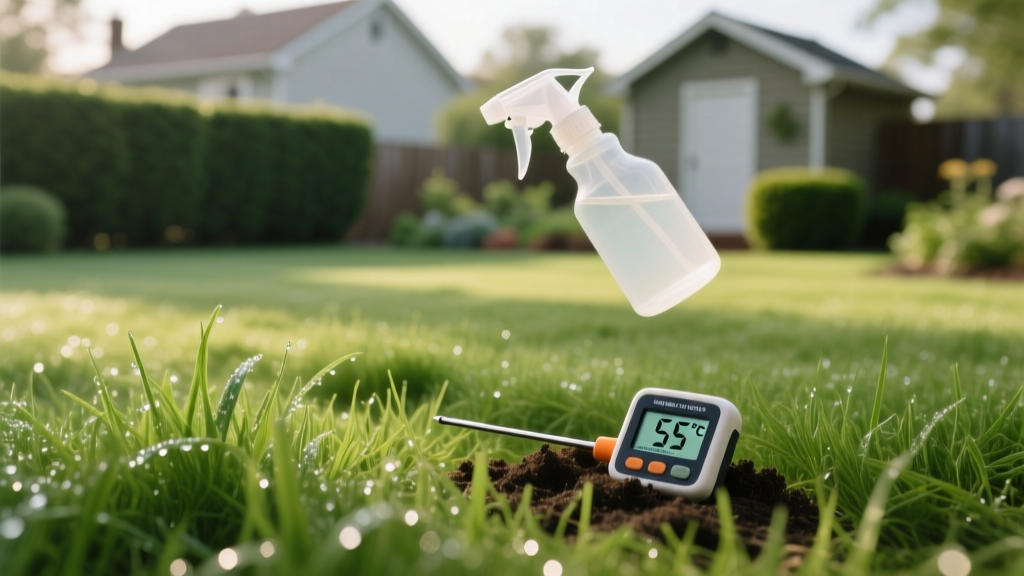
When to Apply Pre-Emergent Herbicide for Crabgrass
Anna KowalskiPublished
The Critical Importance of Pre-Emergent Timing
The battle against crabgrass (Digitaria) is one of the most common challenges faced by homeowners and lawn care professionals alike. Unlike broadleaf weeds that can be easily spotted and treated with post-emergent herbicides, crabgrass is an aggressive annual grass that germinates from seed, rapidly outcompetes your desirable turf, and dies off in the fall, leaving behind thousands of seeds for the next year. The most effective way to win this battle is by using a pre-emergent herbicide. However, the efficacy of these products is entirely dependent on precise timing. Apply too early, and the chemical barrier degrades before the seeds germinate. Apply too late, and the crabgrass has already sprouted, rendering the pre-emergent completely useless. This comprehensive timing guide will teach you how to read environmental cues, measure soil temperatures, and select the right products for a flawless, weed-free lawn.
Understanding the Pre-Emergent Barrier
A common misconception is that pre-emergent herbicides prevent seeds from germinating. In reality, they do not stop germination. Instead, they create a chemical barrier in the top one to two inches of the soil profile. When the crabgrass seed germinates and the young radical (root) attempts to grow through this barrier, the herbicide inhibits cell division and microtubule assembly. The seedling dies before it can emerge from the soil and begin photosynthesizing. Because this barrier is fragile, any disruption to the soil surface—such as heavy raking, core aeration, or severe dethatching—after application can break the seal and allow weeds to penetrate. Therefore, timing your application before the germination window, and leaving the soil undisturbed afterward, is paramount.
The Golden Rule: Soil Temperature Over Calendar Dates
Amateur gardeners often rely on calendar dates or air temperatures to dictate their lawn care schedules. This is a critical mistake. Crabgrass seeds do not care what month it is; they only respond to the temperature of their immediate environment. According to turfgrass scientists, crabgrass germination begins when the soil temperature at a two-inch depth reaches a consistent 53°F to 55°F for several consecutive days. To measure this accurately, you must use a dedicated soil thermometer. Insert the probe two inches into the soil in a sunny, south-facing area of your lawn, as these microclimates warm up first and are usually the first to experience crabgrass outbreaks. Take readings in the morning for the most stable baseline data.
Soil Temperature and Environmental Thresholds
| Metric | Target Threshold | Strategic Notes |
|---|---|---|
| Soil Temp (2-inch depth) | 53°F - 55°F | Must be sustained for 3 to 5 consecutive days. |
| Air Temperature | Consistent 60s | Daytime highs should consistently reach the mid-60s. |
| Growing Degree Days (GDD) | 200 GDD | Calculated with a base temperature of 50°F. |
| Phenological Indicator | Forsythia Blooms | Apply when forsythia petals are dropping, not just opening. |
For those who do not own a soil thermometer, phenological indicators—observable natural events—can serve as excellent proxies. As noted by Penn State Extension, the blooming of forsythia bushes is a classic indicator. However, do not apply the herbicide when the flowers first open. Wait until the bright yellow petals are actively dropping to the ground, which aligns much more closely with the 55°F soil temperature threshold.
Top Pre-Emergent Products and Application Rates
Selecting the right active ingredient is just as important as the timing. Different chemicals offer varying lengths of residual control and application windows.
1. Prodiamine (Barricade)
Prodiamine is the gold standard for long-lasting crabgrass prevention. It creates a highly stable barrier that can last anywhere from four to six months, depending on the application rate. A standard homeowner product like The Andersons 0.48% Prodiamine granular requires an application rate of roughly 3 to 4 pounds per 1,000 square feet. For liquid applications using a 65 WDG (water-dispersible granule) formulation, the rate is approximately 0.5 to 1.0 ounces per 1,000 square feet. A single bottle of liquid Prodiamine costs between $50 and $70 and can treat over an acre of turf, making it highly cost-effective.
2. Dithiopyr (Dimension)
Dithiopyr offers a unique advantage: it has early post-emergent activity. If you miss the strict pre-emergent window and crabgrass has just sprouted (up to the one-tiller stage), Dithiopyr can still kill the young seedling while providing a residual barrier for the rest of the season. According to research highlighted by the University of Minnesota Turf Science program, this extended window makes Dithiopyr an excellent choice for homeowners who struggle with exact spring timing. Liquid Dimension 2EW typically costs around $80 to $100 per quart.
3. Pendimethalin (Pendulum)
Pendimethalin is another reliable pre-emergent, though it generally has a shorter residual lifespan than Prodiamine. It requires strict watering-in immediately after application to prevent photodegradation (breakdown from sunlight). It is a solid, budget-friendly option but requires more precise timing and irrigation management.
The Split Application Strategy
For the most bulletproof crabgrass defense, lawn care professionals utilize a split application strategy. Instead of applying the full seasonal rate of pre-emergent in early spring, the total annual rate is divided in half. The first half is applied when soil temperatures reach 50°F (early spring), and the second half is applied 8 to 10 weeks later (late spring to early summer). This approach ensures that the chemical barrier remains thick and intact through the late summer heat, protecting against late-flushing crabgrass and other summer annual weeds like goosegrass and spurge.
Regional Timing Guide for Spring Applications
Because soil temperatures vary drastically by geography, your location dictates your specific application window. Use this regional guide as a baseline, but always verify with your local soil thermometer.
- Northern Zone (USDA Zones 3-5): States like Minnesota, Michigan, and New York typically see soil temperatures hit the 55°F mark between late April and mid-May. Target the last two weeks of April for your primary application.
- Transition Zone (USDA Zones 6-7): States like Virginia, Kentucky, and Missouri experience highly variable springs. Aim for early to mid-April. The forsythia petal-drop method is highly reliable in this zone.
- Southern Zone (USDA Zones 8-10): In states like Florida, Texas, and Georgia, crabgrass can germinate as early as February. Applications must be made in late February to early March, well before northern gardeners even think about spring lawn care.
For a localized approach, NC State Extension recommends monitoring local university turfgrass weather stations, which often provide real-time GDD (Growing Degree Day) trackers specifically calibrated for turf managers.
Crucial Application Rules for Maximum Efficacy
Even if your timing is perfect, poor application techniques will result in a lawn full of weeds. Follow these strict protocols:
- Mow First: Mow your lawn slightly lower than usual and bag the clippings to remove debris, allowing the herbicide to make direct contact with the soil surface.
- Water It In: Pre-emergent herbicides must be activated by moisture. You must apply 0.25 to 0.5 inches of water via rainfall or irrigation within 14 days of application. If no rain is in the forecast, turn on your sprinklers immediately after spreading the product.
- Do Not Disturb: Avoid core aeration, deep raking, or heavy foot traffic on treated areas, as this breaks the chemical barrier.
- Overseeding Conflicts: Standard pre-emergents will prevent your desirable grass seed from germinating. If you plan to overseed in the spring, you must skip the pre-emergent or use a specialized, seed-safe product like Tenacity (mesotrione), which is significantly more expensive and requires careful application.
Don't Forget Fall Timing for Poa Annua
While spring is for crabgrass, late summer and early fall are for Poa Annua (annual bluegrass). Poa Annua germinates when soil temperatures drop below 70°F in the late summer. To prevent this highly invasive and difficult-to-kill grass, apply a fresh round of Prodiamine or Dimension between mid-August and early September, depending on your region. Mastering both the spring and fall pre-emergent windows is the ultimate secret to a pristine, professional-grade lawn.