Tree Care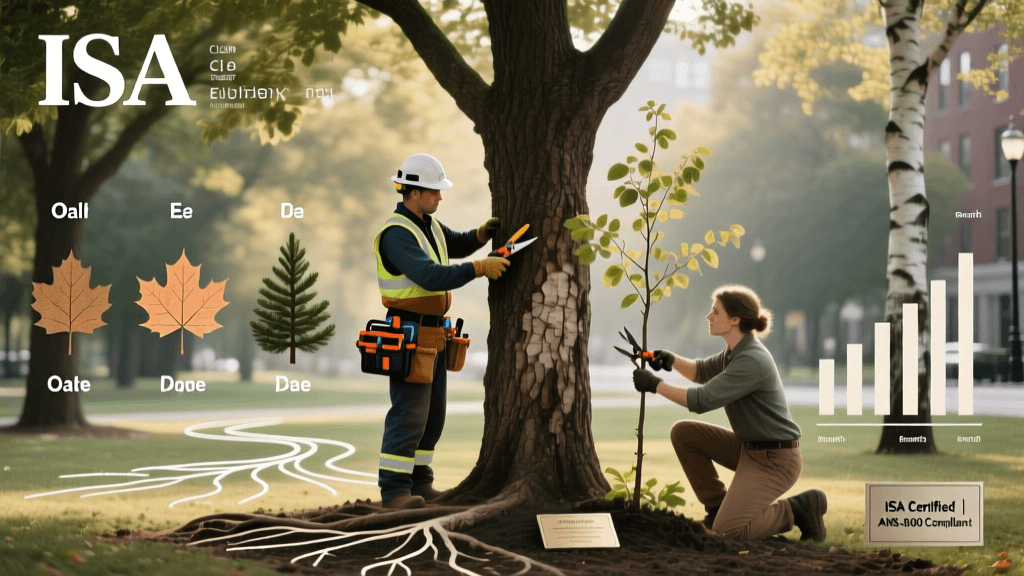
When To Call An Arborist Vs Diy Tree Care
Understanding the Limits of DIY Tree Care
Most homeowners can handle basic tree maintenance — watering young transplants, mulching around the base, or removing a small dead branch within arm's reach. But trees are living infrastructure, and the line between routine upkeep and work that demands professional expertise is often crossed without warning. Misjudging that line can mean a damaged roof, a dead tree, or a serious injury. Knowing where that boundary sits means understanding both what trees need and what certified arborists are trained to do.
The International Society of Arboriculture (ISA) defines an arborist as a specialist in the cultivation, management, and study of individual trees, shrubs, vines, and other woody plants. ISA-certified arborists must pass a rigorous examination and keep up with continuing education. Their training covers tree biology, soil science, pruning standards, and hazard assessment — skills that go well beyond what a weekend with a chainsaw can replicate.
Tree Planting: Getting It Right From the Start
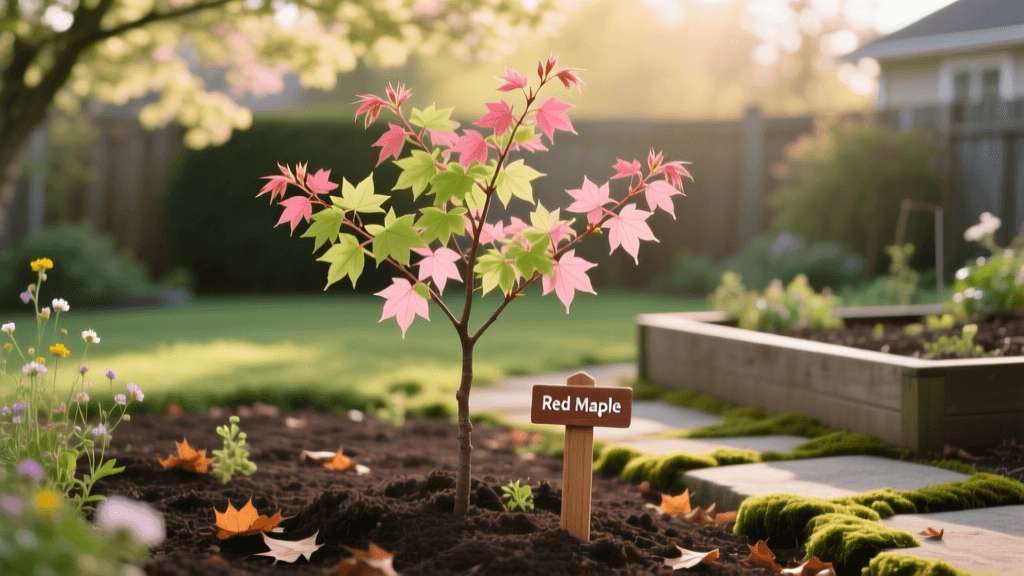
Planting a tree seems straightforward, but species selection, hole depth, and placement relative to structures are decisions with decades-long consequences. The ISA recommends planting trees so the root flare — the point where the trunk widens at the base — sits at or slightly above grade. Planting too deep is one of the most common causes of long-term tree decline, and it’s entirely preventable.
Root spread is a factor homeowners routinely underestimate. A mature silver maple (Acer saccharinum) can develop a root system extending 2 to 3 times the diameter of its canopy, often reaching 50 feet or more from the trunk. Planting one within 20 feet of a foundation, sewer line, or sidewalk is a decision that will cost far more to fix in 15 years than it would have to avoid in the first place.
Species-Specific Growth Rates and Spacing
Growth rate directly affects how quickly a tree becomes a liability if planted in the wrong location. Fast-growing species like the Lombardy poplar (Populus nigra 'Italica') can add 6 feet of height per year but are prone to structural weakness and disease. Slower-growing species like the white oak (Quercus alba) add roughly 1 to 1.5 feet annually but develop stronger structure and can live for centuries.
| Species | Avg. Annual Growth | Mature Height | Root Spread | Min. Distance from Structure |
|---|---|---|---|---|
| White Oak (Quercus alba) | 1–1.5 ft | 60–100 ft | Up to 90 ft | 20 ft |
| Silver Maple (Acer saccharinum) | 3–7 ft | 50–80 ft | 50+ ft | 30 ft |
| Eastern Redbud (Cercis canadensis) | 1–2 ft | 20–30 ft | 15–20 ft | 8 ft |
| Lombardy Poplar (Populus nigra) | 5–6 ft | 40–70 ft | 30–40 ft | 25 ft |
For most residential plantings, an ISA-certified arborist or a consulting arborist affiliated with the American Society of Consulting Arborists (ASCA) can assess soil conditions, drainage, and overhead utility clearance before you put a shovel in the ground. This matters especially in urban environments like Chicago's urban forest program or New York City's MillionTreesNYC initiative, where species selection follows strict site-suitability criteria.
Pruning: What You Can Do and What You Shouldn't
Pruning is the most commonly performed tree maintenance task — and also the most commonly done wrong. Improper cuts — leaving stubs, cutting flush with the trunk, or removing more than 25% of the live crown in a single season — can introduce decay, disrupt the tree's energy balance, and create structural defects that take years to show up as hazards.
ANSI A300 Part 1 (Pruning) is the industry standard that governs pruning practices in the United States. It says pruning cuts should be made just outside the branch collar, no more than 25% of the live crown should be removed in any one growing season, and pruning objectives must be clear before work begins. These standards exist because trees don’t heal wounds the way animals do — they compartmentalize them, and a bad cut can compromise that process permanently.
DIY-Appropriate Pruning Tasks
There are pruning tasks well within the capability of an attentive homeowner with the right tools:
- Removing dead, diseased, or crossing branches smaller than 1 inch in diameter on trees under 15 feet tall
- Deadheading ornamental flowering trees like crabapples or redbuds after bloom
- Clearing suckers and water sprouts from the base or lower trunk
- Shaping young shrub-form trees during the first 3 years of establishment
- Removing branches that are clearly dead and pose no fall risk to structures or people
The key constraint is height and proximity to hazards. Once you need a ladder, the risk profile changes substantially. Once the tree is near power lines, a structure, or a public right-of-way, the work almost always requires a licensed professional — and in many municipalities, it’s legally required.
When Pruning Requires a Certified Arborist
Any pruning that involves branches larger than 3 inches in diameter, work above 10 feet, or trees within 10 feet of utility lines should be handled by a certified arborist. Utility line clearance work near energized conductors requires additional credentials — specifically, a Line Clearance Tree Trimmer certification — and is regulated by OSHA standard 1910.269.
Structural pruning of young trees — a practice that reduces long-term hazard risk by training proper branch architecture early — is another area where professional guidance pays off. The Urban Forest Ecosystems Institute at California Polytechnic State University (Cal Poly) has published extensive research showing that trees receiving proper structural pruning in their first 10 years require significantly less corrective work and removal over their lifespan.
Diagnosing and Treating Tree Health Problems
Tree health problems are frequently misdiagnosed by homeowners, leading to treatments that are either ineffective or actively harmful. Yellowing leaves might indicate iron chlorosis, compacted soil, overwatering, root damage, or a systemic pathogen — and each of those causes requires a different response. Applying a generic fertilizer to a tree with root rot, for example, can speed up decline rather than reverse it.
Common issues that appear simple but often require professional diagnosis include:
- Sudden branch dieback — may indicate Verticillium wilt, bacterial wetwood, or physical root damage from nearby construction
- Bark discoloration or oozing — could be bacterial canker, fungal infection, or borer activity requiring targeted treatment
- Thinning canopy with small leaves — often a sign of chronic root stress, soil compaction, or girdling roots
- Mushrooms at the base — frequently indicates advanced root or butt rot, which is a structural hazard requiring immediate hazard assessment
The ISA's Best Management Practices series (ISA, 2023) provides guidance on diagnosing and treating common tree disorders, but the diagnostic process itself — distinguishing between abiotic and biotic causes, assessing the extent of internal decay, or determining whether a tree is worth treating versus removing — requires training and often specialized equipment like resistograph drills or sonic tomography.
"A tree that looks healthy from the outside can have extensive internal decay. Visual inspection alone is insufficient for hazard assessment of high-value or high-risk trees. Arborists use a combination of visual assessment, probing, and advanced diagnostic tools to evaluate structural integrity." — ISA Best Management Practices: Tree Risk Assessment, 2nd Edition (ISA, 2017)
Tree Removal: Almost Always a Job for Professionals
Tree removal is the highest-risk task in arboriculture. The U.S. Bureau of Labor Statistics consistently ranks logging and tree care among the most dangerous occupations in the country, with a fatality rate roughly 30 times higher than the average for all industries. Most of those fatalities involve workers with training and equipment — the risk for untrained homeowners is even higher.
A tree that needs to be removed is usually in a compromised state — dead, diseased, structurally defective, or growing in a confined space. These conditions make the work unpredictable. A dead tree may have brittle wood that doesn’t respond to standard felling cuts. A tree with root rot may fall in an unexpected direction. A tree growing between a house and a fence may have no safe felling zone at all, requiring sectional dismantling from the top down using rigging equipment.
Permit Requirements and Legal Liability
Many municipalities require permits for removing trees above a certain diameter — typically 6 to 12 inches DBH (diameter at breast height, measured at 4.5 feet above grade). In cities like Portland, Oregon, and Austin, Texas, removing a protected tree without a permit can result in fines exceeding $10,000 per tree. Homeowners who hire unlicensed contractors and cause property damage or injury may also face personal liability that their homeowner's insurance won’t cover if the contractor lacked proper credentials.
Before any removal, verify that your contractor carries both general liability insurance (minimum $1 million per occurrence is standard) and workers' compensation coverage. Ask for their ISA certification number and verify it at the ISA's online directory. A legitimate arborist will provide this information without hesitation.
Soil and Root Zone Management
The root zone — the area of soil that supports a tree's root system — is frequently damaged by activities that homeowners don’t associate with tree care: parking vehicles under the canopy, adding fill soil over roots, installing irrigation systems, or compacting soil during landscaping projects. Roots need oxygen as much as water, and compacted soil reduces the pore space that allows gas exchange.
A general rule of thumb is to protect the critical root zone (CRZ), defined as a circle with a radius of 1 foot for every inch of trunk diameter. A tree with a 12-inch trunk diameter has a CRZ with a 12-foot radius — 452 square feet of soil that should not be compacted, graded, or covered with impermeable materials. This standard is referenced in ANSI A300 Part 5 (Management of Trees and Shrubs During Site Planning, Site Development, and Construction).
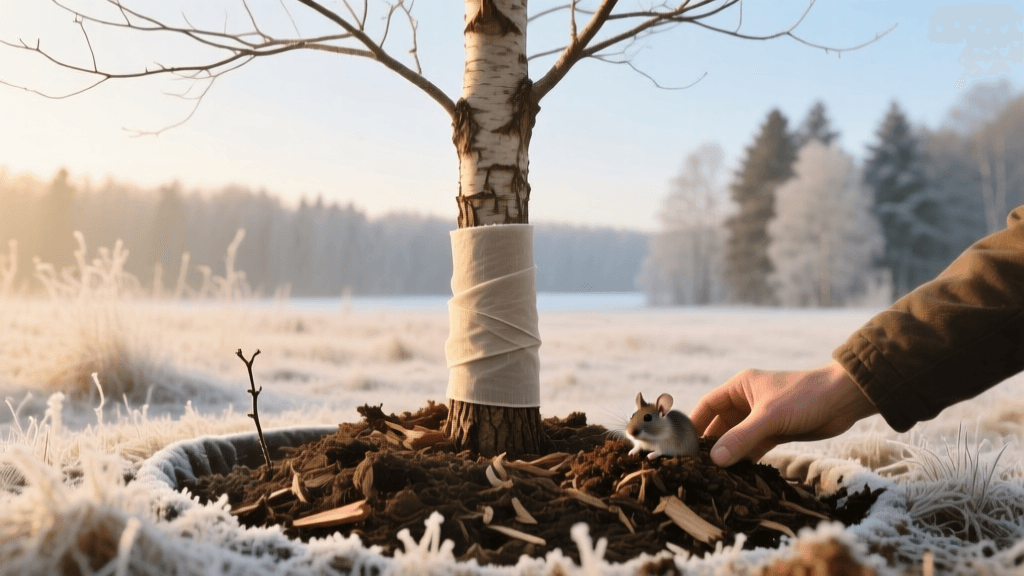
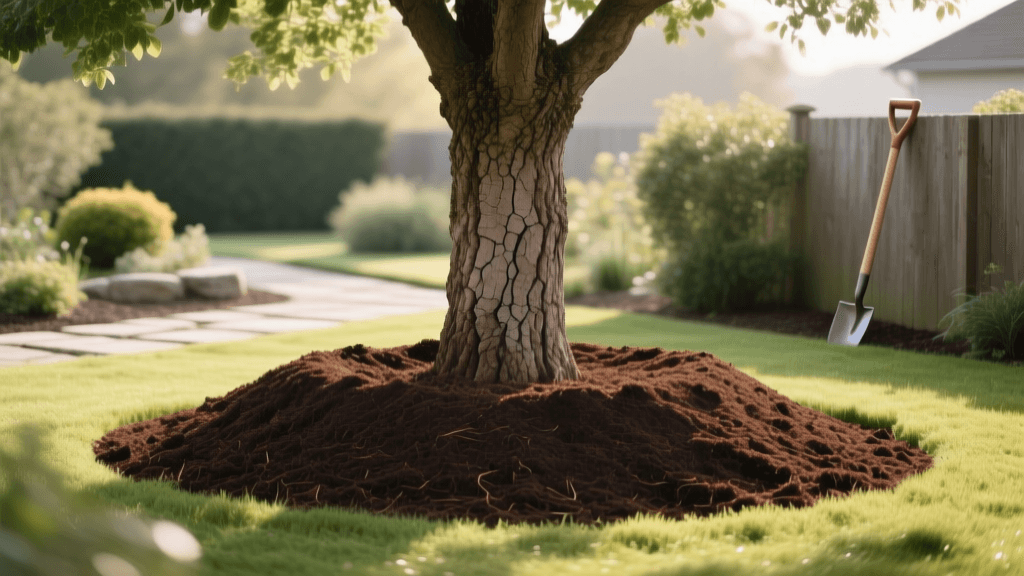
Vertical mulching, radial trenching, and air spading are techniques used by arborists to remediate compacted soil and improve root zone conditions. These are not DIY tasks — they require knowledge of root architecture and, in the case of air spading, specialized pneumatic equipment. However, homeowners can take meaningful preventive action by maintaining a 3- to 4-inch layer of organic mulch over the root zone, keeping it pulled back 3 to 6 inches from the trunk to prevent moisture accumulation against the bark.
The bottom line on soil management is that prevention is far cheaper than remediation. A single construction project that compacts the root zone of a mature tree can set in motion a decline that takes 5 to 10 years to become visible and may ultimately require removal of a tree that took decades to grow. If you're planning any ground disturbance within the drip line of a significant tree, consult an arborist before the project begins — not after.