
Landscaping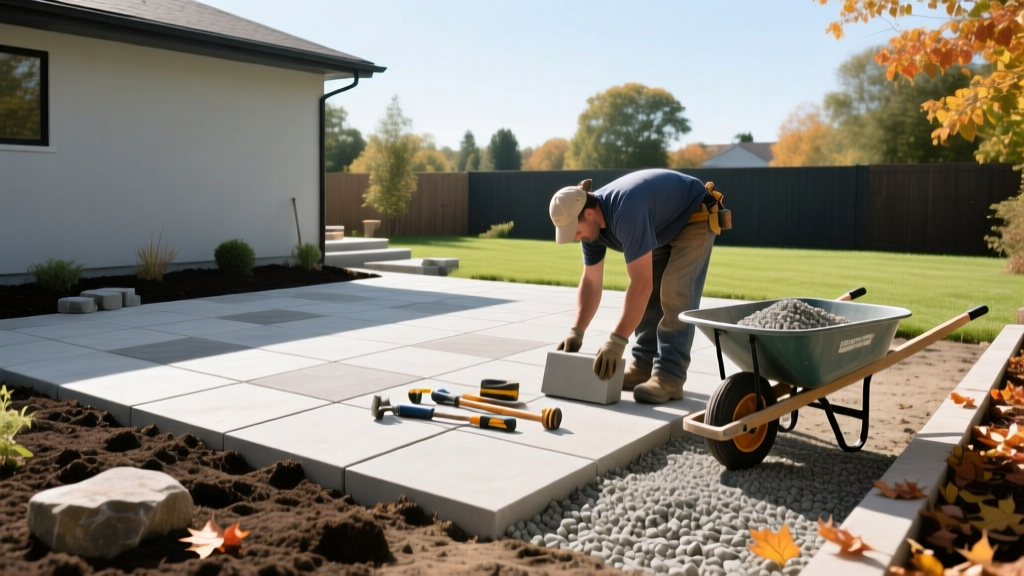
When to Install Hardscaping and Patios: A Timing Guide
Sarah ChenPublished
Why Timing is the Most Critical Factor in Hardscaping
Hardscaping encompasses the non-living elements of your landscape design, including patios, walkways, retaining walls, and outdoor kitchens. Unlike planting a garden bed, where a missed seasonal window simply means waiting a few months for the next bloom, hardscape installation involves heavy excavation, precise grading, and permanent materials. If you install a patio at the wrong time of year, you risk catastrophic failures such as frost heave, cracked mortar joints, and sinking pavers. Repairing these errors often costs between 30% and 50% of the original installation price. Therefore, understanding the 'when-to' timing of hardscaping is just as crucial as the design itself. This guide will break down the optimal seasons, daily timing, and material-specific constraints to ensure your outdoor living space stands the test of time.
The Science of the Subgrade and Frost Lines
Before discussing calendar months, we must address the ground beneath your feet. The primary enemy of any hardscape project is the freeze-thaw cycle. When water in the soil freezes, it expands, pushing upward against your patio base or retaining wall. When it thaws, the soil contracts, leaving voids that cause heavy stones and concrete to sink and crack. According to guidelines outlined in the ICPI technical resources, proper base preparation and weather awareness are non-negotiable for preventing these issues.
You must never excavate or lay a base on frozen ground. Furthermore, the base material—typically Class II road base or crushed angular gravel—must be compacted in 4-to-6-inch lifts using a mechanical plate compactor. If you attempt this when the subgrade is frozen or overly saturated with spring melt, the compaction will fail, leading to inevitable settling. A standard patio requires a 6-to-8-inch compacted base, while driveways or areas supporting heavy loads like outdoor kitchens may require 10 to 12 inches.
The Seasonal Calendar for Hardscape Installation
Early Spring (March to April): The Thaw and the Mud
Early spring is a time of anticipation, but it is often too early to break ground. The frost line must fully retreat from the soil, which can take several weeks after the last snowmelt. Additionally, spring soils are typically at their highest moisture content. To test if your soil is ready for excavation and compaction, perform a simple ribbon test: squeeze a handful of dirt. If it forms a tight, muddy ball that holds its shape and leaves water on your glove, it is too wet to work. Working in mud destroys soil structure and makes proper base compaction impossible.
Late Spring to Early Summer (May to June): The Prime Window
This is the most popular time for hardscaping, and for good reason. The ground has thawed, excess moisture has drained, and ambient temperatures generally hover between 50°F and 75°F. These conditions are ideal for curing concrete, setting mortar, and activating the polymers in polymeric jointing sand. However, because this is peak season for landscape contractors, you should expect to pay a 15% to 20% premium on labor costs, and booking a reputable crew requires planning months in advance.
Mid-Summer (July to August): Heat and Curing Risks
While the ground is stable, extreme heat introduces new challenges. The Portland Cement Association emphasizes that high temperatures cause concrete and mortar to cure too rapidly, leading to shrinkage cracks and weakened structural integrity. If you must pour concrete or lay mortared stone in mid-summer, the work should be scheduled for the early morning hours. You may also need to use cold water in the mortar mix, apply chemical retarders, and keep the installation shaded or misted to control the curing process.
Fall (September to November): The Goldilocks Season
For many landscaping professionals, fall is the absolute best time to install interlocking pavers, natural stone, and retaining walls. The air is cool, reducing worker fatigue and eliminating the risk of heat-related rapid curing. The ground is dry and stable after the summer months, making excavation and base compaction highly efficient. The key constraint in fall is the impending freeze. You must complete all base work, sand sweeping, and sealing before the first hard freeze (consistently below 32°F) to prevent moisture trapped in the joints from expanding and blowing the pavers apart.
Winter (December to February): The Danger Zone
Winter is generally the wrong time for hardscaping. Mortar and concrete cannot be safely mixed or cured in temperatures below 40°F without expensive enclosures and heating blankets. Polymeric sand will not activate properly if the joints are damp from snowmelt or if temperatures are too low. The only hardscape tasks suited for winter are design planning, permitting, and ordering materials.
Material-Specific Timing and Temperature Thresholds
Different materials react differently to environmental conditions. Below is a comparison chart to help you time your material installation correctly.
| Material Type | Ideal Temp Range | Min Curing Time | Timing Risks to Avoid |
|---|---|---|---|
| Poured Concrete | 50°F to 75°F | 28 days for full cure | Flash freezing, rapid moisture loss in high heat |
| Interlocking Pavers | 40°F to 85°F | 24 hours before sealing | Polymeric sand washout from heavy rain or freezing |
| Natural Stone (Mortared) | 50°F to 80°F | 48 hours minimum | Mortar failure and crumbling below 40°F |
| Retaining Wall Blocks | 35°F and above | Immediate (gravity/friction) | Frozen subgrade causing wall lean and structural failure |
Daily Timing: When to Work During the Day
Timing is not just about the month of the year; it is also about the hour of the day. During the warmer months, masonry work, concrete pouring, and the application of polymeric sand should begin at first light. By stopping heavy masonry work by early afternoon, you avoid the peak UV and heat index hours, which protects both the crew and the chemical curing processes of your materials. Sealing a patio should always be done in the late afternoon or early evening when the sun is low, preventing the sealer from flashing off too quickly and leaving cloudy, uneven streaks on your expensive stone.
Project Planning: Lead Times and Permitting
A successful hardscape project requires meticulous advance timing. If you want your patio ready for summer entertaining, you cannot wait until May to start planning. Here is a standard timeline for a mid-sized residential hardscape project:
- Winter (Jan-Feb): Finalize designs, consult with certified members of the National Association of Landscape Professionals, and secure your contractor. Submit HOA approvals and municipal permits, which can take 2 to 6 weeks to process.
- Early Spring (Mar-Apr): Order materials. Natural stone and specialized manufactured pavers can have lead times of 4 to 8 weeks. Having materials delivered to your driveway early prevents project delays caused by summer supply chain bottlenecks.
- Mid-Spring (May): Excavation, grading, and base compaction begin as soon as the soil moisture allows.
- Early Summer (Jun): Paver laying, edge restraint installation, joint sand application, and final sealing.
Cost Implications of Timing
When you choose to build directly impacts your budget. Scheduling a hardscape installation during the off-peak seasons—specifically late autumn (October and November) or early spring (March)—can yield significant savings. Contractors are often willing to offer 10% to 15% discounts on labor during these slower periods to keep their crews employed. However, you must weigh these savings against the weather risks. If an early snowstorm hits in November before your polymeric sand is sealed, you may face costly spring repairs. Ultimately, the safest and most cost-effective strategy is to plan in the winter, order in the spring, and build during the stable, moderate windows of late spring and early fall.
Conclusion
Mastering the 'when-to' of hardscaping is what separates a DIY disaster from a generational outdoor living space. By respecting the frost line, monitoring soil moisture, adhering to temperature thresholds for specific materials, and planning your material lead times months in advance, you ensure that your patio, walkway, or retaining wall remains level, beautiful, and structurally sound for decades to come.

