Pest Control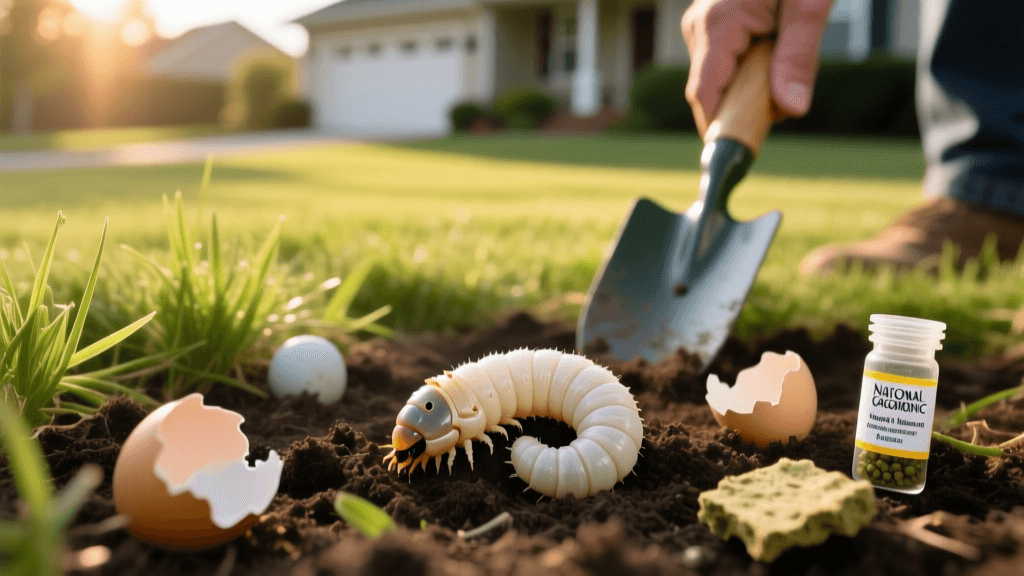
White Grub Control: Expert IPM Strategies and Timing
Understanding the White Grub Threat
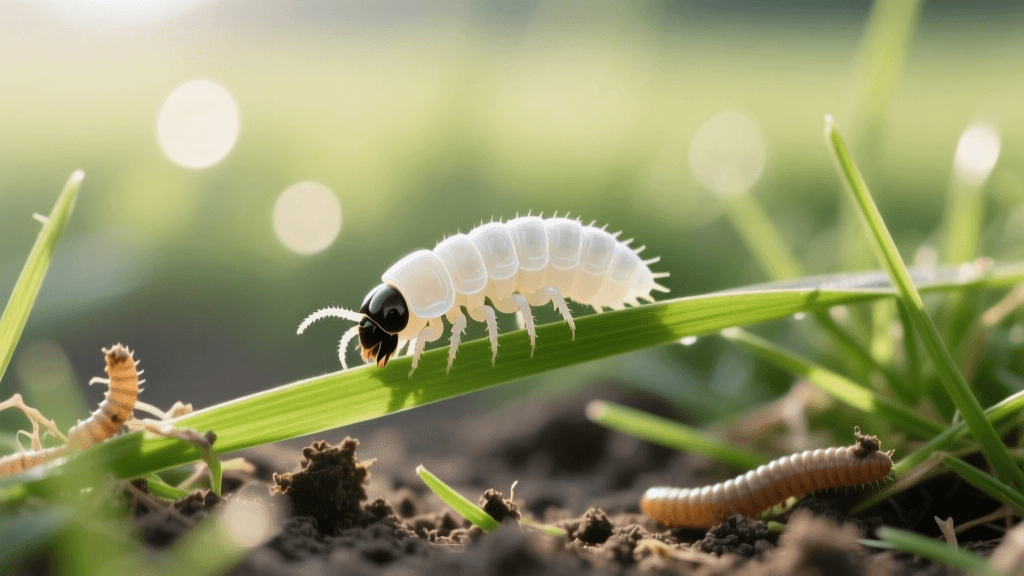
White grubs are the larval stage of various scarab beetles, including Japanese beetles, European chafers, June bugs, and Asiatic garden beetles. These C-shaped, cream-colored pests live just beneath the soil surface, feeding aggressively on the root systems of turfgrass. When left unchecked, a severe grub infestation can sever the roots entirely, leaving your lawn with large, irregular brown patches that feel spongy underfoot and can be rolled back like a freshly laid carpet.
For lawn care professionals and dedicated homeowners, relying solely on calendar-based chemical sprays is an outdated approach. Modern turf management requires an Integrated Pest Management (IPM) strategy. This involves accurate identification, understanding the pest's life cycle, utilizing cultural and biological controls, and applying targeted chemical treatments only when economic or aesthetic thresholds are exceeded.
Expert Identification: Beyond the C-Shape
While all white grubs share a similar C-shaped posture, translucent white bodies, and brown head capsules, identifying the exact species is crucial for long-term IPM success. Experts identify grub species by examining the 'raster pattern'—the specific arrangement of microscopic hairs and bristles on the underside of the grub's posterior (the last abdominal segment).
- Japanese Beetle Grubs: Feature a distinct V-shaped raster pattern just below the anal slit.
- European Chafer Grubs: Exhibit a Y-shaped raster pattern that resembles a zipper.
- June Bug (May/June Beetle) Grubs: Display parallel rows of bristles with no distinct V or Y shape.
Knowing your species helps predict the severity of the damage and the efficacy of specific biological controls, such as Milky Spore disease, which primarily targets Japanese beetle grubs.
The Tug Test and Damage Thresholds
Before reaching for a curative insecticide, you must confirm the presence of grubs and determine if the population warrants intervention. The 'Tug Test' is a standard diagnostic tool. Grab a handful of brown turf and pull gently. If the grass detaches easily with no roots attached, grubs are likely the culprit. Next, use a flat-edged spade to cut a 1-foot by 1-foot square of turf, about 3 inches deep, and peel it back. Sift through the soil and count the grubs.
Expert Threshold Rule: A healthy, vigorously growing lawn can typically tolerate 8 to 10 grubs per square foot without showing visible damage. However, if your turf is stressed from drought, shade, or heavy foot traffic, the threshold drops to 5 or 6 grubs per square foot. Treat only when populations exceed these thresholds.
The Expert's Guide to Grub Life Cycles and Timing
Timing is the single most critical factor in grub control. Applying the wrong product at the wrong time wastes money and harms the environment. Scarab beetles generally follow a one-year life cycle, emerging in early summer to mate and lay eggs in the soil. The eggs hatch in mid-to-late summer, and the young grubs feed voraciously until cold weather drives them deep into the soil for winter dormancy.
| Season | Grub Life Stage | Expert IPM Action |
|---|---|---|
| Early Spring | Older grubs pupating | Monitor for adult beetle emergence; repair winter damage. |
| Late Spring | Adults mate; egg laying begins | Adjust irrigation; apply preventative biologicals if soil temps permit. |
| Mid-Summer | Young grubs hatching and feeding | Apply preventative chemical controls before damage occurs. |
| Early Fall | Grubs feeding heavily near surface | Apply curative treatments if thresholds are exceeded. |
| Late Fall/Winter | Grubs burrow deep for dormancy | No treatment effective; focus on turf dormancy and soil health. |
Cultural and Biological Controls: The IPM Foundation
Integrated Pest Management prioritizes non-chemical interventions to create an environment that is naturally hostile to pests while supporting turf resilience.
Strategic Irrigation
Scarab beetle eggs require consistent moisture to hatch and survive. By practicing deep, infrequent watering, you allow the top inch or two of soil to dry out between irrigation sessions. This localized drought stress is often enough to desiccate newly laid eggs and first-instar larvae without harming the deeper roots of your established turfgrass.
Beneficial Nematodes
For organic lawn care enthusiasts, entomopathogenic nematodes are a powerful biological weapon. Specifically, the species Heterorhabditis bacteriophora (Hb nematodes) actively seeks out and infects white grubs, releasing bacteria that kill the host within 48 hours. Nematodes typically cost between $40 and $60 for a package treating 10,000 square feet. Expert Tip: Nematodes are living organisms highly sensitive to UV light and heat. They must be applied in the late evening or on heavily overcast days, and immediately watered into the soil. Soil temperatures must be above 60°F for them to be active.
Milky Spore Disease
Milky Spore (Paenibacillus popilliae) is a naturally occurring bacterium that targets Japanese beetle grubs. While highly effective in the long term, it is not a quick fix. It can take 2 to 5 years for the spores to build up to effective levels in the soil, and it is entirely ineffective against European chafers or June bugs.
Chemical Control: Preventative vs. Curative Products
When cultural and biological methods are insufficient, targeted chemical controls become necessary. Understanding the distinction between preventative and curative active ingredients is paramount.
Preventative Insecticides
Preventative products are systemic or long-residual contact insecticides applied in late spring or early summer (typically May through June). They are designed to kill the grubs when they are very small and most vulnerable.
- Chlorantraniliprole (e.g., Acelepryn): The gold standard for preventative grub control. It is highly effective, has a long residual window, and boasts an excellent environmental and pollinator safety profile.
- Imidacloprid (e.g., Merit): A widely used neonicotinoid. It must be watered in thoroughly and is best applied before eggs hatch. Note that neonicotinoids carry higher risks to pollinators if applied to lawns with flowering weeds like clover.
Curative Insecticides
If you missed the preventative window and discover active damage in late summer or early fall, you need a fast-acting curative product. These chemicals have a shorter residual but knock down larger, actively feeding grubs quickly.
- Trichlorfon (e.g., Dylox): The most common curative treatment. It breaks down rapidly in the soil (often within a few days to a week), making it safe for subsequent overseeding, but it must be applied exactly when grubs are near the surface.
- Carbaryl (e.g., Sevin): Another curative option, though it is highly toxic to earthworms and beneficial soil insects, making it a less preferred choice in strict IPM programs.
Pollinator Protection and Best Practices
As an expert best practice, always inspect your lawn for flowering weeds (such as white clover or dandelions) before applying any insecticide, particularly neonicotinoids. If flowering weeds are present, mow the lawn closely and remove the clippings immediately before application. This prevents foraging bees and other beneficial pollinators from coming into contact with treated nectar or pollen.
Step-by-Step Remediation for Severe Damage
If secondary pests like skunks, raccoons, or crows have already torn up your lawn in search of grubs, follow these remediation steps:
- Apply a Curative Treatment: Use Trichlorfon to eliminate the remaining grub population and deter further animal foraging.
- Rake and Clean: Vigorously rake out the dead, detached turf and debris to expose the bare soil.
- Topdress and Overseed: Apply a thin layer (1/4 inch) of compost or topsoil. Broadcast a high-quality, disease-resistant turfgrass seed blend appropriate for your region.
- Water and Protect: Keep the seedbed consistently moist for 14-21 days. Consider using a biodegradable seed blanket to protect against birds and erosion.
'Healthy turfgrass can tolerate a higher grub population than stressed turf. Preventative treatments are only justified if the lawn has a history of grub damage, if the turf is highly managed and visible, or if adult beetle flights are exceptionally heavy. Scouting and threshold-based decisions are the hallmarks of professional IPM.'
— Adapted from Purdue University Extension Turf Science Guidelines
Conclusion
Mastering white grub control requires shifting from a reactive mindset to a proactive, observation-based strategy. By monitoring your lawn, understanding the precise timing of the scarab beetle life cycle, and leveraging a combination of smart irrigation, biological nematodes, and targeted chemistry, you can maintain a pristine, resilient lawn while minimizing environmental impact. Remember that a few grubs are a natural part of a healthy soil ecosystem; your goal is management, not total eradication.