Pest Control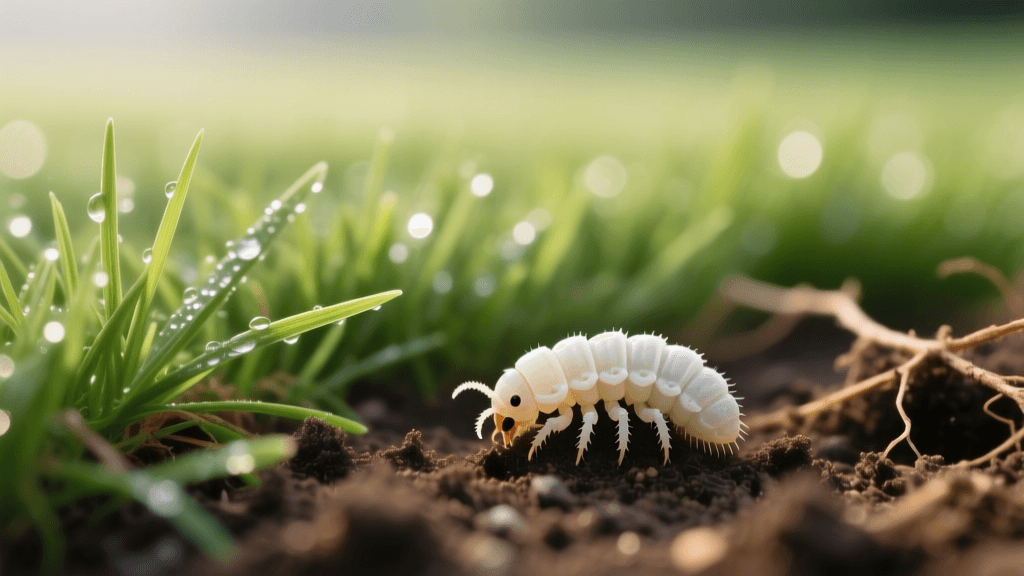
White Grub Control: Expert Timing & Treatment Strategies
Understanding the Enemy: White Grub Identification
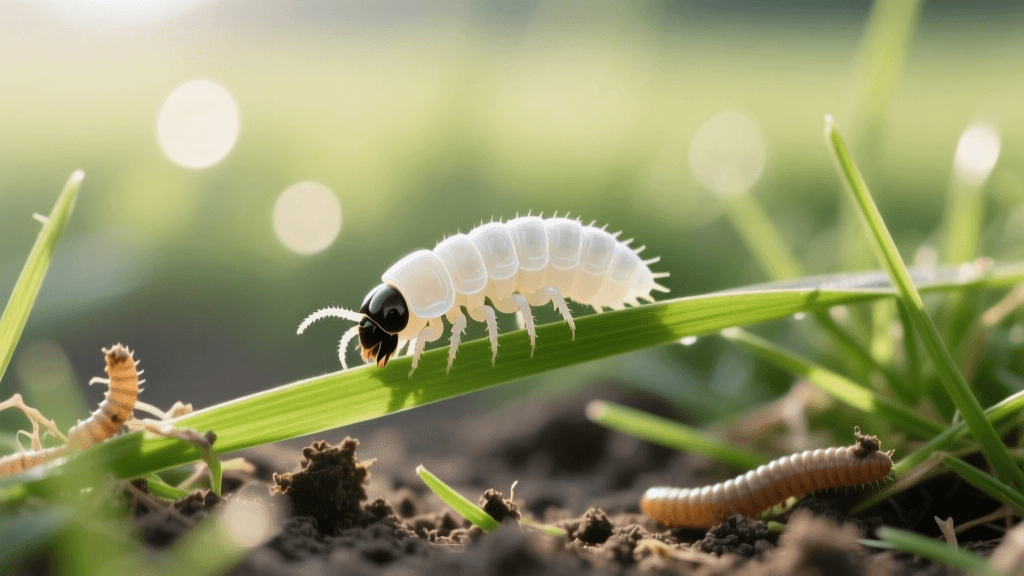
White grubs are the larval stage of several scarab beetles, including Japanese beetles, June bugs, and European chafers. These C-shaped, creamy-white larvae with distinct brown heads and six legs feed voraciously on the root systems of turfgrass. If left unchecked, a severe infestation can destroy an entire lawn in a matter of weeks, leaving behind brown, dead patches that peel back from the soil like a loose carpet. As a lawn care professional or dedicated homeowner, mastering white grub control requires more than just applying a generic pesticide; it demands a deep understanding of insect life cycles, precise application timing, and the strategic use of both preventive and curative chemistries.
The Square Foot Test: Diagnosing an Infestation
Before investing time and money into chemical treatments, you must confirm that grubs are the actual culprit. Skunks, raccoons, and armadillos often tear up lawns in search of grubs, but fungal diseases or drought stress can also cause similar brown patches. The industry standard for diagnosis is the Square Foot Test. Using a flat-edged spade, cut three sides of a one-foot square in your turf, about two to three inches deep. Peel back the sod and carefully examine the soil and root zone. Count the number of grubs present.
Repeat this test in three to four different areas of the lawn, particularly near the edges of dead patches, to get an accurate population average. If the turf is already stressed from heat and drought, intervention is strictly required even at lower numbers. Proper diagnosis prevents the unnecessary application of pesticides, saving you money and protecting the local ecosystem.
The Grub Life Cycle: Why Timing is Everything
Timing your treatment correctly is the single most critical factor in grub control. Most turf-destroying grubs have a one-year life cycle. Adult beetles emerge, mate, and lay eggs in the soil during early to mid-summer (June and July). These eggs hatch in late July and August, releasing tiny first-instar grubs. These young grubs immediately begin feeding aggressively on grass roots near the soil surface. By late September and October, they reach their third and final larval instar, causing the most severe turf damage. As winter approaches, they burrow deep below the frost line to overwinter. In the spring, they return to the surface to feed briefly before pupating into adult beetles. Because they are only vulnerable to certain chemicals during specific life stages, applying the wrong product at the wrong time is a waste of resources.
Preventive vs. Curative Grub Control Strategies
Choosing between a preventive and curative approach depends entirely on the time of year and the current grub population in your soil. Below is a comparison chart of the two primary strategies.
| Strategy | Active Ingredient | Brand Examples | Application Window | Target Stage | Est. Cost (per 5k sq ft) |
|---|---|---|---|---|---|
| Preventive | Chlorantraniliprole | Scotts GrubEx, Acelepryn | April - Early June | Eggs / 1st Instar | $15 - $25 |
| Preventive | Imidacloprid | BioAdvanced Merit | June - Early July | 1st / 2nd Instar | $18 - $28 |
| Curative | Trichlorfon | Bayer 24hr Grub Killer (Dylox) | August - September | 2nd / 3rd Instar | $20 - $30 |
| Curative | Carbaryl | Sevin | August - September | 2nd / 3rd Instar | $15 - $25 |
Best Practices for Preventive Control
Preventive treatments are the cornerstone of an Integrated Pest Management (IPM) program. Products containing Chlorantraniliprole are highly effective and have an excellent environmental safety profile, particularly regarding pollinator safety. The active ingredient takes several weeks to move into the root zone and requires the grubs to ingest it, making it lethal to early-instar grubs as they hatch. Alternatively, Imidacloprid works slightly faster but has a shorter residual window. Preventive treatments offer peace of mind for lawns with a history of severe damage or those located near heavy tree lines where beetles congregate.
Best Practices for Curative Control
If you missed the preventive window and discover an active infestation in late August or September, you must switch to a curative strategy. Curative insecticides are fast-acting contact poisons designed to kill large, actively feeding third-instar grubs. The gold standard for curative control is Trichlorfon (Dylox). Trichlorfon breaks down rapidly in the soil, especially in high-pH environments, but it knocks down grub populations within 24 to 48 hours. Carbaryl is another curative option, though it is generally less effective against larger European chafer grubs.
Expert Application Tips for Maximum Efficacy
Even the most expensive professional-grade chemicals will fail if applied incorrectly. Follow these expert best practices to ensure your treatment reaches the target zone:
- Watering In is Non-Negotiable: Grub control products must be washed off the grass blades and into the top two inches of soil where the grubs feed. Apply 0.25 to 0.5 inches of water immediately after application. If you do not have an irrigation system, apply the product just before a steady, moderate rainstorm.
- Mow Before Application: Always mow your lawn and remove clippings before applying any granular insecticide. This ensures the granules reach the soil surface rather than getting trapped in the thatch or on grass blades. Furthermore, mowing removes flowering weeds (like clover and dandelions), which drastically reduces the risk of exposing foraging bees to the chemicals.
- Manage Thatch Layers: A thatch layer thicker than 0.5 inches will bind the chemical and prevent it from reaching the soil. If your lawn has severe thatch buildup, perform a core aeration or dethatching before applying your grub control.
- Calibrate Your Spreader: Over-applying wastes money and harms the environment, while under-applying leads to treatment failure. Calibrate your broadcast spreader according to the manufacturer's instructions on the product bag to ensure an even distribution rate.
Biological and Organic Control Alternatives
For homeowners seeking organic lawn care solutions, biological controls offer a viable, albeit slower, alternative to synthetic chemicals. Beneficial nematodes, specifically the Heterorhabditis bacteriophora (Hb) strain, are microscopic worms that hunt down and infect grubs with lethal bacteria. Nematodes must be applied via a hose-end sprayer in the late afternoon to avoid UV degradation, and the soil must be kept consistently moist for at least a week after application.
Another organic option is Milky Spore (Paenibacillus popilliae), a naturally occurring bacterium that targets Japanese beetle grubs exclusively. While Milky Spore takes two to three years to build up in the soil and provide complete control, it remains active in the soil for up to 15 years once established, making it a fantastic long-term investment for organic landscapes.
According to entomologists at Purdue University Extension, a healthy, well-maintained lawn can typically tolerate up to five to ten grubs per square foot without showing visible damage. Treatment is only recommended when populations exceed this threshold or when secondary damage from foraging wildlife becomes severe.
Conclusion: A Proactive Approach to Turf Health
Successful white grub control is not about reacting to dead grass; it is about proactive management. By utilizing the Square Foot Test to monitor populations, understanding the seasonal life cycle of scarab beetles, and selecting the correct preventive or curative chemistry, you can protect your lawn from devastating root loss. Combine these chemical strategies with proper cultural practices—such as deep, infrequent watering and annual core aeration—and your turfgrass will develop the deep, robust root system necessary to withstand pest pressures year after year.