Pest Control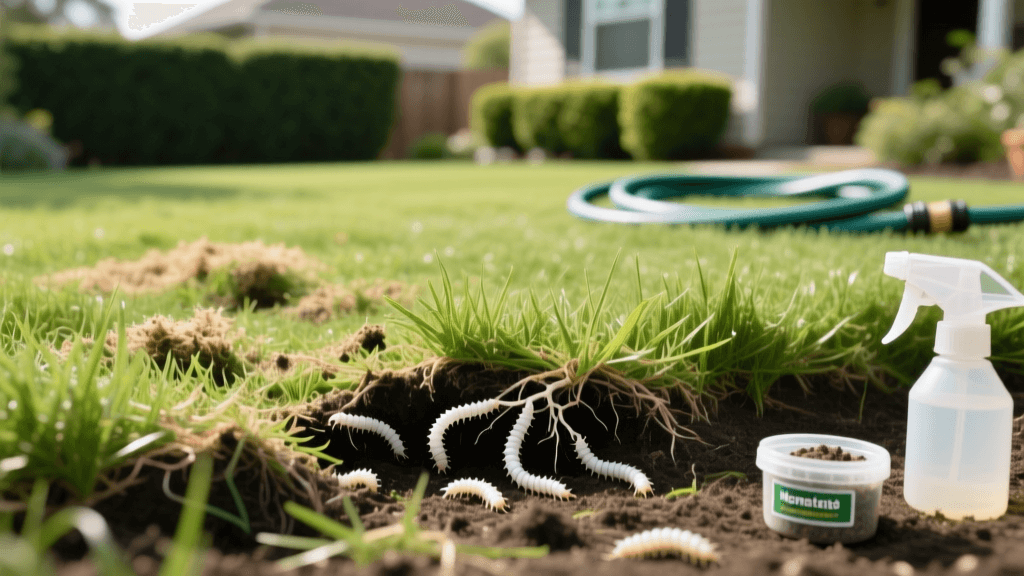
White Grub Diagnosis and Effective Lawn Treatment Guide
Understanding the White Grub Threat
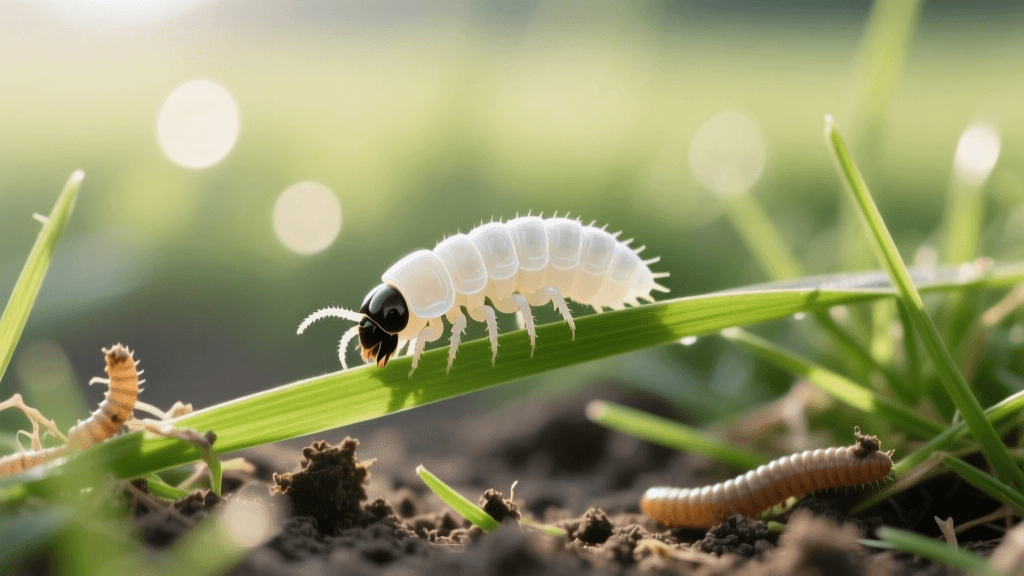
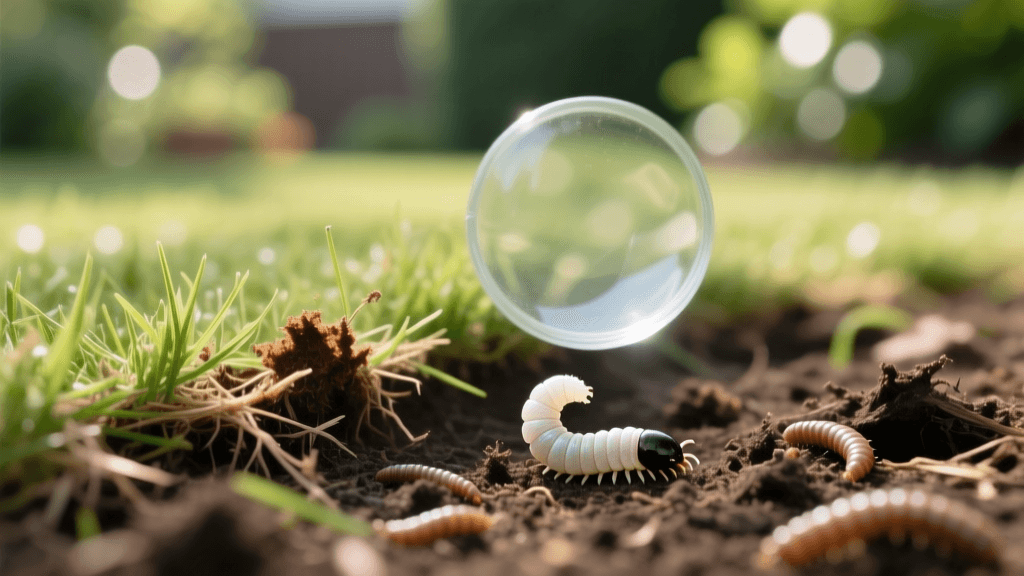
White grubs are the C-shaped larval stage of scarab beetles like Japanese beetles, June bugs, European chafers, and masked chafers. They live underground and feed on turfgrass roots, cutting off the plant’s access to water and nutrients. A heavy infestation can kill large sections of lawn in just a few weeks—leaving dry, brown patches that lift up easily, like loose carpet. Homeowners and lawn care pros need to recognize and treat them as part of regular pest management.
Diagnosing a White Grub Infestation
Since grubs stay below the soil, their damage is easy to misread as drought stress, fungus, or even dog urine spots. Spotting them means checking for both visible signs and doing simple soil checks.
Key Symptoms of Grub Damage
- Irregular Brown Patches: These don’t have clean edges or blade-level spots like fungal diseases do. They spread unevenly and won’t green up, even after deep watering.
- Spongy Turf: As roots get eaten, the sod loses its grip on the soil. Walking across an infested lawn can feel soft or springy underfoot.
- Animal and Bird Activity: Skunks, raccoons, armadillos, starlings, and crows dig into lawns looking for grubs. If you see flipped sod or small conical holes, grubs are likely the reason.
The Tug Test and Sod Peel Test
To check for grubs, try the ‘Tug Test’: grab a handful of brown grass and pull gently. If it lifts right off with no resistance—and no roots attached—the roots have probably been cut. To gauge how bad it is, use a flat shovel or turf plugger to cut out a one-foot square of sod, about two inches deep. Peel it back and look through the top three inches of soil for creamy-white, C-shaped larvae with brown heads. Count them. Then put the sod back and water it well.
Economic Thresholds for Treatment
According to entomologists at Purdue University Extension, finding a few grubs is normal—and not a reason to treat. The number that calls for action depends on your grass type and how much care the lawn usually gets. As a general guide:
- 5 to 7 grubs per square foot in high-maintenance, irrigated lawns (like Kentucky Bluegrass).
- 8 to 10 grubs per square foot in standard residential lawns.
- 15 or more grubs per square foot in low-maintenance, drought-tolerant turf (like Tall Fescue).
Understanding the Grub Life Cycle
Timing matters most when controlling grubs. Most common scarab beetles complete their life cycle in one year. Adult beetles emerge, mate, and lay eggs in the soil in early to mid-summer (June and July). Those eggs hatch in late summer (August), and the young grubs start feeding on roots right away. They keep eating through fall, then burrow deeper as temperatures drop to survive winter. In spring, they come back near the surface for a short feeding period before turning into adult beetles. Knowing this helps decide whether to use a preventative or curative treatment.
Chemical Treatment Solutions
Chemical options fall into two groups: preventatives and curatives. Using the wrong kind at the wrong time is the main reason grub treatments fail.
Preventative Controls (Spring to Early Summer)
Preventative insecticides work on eggs and newly hatched first-instar larvae. They need to go down before the eggs hatch—usually between late May and early July, depending on where you live. They take a few weeks to become fully active but last longer in the soil.
- Chlorantraniliprole: Sold as Scotts GrubEx and Acelepryn. It’s effective and low-risk to pollinators when applied and dried properly. Costs about $25 to $35 per 5,000 square feet.
- Imidacloprid: Found in Bayer Advanced Season-Long Grub Control and Merit. It works well but can harm bees if applied while weeds are flowering. Mow first and clear flowering weeds before using. Costs around $20 per 5,000 square feet.
Curative Controls (Late Summer to Early Fall)
If you find active damage in August or September, you’ll need a fast-acting curative. These target larger, second- and third-instar grubs feeding near the surface.
- Trichlorfon: Sold as Dylox or Bayer 24-Hour Grub Killer. It breaks down quickly in soil (often in a few days) but kills grubs within 24 to 48 hours. Good for quick fixes. Costs about $18 to $25 per 5,000 square feet.
- Carbaryl: Available as Sevin dust or liquid. It works, but it’s hard on earthworms and other helpful soil insects—so it’s not ideal if you’re trying to build healthy soil.
Organic and Biological Solutions
If you prefer organic methods—or want to protect pollinators—biological controls are a solid option. They take longer to work than chemicals, but they’re effective over time.
Beneficial Nematodes
These are tiny, naturally occurring worms. The species Heterorhabditis bacteriophora (Hb nematodes) hunts down white grubs, enters them, and releases bacteria that kill the grub in about two days. Apply them with a hose-end sprayer to damp soil in late summer, when grubs are still small. They’re sensitive to sun and dry conditions, so apply in early evening and water deeply right after. Expect to pay $30 to $50 per 5,000 square feet.
Milky Spore Disease
Milky Spore (Paenibacillus popilliae) is a bacterium that only affects Japanese beetle grubs. Once eaten, it multiplies inside the grub, killing it and releasing new spores into the soil. One application can last 10 to 15 years—but it’s slow. It may take up to three years to build enough spores for full control. And it doesn’t work on June bug or European chafer grubs.
Comparison Chart: Grub Control Products
| Active Ingredient | Brand Example | Type | Best Application Timing | Avg. Cost (per 5k sq ft) |
|---|---|---|---|---|
| Chlorantraniliprole | Scotts GrubEx | Preventative | April - June | $25 - $35 |
| Imidacloprid | Bayer Season-Long | Preventative | May - July | $18 - $22 |
| Trichlorfon | Dylox | Curative | August - September | $20 - $25 |
| Hb Nematodes | NemaSeek Hb | Organic / Bio | August - September | $35 - $50 |
| Milky Spore | St. Gabriel Milky Spore | Organic / Bio | Spring or Fall (Long-term) | $40 - $60 |
Step-by-Step Application Guide for Synthetic Grub Killers
To get the best results from a synthetic grub killer—and reduce runoff—follow these steps:
- Mow the Lawn: Cut grass to its usual height and pick up clippings so the product reaches the soil.
- Clear Debris: Rake out thick thatch (more than half an inch), which can trap the insecticide and keep it from reaching the soil.
- Apply the Product: Use a calibrated broadcast or drop spreader to spread granular insecticide evenly. Slightly overlap your passes to avoid missed strips.
- Water Immediately: This step is key. Grub killers need to soak into the top two inches of soil where grubs feed. Apply at least 0.5 inches of water—either with a sprinkler or your irrigation system. Without watering, the product breaks down in sunlight and won’t reach the grubs.
- Allow to Dry: Keep kids and pets off the lawn until the grass is completely dry. That gives the chemical time to bind to the soil and keeps everyone safe.
Repairing Grub Damage
Killing the grubs is just the first step—you also need to fix the lawn. Once the infestation is under control, rake out dead grass and debris from damaged areas. Loosen the top inch of soil with a garden rake or core aerator. Fill bare spots with good topsoil or compost, then overseed with a grass blend that matches what’s already growing. Water the new seed lightly 2–3 times a day until the grass hits two inches tall. A starter fertilizer with extra phosphorus helps roots grow faster, so your lawn fills in and strengthens before next season.