Gardening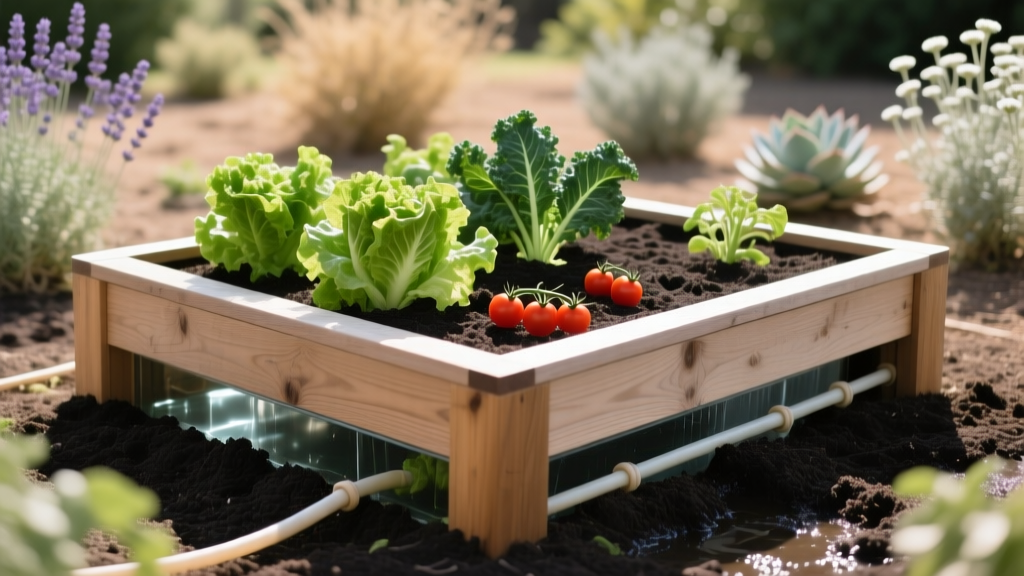
Build a Water-Wise Wicking Raised Bed for Vegetables
James MillerPublished
Introduction to Wicking Beds in Drought Conditions
Gardening in drought-prone regions or during periods of severe water restrictions presents a unique challenge for vegetable growers. Traditional raised beds, while excellent for drainage and soil structure, are notorious for drying out rapidly in the summer heat. When water is scarce and utility costs are soaring, relying on daily overhead watering is neither sustainable nor practical. Enter the wicking raised bed: a revolutionary, water-wise gardening system that draws moisture upward from a hidden underground reservoir directly to the plant roots.
By utilizing the natural physics of capillary action, wicking beds can reduce outdoor water consumption by up to 50% compared to conventional surface watering methods. According to EPA WaterSense, outdoor water use accounts for nearly 30% of total household water consumption, making the transition to highly efficient irrigation systems a critical step for eco-conscious gardeners facing tightening municipal restrictions.
How Wicking Raised Beds Work
The science behind a wicking bed is elegantly simple. At the base of the raised bed lies a waterproof reservoir filled with a coarse aggregate or specialized piping. Above this reservoir sits a permeable geotextile fabric, followed by a deeply amended, moisture-retentive soil mix. As the soil dries from the top down, it creates a suction effect—known as capillary action—that pulls water upward from the reservoir through the fabric and into the root zone.
This means you only need to fill the reservoir via a vertical standpipe every one to two weeks, depending on the climate and crop maturity. Not only does this drastically reduce evaporation, but it also encourages plants to develop deep, robust root systems that are more resilient to heat stress. Because the surface soil remains relatively dry, weed germination is also significantly suppressed.
Materials and Cost Breakdown for a 4x8 Wicking Bed
Building a standard 4-foot by 8-foot wicking bed requires specific materials to ensure the liner holds water and the soil wicks efficiently. Below is a comprehensive materials list and estimated cost breakdown for a DIY project. Prices may vary based on your local hardware store and regional lumber costs.
| Material | Specification | Quantity | Estimated Cost |
|---|---|---|---|
| Untreated Cedar Lumber | 2x6x8 (for two 12-inch high tiers) | 8 boards | $120.00 |
| EPDM Rubber Pond Liner | 45-mil, 10x14 feet | 1 sheet | $85.00 |
| Washed Gravel | 3/8-inch gravel (no sharp edges) | 0.5 cubic yards | $45.00 |
| Geotextile Landscape Fabric | Non-woven, permeable | 40 sq ft | $25.00 |
| PVC Pipe & Fittings | 2-inch diameter for fill/overflow | 1 kit | $15.00 |
| Wicking Soil Mix | Coir, compost, vermiculite blend | 24 cubic feet | $110.00 |
| Organic Mulch | Straw or shredded bark | 2 bales/bags | $20.00 |
| Total Estimated Cost | $420.00 | ||
Step-by-Step Construction Guide
Step 1: Site Preparation and Perfect Leveling
Unlike standard raised beds, a wicking bed must be perfectly level. If the bed slopes even slightly, the water reservoir will pool on one side, leaving the opposite end dry and causing root rot on the lower end. Choose a location that receives at least six to eight hours of direct sunlight. Clear the area of grass and weeds, then use a long carpenter’s level and a tamper to ensure the ground is completely flat.
Step 2: Assemble the Frame and Install the Liner
Construct your 4x8 frame using the cedar lumber, stacking two tiers to achieve a depth of 12 inches for the reservoir and soil layers, or build it up to 24 inches for deeper root crops. Line the entire interior of the box with the 45-mil EPDM rubber liner. EPDM is highly durable, UV-resistant, and safe for growing edibles, unlike PVC plastics which can leach harmful phthalates. Allow the liner to drape over the outside edges, and secure it temporarily with clamps before trimming the excess after the bed is filled.
Step 3: Build the Reservoir and Overflow System
The reservoir layer should occupy the bottom 4 to 6 inches of the bed. Spread the washed 3/8-inch gravel evenly across the bottom. Crucial: Before adding the gravel, install your vertical fill pipe (a 2-inch PVC pipe cut to a height of 12 inches) in one corner, ensuring its base rests on the liner. Next, install an overflow pipe horizontally through the side of the wood frame. The top edge of this overflow hole must be set exactly at the top of the gravel layer. This prevents the soil layer from ever becoming waterlogged, ensuring an essential air gap between the water line and the soil.
Step 4: Add the Separation Layer and Soil
Lay the non-woven geotextile fabric over the gravel, tucking it snugly around the fill pipe. This fabric prevents soil particles from migrating down into the gravel and clogging the reservoir. Now, add your wicking soil mix to a depth of 8 to 12 inches above the fabric. Water the soil heavily from the top down for the first three days to prime the capillary action and connect the soil moisture to the reservoir below.
The Ideal Soil Mix for Capillary Action
Not all garden soils wick water effectively. Heavy clay soils will become waterlogged, while sandy soils will fail to draw moisture upward. The Oregon State University Extension emphasizes the importance of high organic matter in raised bed environments to maintain moisture retention and structural integrity. For a wicking bed, you need a fluffy yet moisture-retentive mix. Never use native topsoil or heavy garden soil in a wicking bed, as it will compact and destroy the microscopic capillary tubes required for water movement.
- 40% Coconut Coir: Coir is superior to peat moss for wicking beds because it rewets easily when dry and holds up to 10 times its weight in water.
- 40% High-Quality Compost: Provides a slow release of nutrients and acts as a sponge for moisture.
- 20% Coarse Vermiculite or Perlite: Ensures adequate aeration and prevents the soil mix from compacting over time, which would otherwise sever the capillary bridges.
Planting and Maintenance in Drought Conditions
Once your bed is primed, you can plant your vegetables. Because the moisture comes from below, surface seeds may need a light top-watering until their roots reach the capillary zone. Transplants like tomatoes, peppers, and squash thrive in wicking beds. For drought-specific cropping, consider planting Armenian cucumbers, Swiss chard, and bush beans, which naturally adapt well to consistent bottom-up moisture.
To maximize water efficiency, apply a 2-inch layer of organic mulch on the soil surface. The Royal Horticultural Society (RHS) notes that organic mulches can reduce surface evaporation by up to 70% while moderating soil temperatures during extreme heat waves.
"Wicking beds are a game-changer for arid climates, but they require annual maintenance. You must flush the reservoir at the end of every growing season by pouring water heavily from the top to wash out accumulated mineral salts that can otherwise reach toxic levels for plant roots."
Troubleshooting Common Wicking Bed Issues
- Algae in the Reservoir: If you notice algae growing in the fill pipe, cap the pipe with a dark PVC cap or a piece of landscape fabric to block sunlight, which algae needs to thrive.
- Dry Patches on the Surface: This usually indicates that the soil mix has too much sand or has compacted. Amend the top layer with pure coconut coir and gently fork it in to restore capillary pathways.
- Mosquito Breeding: Ensure your overflow pipe is fitted with a fine brass mesh screen to prevent mosquitoes from accessing the standing water in the reservoir.
- Salt Buildup: White crust on the soil surface indicates mineral salt accumulation from tap water and fertilizers. To fix this, perform a deep flush by watering heavily from the top until the overflow pipe runs clear, pushing the salts out of the soil profile and into the drainage zone.
Conclusion
Investing the time and materials to build a wicking raised bed pays dividends throughout the growing season. By decoupling your vegetable garden's hydration from the daily whims of the weather and municipal watering restrictions, you secure a resilient, high-yielding harvest. Whether you are battling the dry heat of the American Southwest or simply looking to reduce your environmental footprint, wicking beds represent the pinnacle of water-wise gardening innovation.
