Tree Care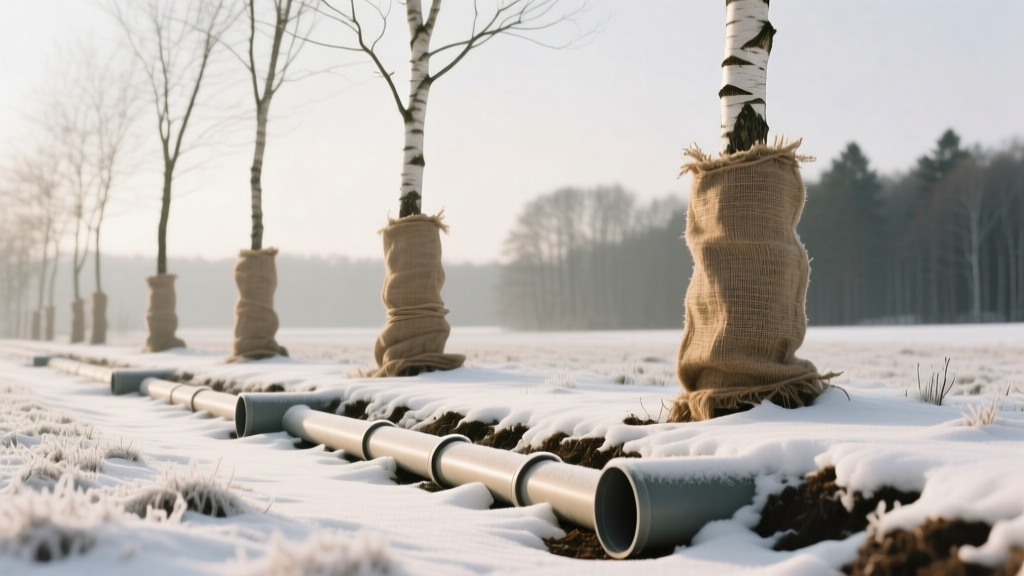
2026 Winter Tree Care: Burlap Wraps & Drain Pipes
Robert HayesPublished
The Dual Threat to Winter Trees: Sunscald and Waterlogged Roots
As we head into the 2026 winter season, homeowners and landscape professionals must recognize that tree survival relies on a holistic approach to both above-ground and below-ground environments. While most tree care guides focus exclusively on trunk protection, ignoring the root zone's moisture levels is a critical error. From the perspective of landscape drainage infrastructure, a tree wrapped perfectly in burlap can still perish by spring if its root system is suffocating in waterlogged, poorly drained soil. This comprehensive guide bridges the gap between traditional tree wrapping with burlap for winter sunscald protection and the strategic installation of landscape drainage pipes to manage winter melt and freezing rain.
Winter sunscald, often referred to as southwest winter injury, occurs when the winter sun heats the bark of thin-barked trees during the day, stimulating cellular activity. When the sun sets or clouds roll in, temperatures plummet, and these active cells freeze and rupture, causing permanent damage to the tree's vascular system. According to the Penn State Extension, species like maple, ash, linden, and most fruit trees are highly susceptible to this phenomenon. Simultaneously, heavy winter precipitation and snowmelt can pool around the root flare. If the soil lacks proper percolation, this water freezes, leading to frost heave, or sits stagnant, causing root asphyxiation and inviting opportunistic pathogens like Phytophthora root rot.
Above Ground: Wrapping Trees with Burlap for Sunscald Protection
Wrapping the trunk with natural burlap is the most effective, breathable method for preventing sunscald. Unlike plastic tree guards or solid vinyl wraps, burlap allows the tree to breathe while providing a crucial shade barrier that stabilizes bark temperature. For the 2026 season, arborists recommend using untreated, natural jute burlap, as synthetic alternatives can trap excess moisture against the bark, promoting fungal growth and defeating the purpose of the wrap.
Step-by-Step Burlap Wrapping Technique
- Timing: Apply the burlap wrap in late fall, typically after the first hard frost but before the ground freezes solid. In most northern zones, this falls between mid-November and early December.
- Preparation: Inspect the trunk for any existing wounds or pest entry holes. Treat any minor issues before wrapping. Ensure the trunk is completely dry to the touch before applying any materials.
- The Wrapping Process: Start at the base of the trunk, slightly overlapping the soil line to protect the root flare. Wrap the burlap upward at a slight angle, overlapping each layer by about one-third of the material's width. This shingle-like effect ensures that any winter rain or melting snow sheds away from the bark rather than soaking into it.
- Securing the Wrap: Use natural jute twine or biodegradable paper tape to secure the burlap. Never use wire, zip ties, or rigid plastic tape, as these can girdle the tree as it undergoes subtle winter expansion and contraction. Continue wrapping until you reach the first set of lower branches.
- Removal: The Arbor Day Foundation stresses the importance of removing wraps in early spring as soon as the threat of hard freezes has passed. Leaving burlap on too long traps spring moisture and provides a hiding place for boring insects.
Below Ground: Integrating Landscape Drainage Pipes for Winter Moisture
While the burlap protects the trunk from temperature fluctuations, the roots require an entirely different defense mechanism: proper drainage. Winter soils are often saturated due to dormant plant uptake and freezing topsoil layers that prevent water percolation. When snow melts rapidly during mid-winter thaws, the water has nowhere to go. This is where landscape drainage pipes become an essential component of comprehensive winter tree care.
The Role of Corrugated and PVC Drainage Pipes
Installing a subsurface drainage system, such as a French drain utilizing perforated corrugated landscape drainage pipes, intercepts excess groundwater and redirects it away from the tree's critical root zone. For existing trees, trenching must be done with extreme care. We recommend using an air spade or hand-digging shallow, radial trenches that avoid severing major structural roots. The goal is to create a moisture escape route without compromising the tree's stability. Frost heave, caused by water freezing and expanding in the soil, can literally push young trees out of the ground, severing their delicate feeder roots. Proper pipe installation mitigates this risk entirely.
Installation Best Practices for 2026
- Identify the Low Point: Observe where water pools during a heavy rain or snowmelt event. This is your primary target for a catch basin or trench drain.
- Select the Right Pipe: Use 4-inch perforated corrugated drainage pipe wrapped in a geotextile filter fabric (often called a 'sock'). The fabric prevents fine clay and silt particles from clogging the pipe's perforations over time.
- Trenching and Grading: Dig a trench that maintains a minimum slope of 1% (1 inch of drop per 8 feet of pipe) to ensure gravity moves the water efficiently. Keep the trench at least 3 to 5 feet away from the main trunk to avoid damaging the root collar.
- Backfilling: Surround the pipe with washed gravel to facilitate rapid water entry, then cover with a layer of landscape fabric before replacing the topsoil and sod.
By combining this below-ground drainage infrastructure with above-ground burlap wraps, you create a microclimate that protects the tree from the dual extremes of winter: freezing bark and drowning roots. The University of Minnesota Extension notes that managing soil moisture is just as critical as managing temperature for overall winter tree survival.
2026 Material Specifications and Cost Comparison
To help you budget for your winter tree care and landscape drainage projects, we have compiled a table of the most reliable materials available on the market for the 2026 season. Prices are estimated based on current national averages at major home improvement and professional landscaping suppliers.
| Material Category | Specific Product / Type | 2026 Estimated Cost | Primary Function |
|---|---|---|---|
| Trunk Protection | Natural Jute Burlap (4-inch roll) | $12.00 - $18.00 | Shades bark to prevent sunscald and frost cracking |
| Fastening | Biodegradable Paper Tree Tape | $8.00 - $14.00 | Secures burlap without girdling or damaging bark |
| Drainage Pipe | 4-inch Perforated Corrugated Pipe w/ Sock | $1.50 - $2.50 / ft | Subsurface water collection and redirection |
| Drainage Fittings | 9-inch Round Catch Basin with Grate | $25.00 - $35.00 | Surface water interception in low-lying areas |
| Backfill Material | Washed Drainage Gravel (3/4 inch) | $45.00 - $60.00 / ton | Creates a porous envelope around drainage pipes |
Common Mistakes to Avoid This Winter
Even with the best materials, improper application can lead to disastrous results. Avoid these common pitfalls when executing your 2026 winter tree care strategy:
- Mulching Too High (Volcano Mulching): Never pile mulch or soil against the burlap wrap or the tree trunk. This traps moisture, defeats the purpose of the drainage pipes, and invites rodent damage. Keep mulch in a flat donut shape, 2 to 3 inches deep, and several inches away from the trunk.
- Ignoring Pipe Outlets: A landscape drainage pipe is only as effective as its exit point. Ensure your pipe daylighting or dry well is clear of debris and capable of handling the volume of a rapid mid-winter snowmelt. An blocked outlet will cause the entire trench to flood and freeze.
- Using Solid Vinyl Guards for Sunscald: While solid plastic guards protect against rodents, they do not breathe and can trap heat and moisture against the bark, exacerbating fungal issues. If you must use a guard for rodent protection, wrap the trunk in burlap first, then place a ventilated guard over it.
- Wrapping Too Early or Removing Too Late: Wrapping while the tree is still actively transpiring in early fall can cause mold. Leaving the wrap on well into the warming days of spring creates a greenhouse effect that tricks the tree into breaking dormancy too early, making it vulnerable to late spring frosts.
Conclusion
Winter tree care in 2026 demands a comprehensive approach that respects both the visible and invisible aspects of tree biology. By meticulously wrapping thin-barked trees with natural burlap to prevent sunscald, and simultaneously engineering the soil environment with landscape drainage pipes to prevent root asphyxiation, you give your landscape the best possible chance to thrive when spring finally arrives. Invest the time this late fall to implement these dual-protection strategies, and your trees will reward you with vigorous, healthy growth for decades to come.
