Gardening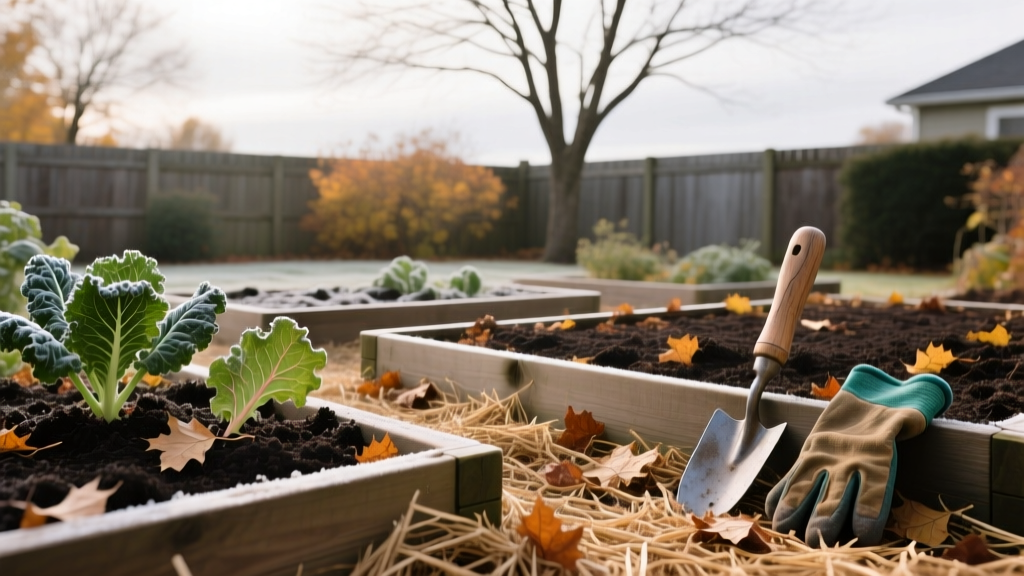
Winterizing Raised Garden Beds: Fall Maintenance Guide
Anna KowalskiPublished
Why Winterizing Raised Beds is Crucial for Spring Success
As the vibrant hues of summer fade and the crisp air of autumn settles in, many gardeners mistakenly believe their work is done once the final harvest is brought indoors. However, the true secret to a bountiful spring garden lies in the seasonal maintenance performed during the fall. Raised garden beds, while excellent for drainage and soil control, are uniquely exposed to the elements. Without proper winterization, the harsh freeze-thaw cycles of winter can degrade your soil structure, leach vital nutrients, and invite overwintering pests and diseases.
Winterizing your raised beds is not merely about cleaning up; it is about actively protecting and building the soil ecosystem. By investing a few weekends in autumn, you safeguard your wooden or metal structures, preserve soil microbiology, and give your future spring seedlings a massive head start. This comprehensive guide will walk you through the essential steps of fall maintenance for raised garden beds, complete with product recommendations, measurements, and cost estimates.
Step 1: Clear Spent Crops and Manage Debris
The first step in seasonal maintenance is a thorough cleanup. Leaving dead plant material in your beds over the winter creates a hospitable environment for fungal spores, bacterial diseases, and insect eggs. According to the University of Minnesota Extension, removing spent crops is one of the most effective ways to break the life cycle of common garden pests.
Sorting Healthy vs. Diseased Plant Material
Not all debris should be treated equally. You must carefully inspect your plants before disposing of them:
- Healthy Plants: Spent tomato vines, bean stalks, and squash leaves that show no signs of disease can be chopped into smaller pieces and added to your compost bin. Alternatively, if you are practicing "chop and drop" permaculture methods, you can leave them on the soil surface to decompose under a layer of mulch.
- Diseased Plants: If your plants suffered from early or late blight, powdery mildew, or severe pest infestations (like squash vine borers), do not compost them. Most home compost piles do not reach the sustained 140°F to 160°F required to kill these pathogens. Bag these plants securely and send them to the municipal landfill or burn them where permitted.
- Weed Removal: Pull any remaining annual weeds by the root. For perennial weeds like bindweed or quackgrass, use a digging fork to carefully extract the entire root system to prevent spring regrowth.
Step 2: Replenish and Amend the Soil
Vegetable crops are heavy feeders. By the end of the season, your raised bed soil is likely depleted of essential macronutrients. Fall is the ideal time to amend the soil because it gives organic matter months to break down and integrate before spring planting.
Testing and Balancing pH
Before adding amendments, conduct a soil test using a kit from your local university cooperative extension. Most vegetables thrive in a slightly acidic to neutral pH range of 6.2 to 6.8. If your soil is too acidic (below 6.0), apply pelletized garden lime at a rate of roughly 5 pounds per 100 square feet. If it is too alkaline (above 7.0), incorporate elemental sulfur.
Adding Organic Matter
Top-dress your beds with 2 to 3 inches of high-quality organic compost. The United States Environmental Protection Agency (EPA) notes that compost not only adds nutrients but also improves soil structure, moisture retention, and microbial diversity. Gently fork the compost into the top 4 to 6 inches of the existing soil. Avoid deep tilling, which can disrupt the delicate mycorrhizal fungal networks and bring dormant weed seeds to the surface.
Pro Tip: Add a slow-release organic fertilizer, such as Espoma Organic All-Purpose Plant Food (4-4-4 NPK), at a rate of 1 cup per 10 square feet. The winter rains will slowly draw these nutrients into the soil profile.
Step 3: Sow a Protective Cover Crop
Leaving soil bare over the winter invites erosion from wind and rain, and allows nutrient leaching. Cover crops, often referred to as "green manure," act as a living mulch. They anchor the soil, suppress winter weeds, and, in the case of legumes, fix atmospheric nitrogen into the soil. The Sustainable Agriculture Research and Education (SARE) program highly recommends cover crops for maintaining long-term soil health in intensive growing systems.
Fall Cover Crop Comparison Chart
Select a cover crop based on your climate zone and specific soil needs. Below is a comparison of the best options for raised beds:
| Cover Crop | Seeding Rate (per 100 sq ft) | Winter Hardiness | Primary Benefit | Spring Termination Method |
|---|---|---|---|---|
| Crimson Clover | 0.5 oz | Hardy to -10°F | Nitrogen fixation, early spring pollinator forage | Pull or cut at base before flowering |
| Winter Rye | 4.0 oz | Extremely Hardy (-30°F) | Massive biomass production, weed suppression | Cut repeatedly or crimp; chop and drop |
| Hairy Vetch | 1.0 oz | Hardy to -20°F | Heavy nitrogen fixation, excellent ground cover | Cut at base 2 weeks before planting |
| Daikon Radish | 0.25 oz | Winter-kills at 20°F | Deep taproots break up compacted soil layers | Winter-kills naturally; no work required |
For raised beds, a mix of Winter Rye and Hairy Vetch is highly recommended. The rye provides a structural trellis for the vetch to climb, while their combined root systems create a robust, aerated soil structure. Broadcast the seeds evenly over the raked soil surface, lightly cover with a quarter-inch of compost, and water thoroughly.
Step 4: Apply a Winter Mulch Layer
If you choose not to plant a cover crop, or if you have beds dedicated to overwintering crops like garlic and perennial herbs, you must apply a protective mulch. Bare soil freezes much deeper and faster than mulched soil, which can heave plant roots out of the ground during freeze-thaw cycles.
Choosing the Right Mulch
- Straw: The gold standard for vegetable beds. Apply a 3 to 4-inch layer. Ensure you are buying straw, not hay, as hay contains thousands of weed seeds that will sprout in your beds.
- Shredded Leaves: A fantastic, free resource. Never apply whole leaves, as they form a wet, impenetrable mat that blocks water and air. Run them over with a lawnmower first to shred them, then apply a 2 to 3-inch layer.
- Wood Chips/Bark: Best reserved for the pathways between raised beds or around permanent perennial borders. Avoid mixing high-carbon wood chips directly into vegetable bed soil, as they tie up nitrogen during decomposition.
"Feed the soil, not the plant. A well-mulched, biologically active soil in the fall guarantees a resilient, disease-resistant garden in the spring."
Step 5: Inspect and Maintain Bed Structures
Raised beds endure significant stress from the outward pressure of wet soil and the expansion of freezing water. Fall is the time to perform structural triage.
Wooden Beds
If your beds are constructed from untreated pine or cedar, inspect the corners for bowing. Tighten all galvanized lag screws or corner brackets using a socket wrench. To extend the life of the wood, lightly sand any rough or splintering areas and apply a generous coat of raw linseed oil or a specialized, non-toxic wood preserver like Valhalla Wood Preserver. Do not use boiled linseed oil, as it often contains toxic chemical drying agents unsuitable for organic food gardens.
Corrugated Metal Beds
Check the top edge protectors (the rubber or plastic trim that covers sharp metal edges). UV exposure and temperature swings can cause these to crack or slip. Replace any missing trim to prevent injury. Inspect the interior seams; if any silicone sealant is peeling, scrape it away and reapply a bead of aquarium-safe, 100% silicone caulk to prevent winter moisture from rusting the joints.
Step 6: Winterize Irrigation and Accessories
Water expands when it freezes, which will easily crack PVC pipes, brass fittings, and ceramic timers. Disconnect all drip irrigation lines, soaker hoses, and smart timers from the spigot.
- Drip Lines: Elevate one end of the tubing and let gravity drain the water. Use a shop-vac on the "blow" setting to force out any remaining droplets. Coil the lines loosely and store them in a shed or garage away from direct sunlight.
- Tools: Clean trowels, hoes, and hori-hori knives with a stiff brush. Wipe metal blades with an oiled rag (using mineral oil or camellia oil) to prevent rust, and rub wooden handles with linseed oil to prevent drying and cracking.
Estimated Fall Maintenance Cost Breakdown
Winterizing your garden is a highly cost-effective endeavor, especially when compared to the cost of replacing soil or battling severe pest outbreaks in the spring. Below is an estimated cost breakdown for maintaining a standard 4x8-foot raised bed (32 square feet).
| Maintenance Task | Materials Needed | Estimated Cost |
|---|---|---|
| Soil Amendment | 2 bags (1.5 cu ft each) organic compost | $10.00 - $16.00 |
| Cover Crop Seed | 1 lb Winter Rye / Hairy Vetch mix | $8.00 - $12.00 |
| Protective Mulch | 1 bale of straw (covers multiple beds) | $6.00 - $10.00 |
| Wood Treatment | Raw Linseed Oil (lasts multiple seasons) | $15.00 - $20.00 |
| Hardware Check | Replacement galvanized corner brackets | $10.00 - $15.00 |
Total estimated cost per 4x8 bed: $49.00 - $73.00, with some materials like oil and straw carrying over into the next season.
Conclusion
Seasonal maintenance and fall care are the unsung heroes of a productive vegetable garden. By systematically clearing debris, amending the soil, sowing cover crops, and fortifying your raised bed structures, you are essentially putting your garden to bed with a full stomach and a warm blanket. When the snow melts and the soil temperatures begin to rise in early spring, you will not be starting from scratch. Instead, you will step out to find a nutrient-rich, structurally sound, and biologically active environment, perfectly primed for your first spring transplants. Embrace the crisp autumn air, grab your tools, and give your raised beds the winter preparation they deserve.
