Tree Care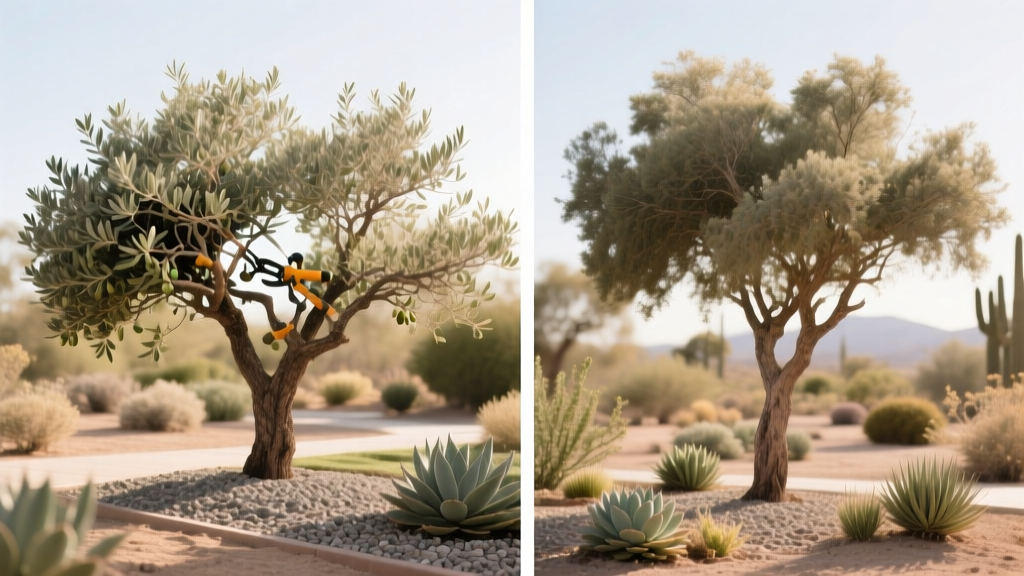
Crown Thinning vs Raising: 2026 Xeriscape Tree Guide
James MillerPublished
Optimizing Tree Canopies for Low-Water Landscapes in 2026
As municipal water conservation mandates tighten across the American West and Southwest in 2026, xeriscaping has evolved from a niche gardening trend into a fundamental standard for residential landscaping. However, integrating mature trees into a low-water landscape presents a unique horticultural challenge. Trees are invaluable assets that provide shade, reduce soil evaporation, and lower ambient yard temperatures. Yet, their extensive root systems and sprawling canopies can compete with drought-tolerant understory plantings and interfere with modern drip irrigation grids.
To maximize water efficiency without compromising tree health, homeowners and landscape architects must employ strategic pruning. The two most critical techniques in the xeriscape arborist's toolkit are crown thinning and crown raising. While both methods alter the tree's structure, their impacts on the landscape's microclimate, soil moisture retention, and irrigation efficiency are vastly different. This comprehensive 2026 guide breaks down crown thinning vs. crown raising, helping you decide which technique best supports your low-water landscape goals.
Crown Thinning: Balancing Light and Moisture
Crown thinning involves the selective removal of interior, crossing, and weak branches throughout the canopy. According to the Arbor Day Foundation, proper thinning should never remove more than 15% to 20% of the live foliage in a single season. The goal is to maintain the tree's natural shape while increasing light penetration and air movement.
Xeriscape Benefits of Thinning
In a xeriscaped yard, sunlight is a currency. Many popular drought-tolerant understory plants—such as Agave, Aloe, and Desert Marigold—require full sun to thrive and maintain their structural integrity. A dense, unthinned tree canopy will cast deep shade, causing these succulents to etiolate (stretch weakly) and fail. By selectively thinning the crown, you create a 'dappled light' microclimate. This allows enough solar radiation to reach the ground for understory plantings while still filtering the harshest midday UV rays, which protects the soil from rapid moisture loss.
Furthermore, thinning reduces the overall leaf surface area of the tree. Fewer leaves mean less transpiration, effectively reducing the tree's daily water demand. During the peak heat of a 2026 summer, a moderately thinned tree will draw less moisture from the soil, leaving more available for surrounding shallow-rooted xeriscape plants.
The Risks: Sunscald and Soil Evaporation
Over-thinning, often referred to as 'lion's tailing,' is a disastrous mistake in arid climates. Stripping too much interior foliage exposes the tree's inner bark to direct, scorching sunlight, leading to sunscald. This damage compromises the cambium layer, inviting pests like bark beetles and drastically increasing the tree's stress levels. Additionally, if too much shade is removed, the soil surface temperature spikes, accelerating evaporation and negating the benefits of your mulch layer.
Crown Raising: Elevating the Canopy for Hardscape and Mulch
Crown raising is the systematic removal of the lowest branches on a tree to provide vertical clearance above the ground. In traditional landscaping, this is done to clear space for lawnmowers or pedestrian traffic. In xeriscaping, however, crown raising serves a much more vital hydrological purpose.
Creating Space for Low-Water Underplanting and Mulch
A core tenet of xeriscaping is the application of a 3-to-4-inch layer of inorganic mulch, such as decomposed granite, river rock, or crushed gravel. This mulch layer is essential for suppressing weeds and reflecting heat. However, if a tree's lower branches are allowed to sweep the ground, they will trap organic debris, create damp microclimates that invite fungal pathogens, and physically disrupt the gravel layer. By raising the crown to a clearance of 6 to 8 feet, you open up the basal area of the tree. This allows for seamless installation of hardscaping, gravel mulch, and low-water groundcovers like Dymondia or creeping Sedum directly under the drip line.
Protecting Drip Irrigation Infrastructure
Modern xeriscapes rely heavily on sub-surface or low-volume drip irrigation systems, such as Netafim Techline CV. Low-hanging branches can easily snag, crush, or dislodge these irrigation lines during wind events. Crown raising ensures that your automated watering infrastructure remains accessible for maintenance and safe from physical damage. It also prevents lower branches from 'wicking' moisture from the soil or intercepting the spray from low-volume micro-sprinklers.
Head-to-Head Comparison: Thinning vs. Raising
To help you plan your 2026 landscape maintenance schedule, here is a direct comparison of how these two techniques impact a low-water environment.
| Metric | Crown Thinning | Crown Raising |
|---|---|---|
| Primary Xeriscape Goal | Increase light for understory succulents; reduce tree transpiration. | Clear space for gravel mulch, hardscape, and drip lines. |
| Impact on Soil Moisture | Can increase evaporation if over-thinned; otherwise neutral. | Allows for thick mulch application, heavily reducing evaporation. |
| Microclimate Effect | Increases air flow, reducing fungal humidity; raises ground temp slightly. | Maintains shade canopy while opening the physical ground plane. |
| Risk to Tree Health | High risk if 'lion's tailed'; causes sunscald and stress. | Low risk if done gradually; removes older, less efficient foliage. |
| 2026 Average Pro Cost | $250 - $450 per mature tree. | $150 - $300 per mature tree. |
Species-Specific Strategies for Arid Climates
Not all trees respond to pruning in the same way. When managing a xeriscape, you must tailor your approach to the specific species planted in your yard.
- Blue Palo Verde (Parkinsonia florida): These iconic desert trees are highly susceptible to windthrow during late-summer monsoons. Crown raising is preferred to reduce the 'sail effect' of the lower canopy, while minimal thinning should be done to avoid exposing the green, photosynthetic bark to sunburn.
- Desert Willow (Chilopsis linearis): This multi-trunked tree benefits greatly from crown thinning. Opening the center of the canopy improves air circulation, which is vital for preventing powdery mildew in areas where xeriscapes utilize occasional deep-soaking monsoon rains.
- Fruitless Olive (Olea europaea): Olives are incredibly drought-hardy but can become dense. A combination of both techniques is ideal. Raising the canopy allows for the placement of Bluetooth-enabled soil moisture sensors (like the Ecowitt WH51) directly in the root zone without branch interference, while light thinning keeps the tree's water demand at an absolute minimum.
Execution, Timing, and 2026 Best Practices
Timing is everything in low-water landscaping. Pruning stimulates new growth, and new growth requires water. If you prune a tree right before a severe heatwave or a scheduled municipal water cutback, the tree will suffer immense stress.
According to the University of California Agriculture and Natural Resources (UC ANR), the optimal time to prune most shade trees in xeriscapes is during the dormant season (late winter) or immediately after the spring growth flush has finished. In monsoon-prone regions like Arizona and New Mexico, light crown raising should be completed in early May to elevate the canopy before the violent July windstorms arrive.
"In a xeriscape, every leaf represents a water investment. Never remove foliage without a specific hydrological or structural purpose. The goal is to engineer a canopy that shades the soil without hoarding the irrigation meant for the broader landscape."
If you are hiring an ISA-Certified Arborist in 2026, expect to pay between $175 and $350 per hour. To keep costs down, clearly communicate that you are practicing xeriscape principles. Specify that you want 'structural crown raising for hardscape clearance' rather than a generic 'tree cleanup,' which often results in contractors over-thinning the interior.
Essential Tools for the Xeriscape Arborist
For DIY homeowners tackling smaller ornamental trees, using the right equipment ensures clean cuts that heal quickly, preventing moisture loss and disease entry. Avoid anvil pruners, which crush the vascular tissue. Instead, invest in high-quality bypass tools:
- Felco 2 Classic Bypass Pruners: The industry standard for clean cuts on branches up to 1 inch thick.
- Silky Gomtaro Hand Saw: Features a razor-sharp Japanese pull-saw blade that slices through dry, dense desert wood without tearing the bark.
- Corona Telescoping Pruning Saw: Ideal for crown raising on branches up to 12 feet high without the need for a ladder, maintaining safety on uneven xeriscape terrain.
Conclusion
Mastering the balance between crown thinning and crown raising is essential for any successful low-water landscape in 2026. While thinning optimizes light distribution for your drought-tolerant understory and reduces the tree's transpiration rate, raising the canopy is the ultimate solution for integrating deep gravel mulch and protecting vital drip irrigation lines. By understanding the unique hydrological impacts of each technique, you can cultivate a stunning, resilient xeriscape that conserves every drop of water while providing vital shade and ecological value to your property. For more foundational strategies on building water-wise landscapes, consult resources like Water Use It Wisely to ensure your outdoor spaces remain sustainable for decades to come.