
Landscaping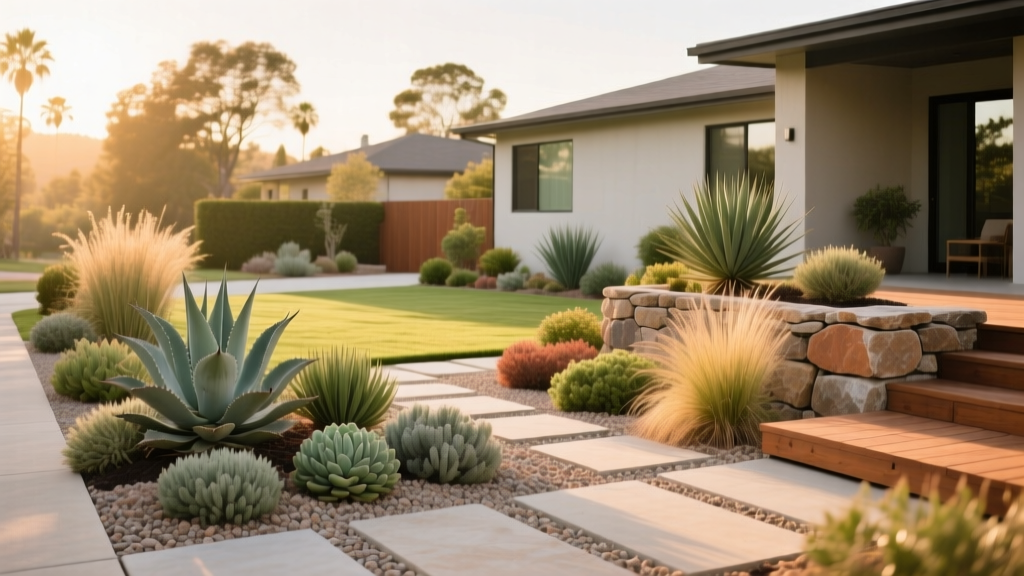
Best Xeriscape Front Yard Ideas For Drought Curb Appeal
Mike RodriguezPublished
Introduction to Front Yard Xeriscaping
When you think of curb appeal, a lush, emerald-green lawn often comes to mind. However, maintaining that traditional turf requires massive amounts of water, chemical fertilizers, and weekend labor. As climate patterns shift and municipal water restrictions become more common, homeowners are increasingly turning to xeriscaping. Xeriscaping is not about creating a barren, desert-like wasteland; rather, it is a strategic landscaping philosophy focused on water conservation, sustainability, and year-round visual interest. By rethinking your front yard, you can dramatically reduce your outdoor water consumption while boosting your property value. According to EPA WaterSense, outdoor water use accounts for nearly 30 percent of total household water consumption, with some arid regions seeing that number climb to 60 percent. Transitioning to a drought-resistant front yard is one of the most impactful environmental and financial decisions a homeowner can make.
The Hidden Costs of Thirsty Turf
The financial burden of a traditional front lawn extends far beyond the water bill. Running sprinklers, purchasing herbicides, aerating, and mowing all carry hidden costs. On average, maintaining a standard Kentucky Bluegrass or Fescue lawn can cost between $1,000 and $2,500 annually when factoring in water, equipment maintenance, and professional services. In contrast, a well-designed xeriscape front yard can reduce landscape maintenance costs by up to 50 percent after the initial establishment period. Furthermore, many local municipalities and water districts now offer turf rebate programs, paying homeowners anywhere from $1 to $3 per square foot to remove water-intensive grass and replace it with drought-tolerant alternatives.
Step 1: Site Analysis and Hydrozoning
The foundation of any successful water-wise landscape is a concept known as hydrozoning. Hydrozoning involves grouping plants with similar water, sunlight, and soil requirements together. This prevents the common mistake of overwatering drought-tolerant species just to keep a neighboring moisture-loving plant alive. Start by mapping your front yard's microclimates. Identify the hot zones near driveways, south-facing walls, and sidewalk edges where heat radiates and soil dries out rapidly. These areas are perfect for highly drought-resistant succulents and Mediterranean herbs. Conversely, identify cool zones or low-lying areas where water naturally collects or where shade from mature trees provides relief from the afternoon sun. You can reserve these slightly more protected zones for plants that require moderate summer watering.
Step 2: Turf Removal and Soil Preparation
Before planting, you must address the existing turf and soil. Removing grass can be done through solarization, sheet mulching, or mechanical sod cutting. Sheet mulching is an eco-friendly approach: mow the grass as short as possible, lay down overlapping layers of untreated cardboard, and cover it with three to four inches of wood chip mulch. Over three to four months, the grass will decompose, enriching the soil ecosystem. When it comes to soil preparation, avoid the temptation to heavily amend native soil with rich compost. While vegetable gardens crave organic matter, many drought-tolerant native plants, such as Penstemon and Salvia, actually prefer lean, well-draining soil. If you have heavy clay soil, focus on improving drainage by incorporating expanded shale or pumice rather than water-retaining peat moss. The Colorado State University Extension emphasizes that proper soil preparation and drainage are the most critical factors in xeriscape plant survival.
Step 3: Choosing Drought-Resistant Plants
Selecting the right plants is where your front yard's curb appeal truly comes to life. The goal is to choose species that offer multi-season interest through varied foliage textures, vibrant blooms, and architectural forms. The UC Davis Arboretum All-Stars program is an excellent resource for identifying tough, low-water plants that thrive in challenging conditions while supporting local pollinators. When designing your plant palette, aim for a mix of structural anchor plants, mid-height shrubs, and sprawling groundcovers to mimic the layered look of a traditional garden without the water demand.
| Plant Name | Botanical Name | Sun Exposure | Water Needs | Mature Size |
|---|---|---|---|---|
| Agave | Agave americana | Full Sun | Very Low | 4-6 ft tall, 6-8 ft wide |
| California Lilac | Ceanothus 'Yankee Point' | Full Sun | Low | 1-2 ft tall, 8-10 ft wide |
| Lavender | Lavandula angustifolia | Full Sun | Low | 2-3 ft tall, 3-4 ft wide |
| Red Yucca | Hesperaloe parviflora | Full to Part Sun | Very Low | 3-4 ft tall, 4-5 ft wide |
| Creeping Rosemary | Salvia rosmarinus 'Prostratus' | Full Sun | Low | 1-2 ft tall, 4-8 ft wide |
Step 4: Hardscaping and Permeable Pathways
Hardscaping plays a pivotal role in front yard xeriscaping, providing structure, reducing the total planted area, and creating functional pathways. Instead of expansive concrete slabs that contribute to the urban heat island effect and cause stormwater runoff, opt for permeable hardscape materials. Decomposed granite (DG), crushed gravel, and flagstone set in coarse sand allow rainwater to percolate back into the groundwater table. A beautifully edged DG pathway winding through a dry creek bed lined with river rocks can serve as a striking focal point. Dry creek beds are not only visually appealing but also serve a practical purpose by directing seasonal rainwater away from your home's foundation and into your garden beds. When installing decomposed granite, always use aluminum or steel edging to keep the material contained and prevent it from washing away during heavy storms. The cost for professional DG installation typically ranges from $4 to $8 per square foot, making it an affordable alternative to poured concrete or natural stone pavers.
Step 5: Mulching and Smart Irrigation
No xeriscape is complete without a robust mulching and smart irrigation strategy. Mulch is the unsung hero of water-wise landscaping. Applying a three-inch layer of organic wood chips or inorganic gravel mulch over your soil drastically reduces evaporation, suppresses weed growth, and keeps root zones cool during peak summer heat. Organic mulches will eventually break down and improve soil structure, while inorganic gravel mulches are ideal for succulents and cacti that are prone to crown rot in damp conditions.
Even drought-tolerant plants require supplemental watering during their first one to two years of establishment. However, you should abandon traditional spray-head sprinklers, which lose massive amounts of water to wind drift and evaporation. Instead, install a drip irrigation system using products like Netafim Techline CV, which features built-in check valves to prevent low-head drainage on slopes. When configuring your drip lines, use emitters with varying flow rates—such as 0.5 GPH (gallons per hour) for small perennials and 2.0 GPH for larger established shrubs. This ensures each plant receives precisely the hydration it needs without waterlogging the surrounding soil. Pair your drip system with a Weathermatic or Rachio smart irrigation controller. These Wi-Fi-enabled devices connect to local weather stations and automatically skip watering cycles when rain is in the forecast or when soil moisture levels are adequate. Once your plants are fully established (usually after 24 months), you can dial back the irrigation to deep, infrequent soakings just a few times a month during the hottest summer weeks.
Conclusion
Transforming your front yard into a water-wise xeriscape is a rewarding investment in both your property and the environment. By thoughtfully hydrozoning, removing thirsty turf, selecting resilient plants, and installing smart irrigation, you can create a dynamic, drought-resistant landscape that looks spectacular year-round. Not only will you drastically cut down on your water bills and weekend chore list, but you will also set a powerful example of sustainable landscaping in your neighborhood. Embrace the beauty of water-wise design, and watch your front yard thrive in harmony with the local climate.

