
Landscaping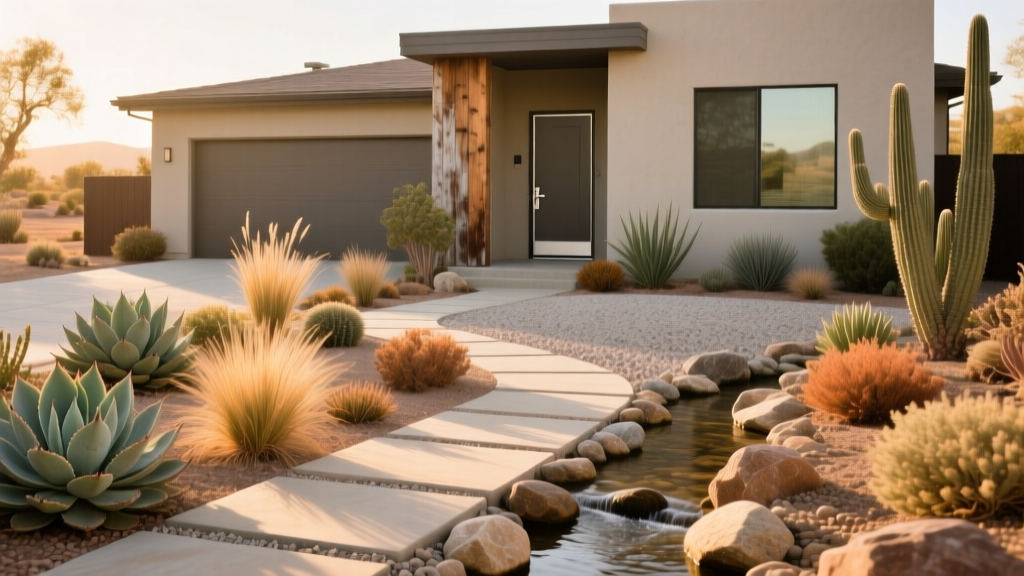
Xeriscape Front Yard Design: Drought-Tolerant Landscaping Guide
David ParkPublished
The Shift Toward Water-Wise Landscaping
As climate patterns shift and water restrictions become more frequent across the globe, homeowners are rethinking the traditional, water-thirsty front lawn. According to the Environmental Protection Agency (EPA), the average American family uses 320 gallons of water per day, with nearly 30% of that dedicated to outdoor uses. In arid and semi-arid regions, outdoor water use can account for more than 60% of a household's total consumption. This staggering statistic has propelled xeriscaping—a landscaping method that reduces or eliminates the need for supplemental irrigation—from a niche desert concept into a mainstream, curb-appeal-boosting design strategy.
Xeriscaping is not about replacing your yard with barren rock and a single cactus. When executed correctly, a water-wise front yard is a lush, textured, and vibrant ecosystem that thrives on natural rainfall. By combining drought-tolerant groundcovers, strategic hardscaping, and smart soil management, you can create a stunning front yard that drastically lowers your water bill and maintenance hours.
Understanding Hydrozoning: The Secret to Xeriscape Success
The foundational principle of any successful drought-tolerant landscape is hydrozoning. Hydrozoning involves grouping plants with similar water, sunlight, and soil requirements together. This prevents the common mistake of overwatering drought-resistant plants just to keep a neighboring moisture-loving plant alive.
- The Oasis Zone: Located near the home's entryway or patio, this zone receives the most attention and water. Here, you can plant higher-water-use specimens or potted annuals that provide a vibrant welcome.
- The Transition Zone: This middle area bridges the gap between the lush oasis and the arid perimeter. Plants here require moderate, deep, and infrequent watering.
- The Arid Zone: The outer edges of your front yard, near the street or property lines, should be reserved for native, highly drought-tolerant species that survive entirely on natural rainfall once established.
Soil Preparation for Drought Tolerance
Drought-tolerant plants will fail if they are placed in compacted, nutrient-poor dirt. Water-wise landscaping requires soil that can absorb and retain moisture deep within the root zone. Before planting, perform a percolation test to determine your drainage rate. Heavy clay soils hold water but restrict root growth and oxygen, while sandy soils drain too quickly for roots to absorb moisture.
To amend heavy clay, incorporate 2 to 3 inches of organic compost and expanded shale into the top 6 to 8 inches of soil. For sandy soils, organic compost acts as a sponge, increasing the soil's water-holding capacity. According to the Colorado State University Extension, amending the soil is one of the seven core principles of xeriscaping, as it directly influences the plant's ability to establish deep, drought-resistant root systems.
Pro Tip: Avoid using synthetic fertilizers in a xeriscape. High-nitrogen fertilizers promote rapid, shallow, and thirsty top-growth. Instead, rely on organic compost and slow-release organic nutrients to encourage deep root development.
Top Drought-Tolerant Groundcovers to Replace Turf
Ripping out a traditional Kentucky Bluegrass or Fescue lawn is the single most impactful step you can take to reduce outdoor water use. However, bare dirt leads to erosion and heat islands. Drought-tolerant groundcovers provide a living carpet that cools the soil, suppresses weeds, and requires a fraction of the water. The University of California's WUCOLS database is an excellent resource for identifying the exact water needs of regional plants.
| Plant Name | USDA Zones | Water Needs | Sun Exposure | Foot Traffic Tolerance |
|---|---|---|---|---|
| Creeping Thyme | 4-9 | Low | Full Sun | Moderate to High |
| Sedum (Stonecrop) | 3-10 | Very Low | Full Sun to Part Shade | Low |
| Dwarf Coyote Brush | 9-11 | Very Low | Full Sun | Moderate |
| Buffalo Grass | 4-9 | Low | Full Sun | High |
| Creeping Rosemary | 8-10 | Low | Full Sun | Low |
Spotlight: Buffalo Grass
If you still desire a walkable, lawn-like appearance without the massive water footprint, Buffalo Grass is a premier choice. This native North American prairie grass requires 75% less water than traditional turfgrass. It thrives in full sun, requires minimal mowing (only once a month during peak summer), and goes naturally dormant (turning a warm tan color) during the winter months.
Integrating Permeable Hardscaping
A well-designed xeriscape balances living plants with structural hardscaping. Hardscapes reduce the total square footage of your yard that requires irrigation while providing functional outdoor spaces. However, traditional concrete driveways and patios create impermeable surfaces that cause water runoff and strain municipal storm drains.
Instead, utilize permeable hardscaping materials to allow rainwater to percolate back into the soil, passively watering the surrounding arid zones:
- Decomposed Granite (DG): A cost-effective, natural-looking material that compacts well for pathways. Install a 3-inch layer of DG over a weed-blocking geotextile fabric and a 2-inch base of crushed gravel.
- Permeable Pavers: Concrete or stone pavers spaced with gaps filled with crushed stone or creeping thyme. They require a deeper base layer (typically 4 to 6 inches of crushed rock) to act as an underground water reservoir.
- Dry Creek Beds: Use river rock and boulders to create a visual focal point that also functions as a French drain, capturing roof runoff and directing it into your landscape's transition zone.
Mulching and Smart Irrigation Strategies
Mulch is the unsung hero of water-wise landscaping. A 3 to 4-inch layer of mulch reduces soil surface evaporation by up to 70%, keeps root zones cool, and suppresses water-stealing weeds.
Choosing the Right Mulch
Organic mulches, such as shredded bark or wood chips, are ideal for the oasis and transition zones because they break down over time, adding valuable organic matter to the soil. Inorganic mulches, like crushed gravel, decomposed granite, or river rock, are better suited for the arid zone and around succulents, as they prevent the crown rot that can occur when organic mulches trap too much moisture against the stems of desert plants.
Upgrading to Drip Irrigation
Overhead sprinklers lose massive amounts of water to wind drift and evaporation. Transition your front yard beds to a subsurface or surface drip irrigation system. Use pressure-compensating emitters rated at 1 to 2 Gallons Per Hour (GPH) placed directly at the root zone of each plant. Pair your drip system with a smart Wi-Fi irrigation controller that automatically adjusts watering schedules based on local weather data and soil moisture sensors.
Xeriscaping Cost vs. Traditional Turf
While the initial installation cost of a xeriscape is generally higher than laying down rolls of cheap sod, the return on investment (ROI) is realized rapidly through drastically reduced water bills, eliminated mowing costs, and reduced fertilizer purchases.
| Metric | Traditional Turf Lawn | Xeriscape Front Yard |
|---|---|---|
| Initial Installation Cost | $0.50 - $1.50 per sq. ft. | $2.50 - $8.00 per sq. ft. |
| Annual Water Cost (1000 sq ft) | $300 - $600+ | $30 - $80 |
| Maintenance Time | 2-4 hours/week (mowing, edging) | 2-4 hours/month (weeding, pruning) |
| Fertilizer & Chemical Needs | High (3-4 applications/year) | Very Low (annual compost top-dressing) |
Many local municipalities and water districts now offer turf-removal rebates, paying homeowners anywhere from $2 to $5 per square foot of grass removed and replaced with drought-tolerant landscaping. Always check with your local water authority before breaking ground to see if your project qualifies for these lucrative incentives.
Conclusion: Embracing the New American Yard
Transitioning to a water-wise front yard is one of the most impactful landscaping decisions a homeowner can make. By embracing hydrozoning, improving soil health, selecting resilient native plants, and integrating permeable hardscapes, you create a dynamic, ecologically friendly landscape. A xeriscaped front yard not only withstands the harshest summer droughts but also provides year-round texture, supports local pollinators, and sets a new standard for neighborhood curb appeal. Start small by converting a difficult-to-water parkway or slope, and watch as your water bills drop and your landscape thrives.

