
Landscaping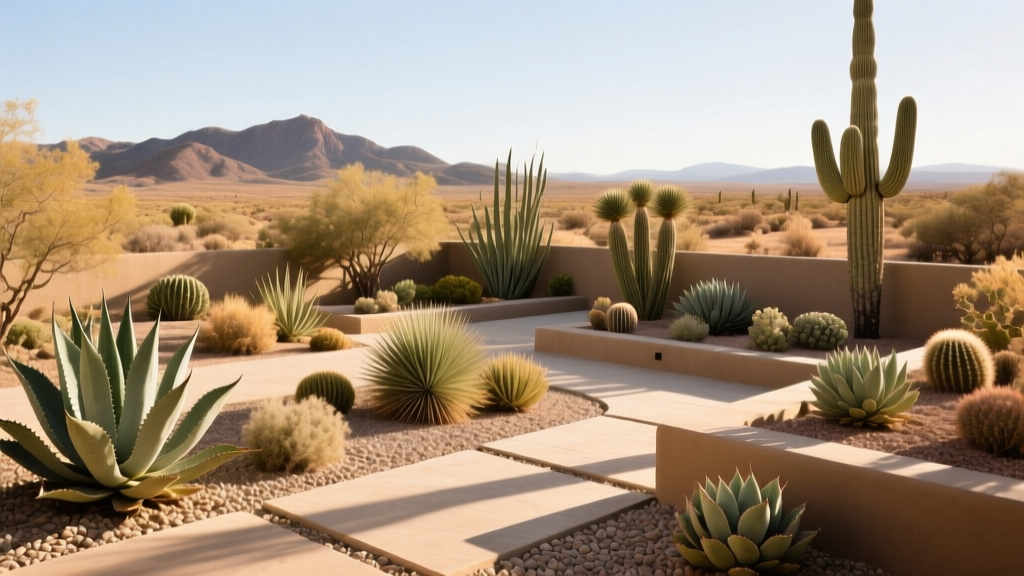
Xeriscaping the Southwest: Drought-Tolerant Landscape Design
Anna KowalskiPublished
The American Southwest, encompassing USDA Hardiness Zones 8 through 10, presents a unique set of challenges for landscaping. With summer temperatures frequently exceeding 105°F and annual rainfall often dropping below 10 inches, traditional turf-heavy landscapes are both ecologically and financially unsustainable. Xeriscaping—a term derived from the Greek word 'xeros' meaning dry—is not about creating a barren, dusty yard. Instead, it is a sophisticated, regional approach to landscape design that maximizes curb appeal while minimizing water usage.
According to the EPA WaterSense program, outdoor water use accounts for nearly 30% of total household water consumption, and in arid regions, this can spike to over 60%. By transitioning to a drought-tolerant xeriscape, homeowners in states like Arizona, Nevada, and New Mexico can reduce landscape water use by 50% to 75%.
For the best establishment rates, plant these species in the early fall (October to November). This allows the root systems to establish in the cooler, damper winter months before facing the brutal stress of the summer sun. Expect to pay between $15 and $45 per 5-gallon specimen at local nurseries.
Overcoming Caliche and Poor Desert Soils
Before selecting plants, you must address the soil. Much of the Southwest suffers from caliche—a hardened layer of calcium carbonate that restricts root growth and prevents water drainage. Attempting to plant directly into caliche is a primary reason desert landscapes fail. To test for caliche, dig a 12-inch test hole and fill it with water. If it does not drain within a few hours, you have a caliche layer. To remediate, use a pickaxe or a rotary hammer drill to fracture the hardpan. When backfilling, avoid amending the soil exclusively with rich organic matter, as this creates a 'bathtub effect' where water pools in the loose soil and rots the roots of native plants. Instead, use a 70/30 mix of native soil and expanded shale or high-quality compost. Apply a 2-to-3-inch layer of organic mulch over the root zone to reduce soil temperature by up to 20°F and retain moisture.Top Drought-Tolerant Plants for Zones 8-10
Selecting the right plant for the right microclimate is crucial. Hydrozoning—grouping plants with similar water and sunlight requirements together—ensures that your deep-rooted desert natives aren't overwatered by adjacent thirstier specimens. Below is a curated list of high-performing, low-water plants ideal for the Southwest.| Common Name | Botanical Name | Sun Exposure | Water Needs | Mature Size |
|---|---|---|---|---|
| Century Plant | Agave americana | Full Sun | Very Low | 6 ft x 10 ft |
| Red Yucca | Hesperaloe parviflora | Full Sun | Low | 3 ft x 4 ft |
| Texas Ranger | Leucophyllum frutescens | Full Sun | Low | 5 ft x 5 ft |
| Ocotillo | Fouquieria splendens | Full Sun | Very Low | 15 ft x 10 ft |
| Lantana | Lantana camara | Full Sun | Moderate | 3 ft x 4 ft |
Hardscaping: Decomposed Granite and Permeable Pavers
Hardscaping replaces water-thirsty turf with functional, visually striking elements. Decomposed granite (DG) is a staple in Southwestern landscaping. It provides a natural, desert-appropriate aesthetic and allows for excellent permeability. When installing DG pathways or patios, excavate to a depth of 6 inches. Lay down a geotextile weed barrier, add a 3-inch base of crushed gravel (such as 3/4-inch minus road base), and compact it with a plate compactor. Finish with a 2-inch layer of DG mixed with a stabilizing binder to prevent erosion and weed growth. The total cost for professional DG installation ranges from $1.50 to $3.00 per square foot. For larger gathering spaces, consider permeable pavers. Unlike solid concrete, permeable pavers are spaced with gravel joints that allow monsoon rainwater to percolate into the soil below, recharging the local water table and reducing runoff erosion.Hydrozoning and Smart Irrigation Strategies
Even drought-tolerant plants require supplemental irrigation during their first two years of establishment. However, the method of delivery is paramount. Overhead spray heads are highly inefficient in the desert due to rapid evaporation and wind drift. Instead, utilize Netafim or Rain Bird drip irrigation lines equipped with 2 GPH (gallons per hour) pressure-compensating emitters. Place emitters at the drip line of the plant, not directly against the trunk, to encourage outward root growth. As highlighted by the Water Use It Wisely campaign, upgrading to a smart weather-based irrigation controller (like the Rachio 3 or B-hyve) can save thousands of gallons annually. These controllers connect to local Wi-Fi and adjust watering schedules based on real-time evapotranspiration (ET) data, automatically skipping watering cycles after a monsoon downpour. Additionally, integrate rainwater harvesting. A 1,000-square-foot roof can capture roughly 600 gallons of water from a single 1-inch rainstorm. Directing downspouts into 50-gallon rain barrels or passive rain gardens lined with river rock provides free, chlorine-free irrigation for your landscape.The 7 Principles of Xeriscape Maintenance
According to the Colorado State University Extension, which originally codified the xeriscaping movement, maintenance is the final and most critical principle. A xeriscape is not a 'no-scape.' Desert landscapes require specific, timed maintenance:- Weed Control: Pre-emergent herbicides like Gallery or Pendulum should be applied in early spring and late fall to prevent desert annuals like puncturevine from germinating.
- Pruning: Avoid 'poodle pruning' or shearing desert shrubs into artificial shapes. This stresses the plant and increases water loss. Use hand pruners to selectively thin Texas Rangers and Lantana in late February.
- Mulch Replenishment: Organic mulch breaks down in the intense UV radiation. Top up your mulch layers every 18 months to maintain a 3-inch depth.
- Irrigation Audits: Flush drip lines annually to clear mineral deposits from the emitters, a common issue with hard desert well water.

