
Landscaping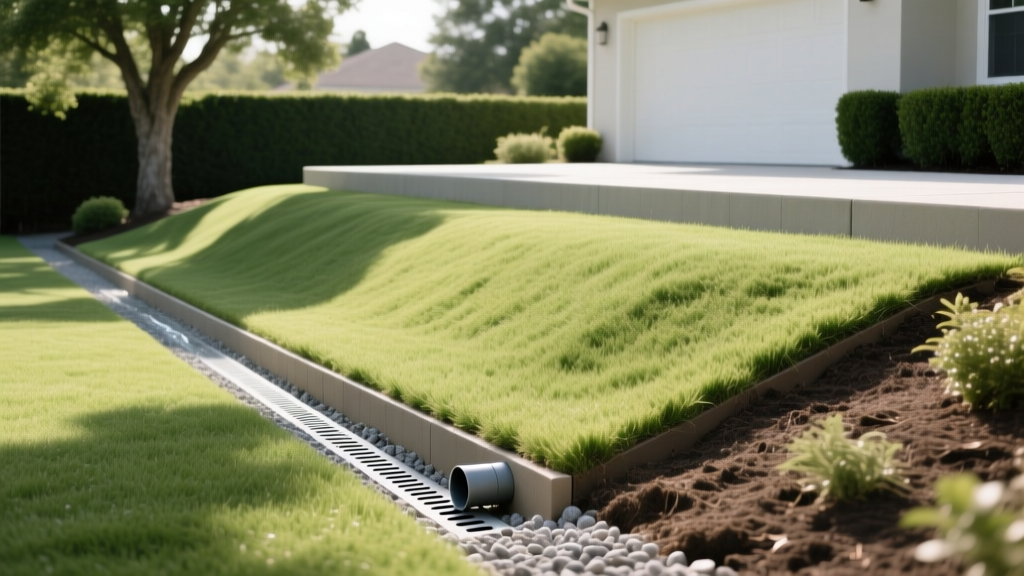
Top Yard Grading Mistakes and Foundation Drainage Fixes
Emily WatsonPublished
Introduction to Yard Grading and Foundation Health
When homeowners think about landscaping, they often envision lush garden beds, vibrant perennials, and pristine hardscaping. However, the most critical element of any landscape design is entirely invisible once completed: yard grading and drainage. Water is the ultimate adversary of a home's structural integrity. When surface water pools near your foundation, it can lead to hydrostatic pressure, basement flooding, cracked concrete, and severe mold issues.
According to the Penn State Extension, improper surface drainage is one of the leading causes of residential basement moisture and foundation settling. Fixing these issues after a home is built can cost tens of thousands of dollars, whereas proactive landscaping and proper grading cost a fraction of that price. In this guide, we will break down the most common yard grading mistakes and provide actionable, professional-grade fixes to protect your property.
Mistake 1: Negative Grading (Sloping Toward the House)
The most pervasive and destructive landscaping mistake is negative grading. This occurs when the soil around your foundation slopes toward the house rather than away from it. Even a seemingly flat yard can hold water like a bowl if it lacks a positive slope, directing thousands of gallons of rainwater directly against your basement walls or concrete slab.
The Fix: The 6-Inch over 10-Foot Rule
To achieve proper positive grading, the soil must drop at least 6 inches over the first 10 feet away from your foundation. This equates to a 5% slope, which is the industry standard for rapid surface water runoff.
- Action Step: Use a 10-foot 2x4 board and a carpenter's level. Place one end at the foundation and extend it outward. The board should slope downward so that the gap between the ground and the far end of the board is at least 6 inches.
- Material: Use heavily compacted, clay-rich fill dirt for the base grading layer, not loose topsoil, which will erode and settle over time.
- Cost & Timing: Professional regrading typically costs between $1,500 and $3,000. The best time to regrade is in late spring or early fall when the soil is workable but not saturated.
Mistake 2: Mulch Volcanoes and Hardscape Traps
Many homeowners and amateur landscapers pile mulch high against the home's siding and foundation—a practice known as a "mulch volcano." While mulch is excellent for retaining soil moisture in garden beds, placing it against the house creates a moisture bridge that bypasses your foundation's waterproofing and invites termites and wood rot. Similarly, building paver patios or retaining walls too close to the foundation without proper weep holes can trap water.
The Fix: The 4-Inch Foundation Gap
Maintain a strict buffer zone between your landscaping materials and your home's exterior.
- Mulch Placement: Keep mulch at least 4 to 6 inches away from your siding and foundation. Expose the concrete foundation to the air to allow it to breathe and dry out.
- Hardscaping Adjustments: If you are installing a patio, ensure the pavers are at least 1/4 inch below the top of the foundation wall or the sill plate. Install weep holes or a French drain behind the retaining wall to relieve hydrostatic pressure.
Mistake 3: Downspout Dumping
Your roof can shed hundreds of gallons of water during a brief thunderstorm. If your gutter downspouts simply dump this water at the base of your foundation, no amount of positive soil grading will save you from water intrusion. The University of Florida IFAS Extension emphasizes that managing roof runoff is the first line of defense in residential water management.
The Fix: Extend and Bury
Never let downspouts discharge within 4 feet of your foundation. For optimal protection, extend them 10 feet away.
- Above-Ground Solution: Use flexible or rigid aluminum downspout extenders paired with heavy-duty splash blocks to dissipate water energy and prevent soil erosion.
- Below-Ground Solution (Recommended): Bury solid SDR 35 PVC pipe (not perforated) connected to your downspouts. Route these pipes to a daylight exit, a municipal storm drain (if permitted), or a dry well located at the lowest point of your property.
- Product Tip: Use NDS catch basins at the base of downspouts to easily capture debris and prevent the buried PVC pipes from clogging with autumn leaves.
Mistake 4: Ignoring Soil Composition
Not all dirt is created equal. A common mistake is using bagged topsoil or potting mix to build up the grade near a foundation. These soils are highly organic, porous, and designed to hold water—exactly the opposite of what you want near your home. Furthermore, heavy clay soils can expand when wet and contract when dry, causing foundation shifting.
The Fix: Amend and Cap
- Base Layer: Use a sandy loam or engineered fill dirt for the primary grading slope. This soil compacts tightly and sheds water efficiently.
- Top Layer: You can add a 2-inch layer of high-quality topsoil over the compacted fill dirt to support turfgrass, but ensure the underlying slope remains intact.
- Clay Soil Fix: If your yard is heavy clay, incorporate organic compost and coarse sand into the top 6 inches of the broader yard to improve percolation, but keep the immediate foundation perimeter tightly compacted.
Mistake 5: Shallow or Clogged French Drains
A French drain is a subsurface trench filled with gravel and a perforated pipe designed to intercept and redirect groundwater. However, DIY installations frequently fail because they are dug too shallow, lack the proper slope, or become clogged with silt within a single season.
The Fix: Proper Trenching and Geotextile Wrapping
To install a French drain that lasts for decades, follow these strict specifications:
- Depth and Slope: The trench should be at least 12 to 18 inches deep. The perforated pipe must maintain a minimum slope of 1/8 inch per foot (1% grade) toward the discharge point.
- Pipe Selection: Use rigid 4-inch perforated PVC pipe rather than flexible corrugated black pipe, which can crush under soil weight and sag, creating water traps.
- The Golden Rule of Fabric: Always wrap the pipe and gravel in non-woven geotextile fabric. Woven landscape fabric will quickly clog with fine silt and clay particles, rendering the drain useless. Non-woven fabric acts like a coffee filter, letting water through while blocking soil.
- Gravel: Use washed 3/4-inch crushed stone. Never use pea gravel or unwashed river rock, as the rounded edges don't lock together and the dirt will clog the voids.
"Properly managing surface and subsurface water is not just about keeping your basement dry; it is about preserving the structural lifespan of your home and the aesthetic longevity of your landscape investments." — FEMA Building Science Guidelines
Comparison Chart: Drainage Solutions
Choosing the right fix depends on your specific topography, budget, and soil conditions. Use the table below to compare the most common foundation drainage solutions.
| Solution | Average Cost | Difficulty | Best Use Case |
|---|---|---|---|
| Surface Regrading | $1,000 - $3,000 | Moderate | Yards with minor settling or negative slope near the foundation. |
| Buried Downspout Ext. | $300 - $800 | Easy/Moderate | Homes with heavy roof runoff and adequate yard space for discharge. |
| French Drain (Exterior) | $20 - $35 per linear ft. | Hard | Properties with high water tables or persistent subsurface hydrostatic pressure. |
| Dry Well Installation | $500 - $1,500 | Moderate | Flat yards where water cannot be daylighted to a storm drain or street. |
| Channel Drains | $30 - $50 per linear ft. | Moderate | Hardscaped areas, driveways, and patios that shed water toward the home. |
Conclusion
Landscaping is a marriage of horticulture and civil engineering. By avoiding negative grading, keeping mulch away from your siding, extending your downspouts, selecting the right fill dirt, and installing French drains with non-woven fabric, you can safeguard your home against devastating water damage. Assess your yard's topography today, grab a carpenter's level, and ensure your landscape is working to protect your greatest investment.

